Top-Quality Copper Wire Scrap (99.99%)
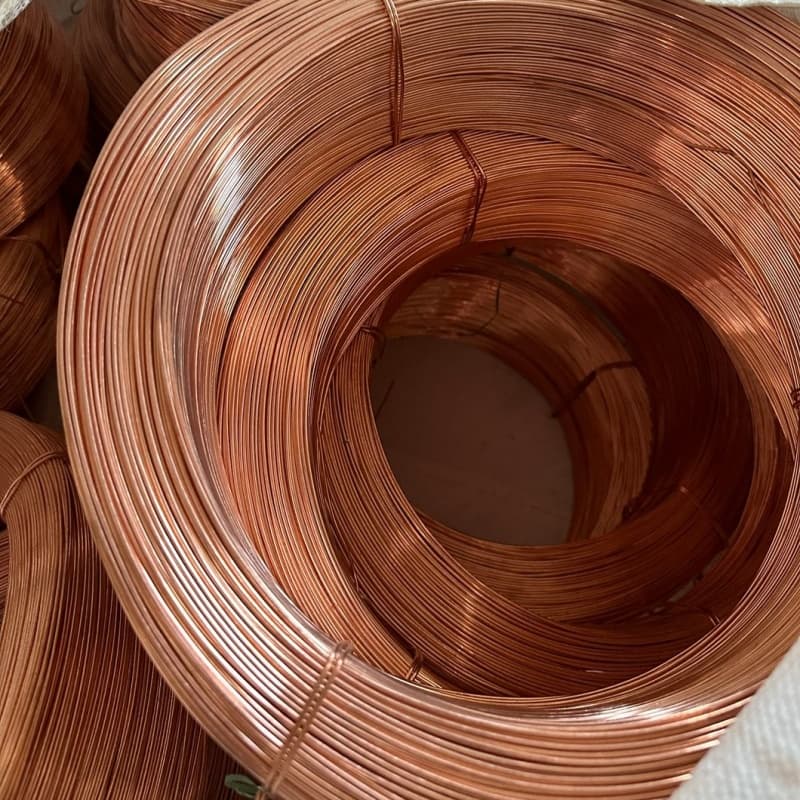
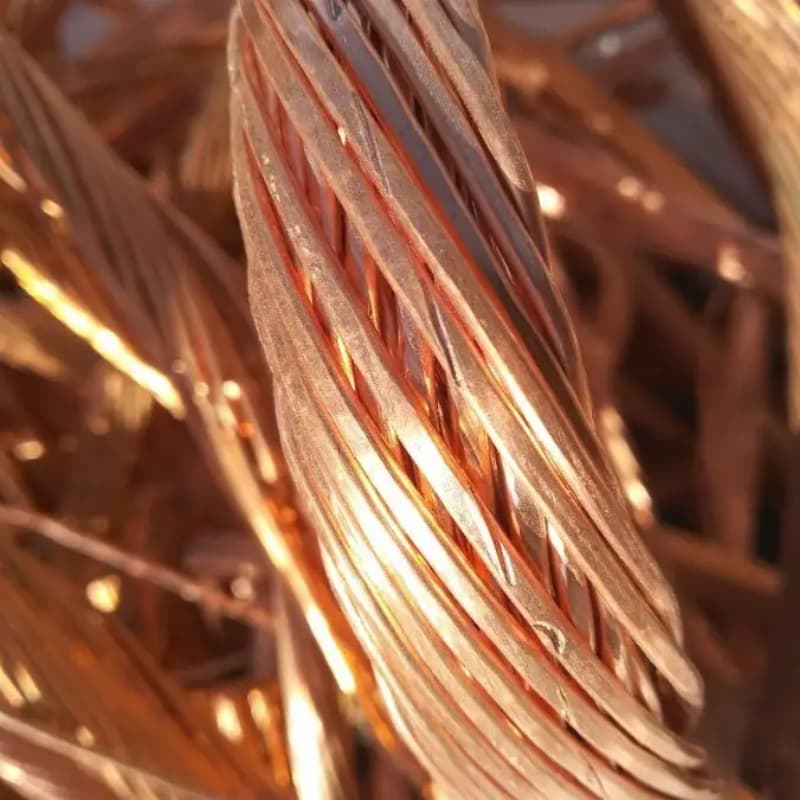
Grade A bare bright purple copper wire scrap, second-hand recovered, 99.99% Cu. Supplied as stranded bundles of about 10 cm diameter with 3 mm single wires.
Grade A bare bright copper wire scrap — second-hand purple copper recovered from decommissioned cable, supplied as stranded bundles of roughly 10 cm diameter made up of 3 mm single wires. Classified under HS code 74040000.
Technical Specifications
Product Overview
This is Grade A bare bright copper wire scrap: bare, uncoated, unalloyed purple copper recovered from second-hand cable and overhead conductor. The wire arrives stranded — bundles of roughly 10 cm diameter twisted from 3 mm single wires — and remelts as essentially pure copper without the slag and fume that lower grades generate. We supply it at a consistent 99.99% Cu.
For a smelter or a rod mill the number that decides the melt is not the headline purity but what else is in the lot. Tin from solder, lacquer from enamelled wire and zinc from brass fittings all move the analysis, and one contaminated bale can put an entire heat out of specification. Clean second-hand conductor that has been stripped rather than burned avoids all three. That is why the grade carries a premium, and why it is worth specifying how the material was recovered rather than only how pure it is said to be.
Typical Applications
Recovered copper wire scrap is feedstock rather than a finished product. It is charged into:
- Continuous cast copper rod and wire drawing lines
- Brass and bronze alloy melting
- Refined copper production and anode casting
- Electrical conductor manufacture
- Foundry and ingot-making feedstock
Grades, Purity and What to Specify
Copper scrap grading rests on two things: how clean the metal is, and how repeatable the analysis is. Bare bright is the top grade on both counts — no coating, no alloying element, no solder, no visible oxidation. The 99.99% figure describes copper content; the absence of coating and alloy is what makes that figure hold lot after lot, and it is what separates Grade A bright scrap from the lower grades a mixed load drifts toward.
When you request a quotation, the details that actually move the price are whether your feeding equipment takes whole stranded bundles or wants the wire chopped, whether light surface oxidation is acceptable to your melt, the packing form your unloading equipment handles, and whether you want the composition certified by an agency you nominate. All four are settled before the container is sealed, not after.
Packaging and Loading
Wire scrap is supplied as whole stranded bundles, strapped or baled to suit the way you unload and charge the furnace. Packing form drives the loaded weight per container, so it is fixed at quotation stage and stated on the packing list rather than assumed.
Quality, Inspection and Documentation
Every lot ships with a certificate of analysis stating the full chemical composition, produced under an ISO 9001:2015 quality management system. That is more than the headline purity figure: it is the residual elements that decide whether two lots at the same stated purity behave the same way in your process.
You can nominate an independent inspection agency — SGS and BV are the two we handle most often — for pre-shipment sampling, weight verification and container sealing. The report is issued to you rather than to us, and you are equally welcome to send your own representative.
Standard export documentation covers the commercial invoice, packing list, certificate of origin and bill of lading, alongside the chemical composition report. If your market requires an additional declaration, tell us at quotation stage rather than after the container is sealed. See the terms of service for how inspection and claims are handled.
Frequently Asked Questions
Is the material new or second-hand?
Second-hand. The scrap is recovered from decommissioned cable and overhead conductor, then graded as bare bright once the insulation is stripped rather than burned off. Second-hand recovery is the normal route to this grade; what matters commercially is that the metal arrives bare, uncoated and unalloyed.
Which wire diameters are available?
The single wires are 3 mm in diameter, and the scrap is supplied as stranded bundles of roughly 10 cm. If your process needs a different range, tell us at enquiry stage and availability will be confirmed against the current lot.
How is the purity verified before shipment?
Release is governed by an ISO 9001:2015 quality management system and each lot is accompanied by a chemical composition report. You may also nominate an independent inspection agency — SGS and BV are the two handled most often — for pre-shipment sampling, weight verification and container sealing.
Technical Guides for This Product
Copper
Copper Scrap Grades Explained: Millberry, Bare Bright, No. 1 and No. 2
Most disagreements between a scrap seller and a buyer come down to one question: which grade is this lot? The names are standard across the trade, but where the boundary sits between them is not. Here is what each grade describes, and what decides which one a lot is assigned.
5 min readSourcing
The Document Set Behind a Metal Shipment, and What Each One Proves
A metal shipment is traded twice: once on the specification, and once on the paperwork. The second trade is the one that decides whether the container clears, and it is the one buyers see least of until something turns out to be missing.
6 min readRelated Products