High-Purity Aluminum Wire Scrap (99.7%)
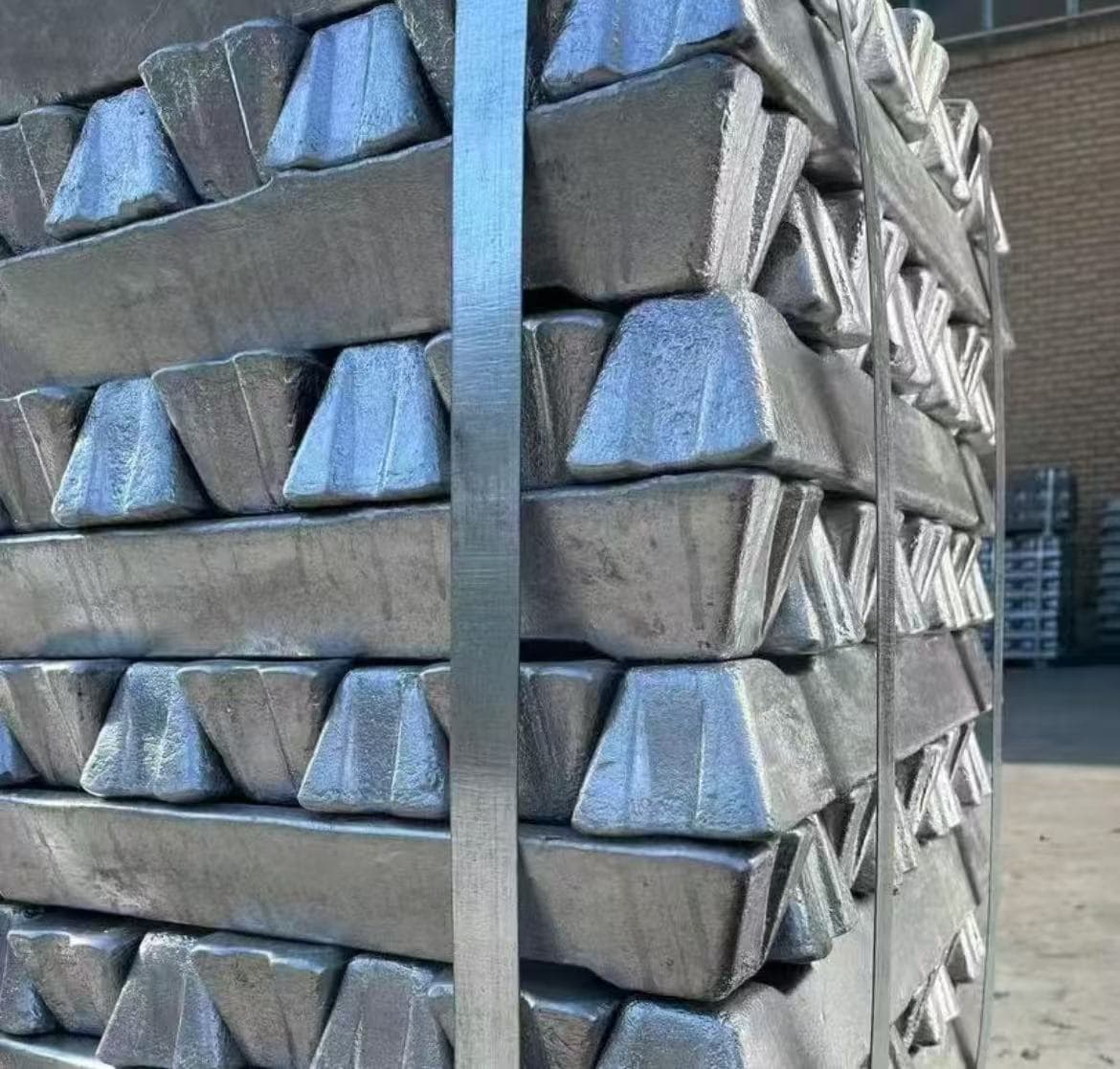
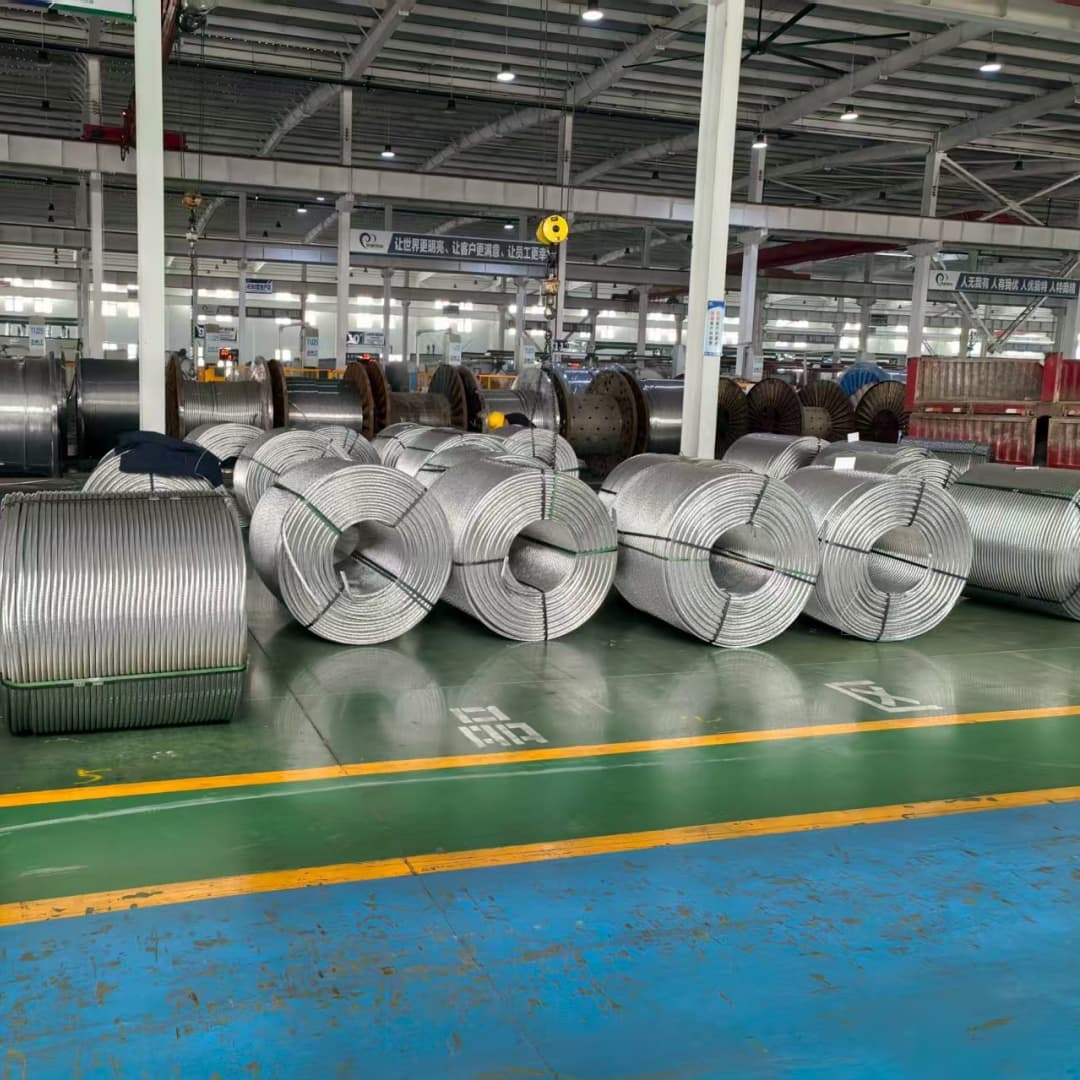
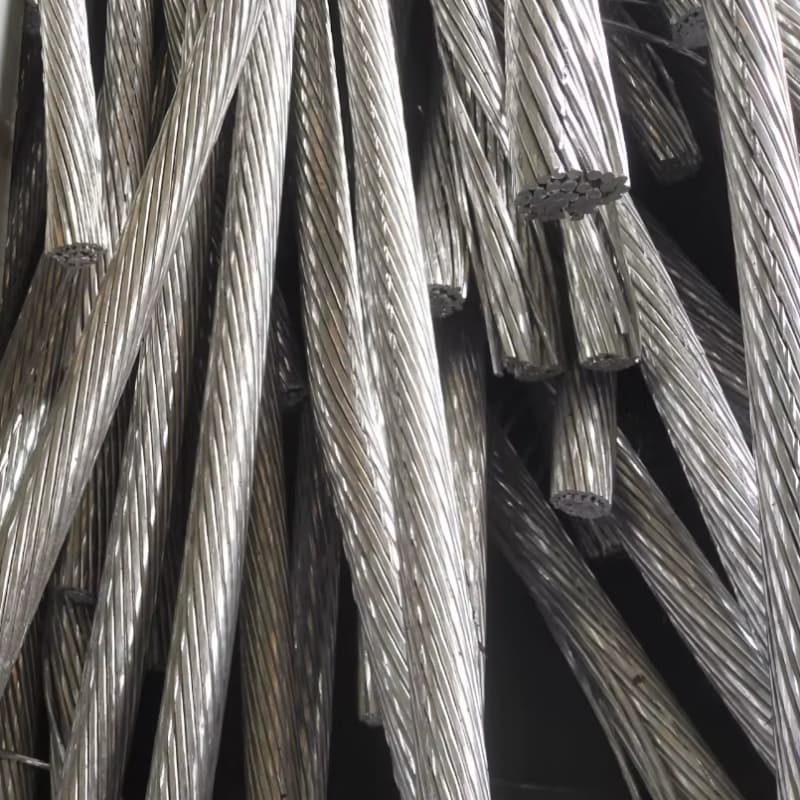
Aluminum wire scrap at 99.7% minimum purity from industrial recovery. High recovery rate for recycling in automotive, electronics, and transportation sectors. Clean, baled, and ready for shipment.
Aluminium wire scrap at 99.7% minimum purity, baled and shipment-ready, with a melting point of 660.37 C and a density of 2.702 g/cm3.
Technical Specifications
Product Overview
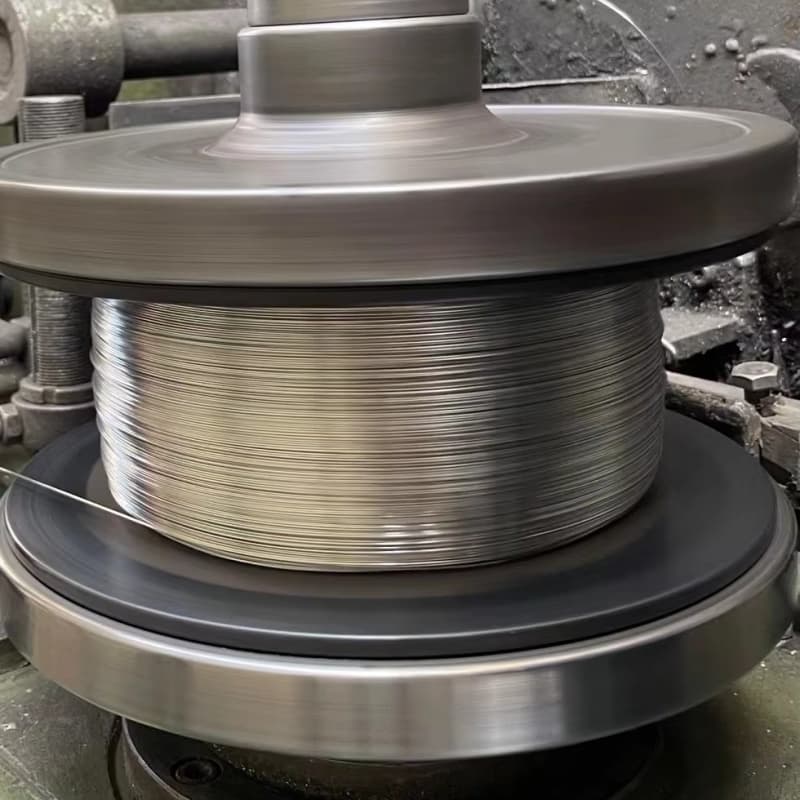
Aluminium wire scrap is recovered conductor and wire from industrial sources, cleaned and baled for remelting. It melts at 660.37 C with a density of 2.702 g/cm3, both well below copper, which is why aluminium scrap is often chosen for secondary smelting where furnace energy per tonne of recovered metal is the deciding cost.
The recovery rate of a bale depends on what else is in it. Paint, paper wrap, steel core wire and insulation all report to the dross rather than the melt, and a buyer paying for gross weight is paying for that fraction too. Clean, sorted and baled material keeps the metal-to-dross ratio predictable, which is the property that makes a scrap lot easy to price.
Typical Applications
Recovered aluminium wire is remelted into secondary alloys and castings for:
- Automotive components and lightweight structural parts
- Electrical and electronic housings
- Transportation and packaging applications
- Secondary aluminium alloy production
- Deoxidation in steelmaking
Grades, Purity and What to Specify
The 99.7% minimum purity figure covers recovered wire from unalloyed conductor. Alloy wire, ACSR core steel and insulated cable all fall outside it, so a lot should be described by what it actually contains rather than by the purity figure alone.
Useful details to state in an enquiry: whether the wire is bare or insulated, whether steel core is present, the bale dimensions and weight your furnace or unloading equipment accepts, the tonnage, and the destination port. Each of these affects both the recovery rate and the freight, so they are settled at quotation stage.
Packaging and Loading
Material is cleaned, sorted and baled. Bale size and density determine how much loads per container, so they are agreed with the quotation and stated on the packing list rather than assumed from a standard figure.
Quality, Inspection and Documentation
Every lot ships with a certificate of analysis stating the full chemical composition, produced under an ISO 9001:2015 quality management system. That is more than the headline purity figure: it is the residual elements that decide whether two lots at the same stated purity behave the same way in your process.
You can nominate an independent inspection agency — SGS and BV are the two we handle most often — for pre-shipment sampling, weight verification and container sealing. The report is issued to you rather than to us, and you are equally welcome to send your own representative.
Standard export documentation covers the commercial invoice, packing list, certificate of origin and bill of lading, alongside the chemical composition report. If your market requires an additional declaration, tell us at quotation stage rather than after the container is sealed. See the terms of service for how inspection and claims are handled.
Frequently Asked Questions
Is baling necessary for aluminium wire scrap?
Baling raises density, which lowers freight cost per tonne and makes furnace charging consistent. It also gives the buyer a defined weight per unit instead of a loose pile, which simplifies weighing and inspection.
What affects the recovery rate of aluminium wire scrap?
Paint, paper wrap, insulation and steel core wire all report to the dross rather than the recovered metal. Clean, sorted material keeps the metal-to-dross ratio predictable and therefore easier to price.
Can you supply to a specified purity band?
The standard grade is 99.7% minimum. If your process needs a tighter or certified range, state it at enquiry stage and availability will be confirmed against the current lot.
Technical Guides for This Product
Aluminum
Aluminum Ingot Grades Explained: What A7, A8 and A9 Mean
A7, A8 and A9 are three grades of primary aluminium ingot distinguished by how much aluminium they contain and how much iron and silicon they carry. The difference on paper is small. In a furnace it is not. Here is what separates the three, and how to decide which one a job actually needs.
5 min readQuality
How Metal Purity Is Verified Before a Shipment Leaves
A purity figure on a quotation is a claim. What a buyer actually needs to know is how that claim will be tested, by whom, and what happens if the result differs. All three are answerable before the order is placed — and answering them is what makes the analysis worth anything.
5 min readRelated Products