Copper Scrap Grades Explained: Millberry, Bare Bright, No. 1 and No. 2
Most disagreements between a scrap seller and a buyer come down to one question: which grade is this lot? The names are standard across the trade, but where the boundary sits between them is not. Here is what each grade describes, and what decides which one a lot is assigned.
Where the grade names come from
Copper scrap grading is a trade convention, not a laboratory standard. No international body certifies a bale of wire as Millberry. What exists instead is a set of descriptions that buyers, sellers and inspection agencies have converged on over decades, refined in the scrap specifications that most contracts reference by name.
Because the definitions travel with the contract rather than with the material, the practical question is never what the grade is called, but what this contract says the grade is. A lot can be described as Millberry in one quotation and rejected as No. 1 in another without either party being dishonest. The specification governs, and inspection is what settles the difference.
Two properties do most of the work in every definition: how much copper the material contains, and whether it is bare metal or still carries insulation, solder, paint or attachments.
Bare bright and Millberry
Bare bright copper is clean, uncoated, unalloyed copper wire — no insulation, no solder, no paint, no tinning, no corrosion. It is the highest-value form of copper scrap because it needs nothing done to it before it goes back into a furnace.
Millberry is the name normally used in wire scrap specifications, and it is usually written as bare bright copper wire with a stated minimum copper content and, frequently, a minimum wire diameter. The two names overlap in practice, which is precisely why the contract wording matters: if the specification says Millberry at 99.9% minimum with a wire diameter of 1.5 mm and above, then wire below that diameter is a different lot no matter how clean it is.
- Bare bright: clean, uncoated, unalloyed copper wire. No insulation, solder, paint or tinning.
- Typical specification: 99.9% copper minimum, wire diameter commonly stated at 1.5 mm and above.
- Wire below the stated diameter, or wire carrying tinning or solder, falls to a lower grade.
No. 1 copper
No. 1 copper is clean copper that is not wire, or wire that does not meet the bare bright description. Busbar, tube, clippings, punchings, commutator segments — clean, unalloyed, uncoated copper, with a minimum copper content usually specified around 99%.
The distinction from bare bright is therefore form and presentation rather than purity alone. A length of clean copper busbar can be chemically identical to bare bright wire and still be graded as No. 1, because the grade describes the material as it is presented.
What disqualifies a load from No. 1: visible corrosion, paint or coating; attachments such as brass fittings or steel bolts; and any alloying. Small quantities of these do not disappear into the analysis — they change the grade.
No. 2 copper
No. 2 copper is copper carrying visible oxidation, solder, paint or attachments: wire with some tinning, pipe with fittings still on it, material that will need sorting or processing before it can be melted. Minimum copper content is commonly specified in the mid-nineties as a percentage.
No. 2 covers a wide variety of forms, so it is the grade where the gap between a good lot and a poor one is largest. The range of material that can legitimately be described as No. 2 is wider than the range between bare bright and No. 1 put together.
That breadth is why a No. 2 quotation without an analysis or an agreed sampling procedure is the one most likely to produce a dispute at the receiving end.
How the grade changes the price you are quoted
Grades are priced as a discount to a reference price for refined copper, not as a fixed figure per tonne. The cleaner the grade, the narrower the discount; the more processing the material needs, the wider it becomes. Two lots that look similar in a photograph can therefore be quoted differently, because the quotation reflects what it costs to get from the delivered material to a usable melt.
Three things move the discount for a given grade: the assay, the form the material arrives in (loose wire, bales, bundles) and how consistently the supplier can repeat the same specification. A buyer who receives the same grade at the same analysis every month will pay more for it than for a cheaper grade that arrives different each time, because the cost of uncertainty is real and somebody has to carry it.
This is also why an inspection clause belongs in the contract from the start. The grade name is a starting point; the assay result on the delivered lot is the figure the invoice settles on.
Frequently Asked Questions
What is the difference between Millberry and bare bright copper?
In practice they describe the same material — clean, uncoated, unalloyed copper wire — and the two names are often used interchangeably. Millberry is the term normally used in a scrap specification, where it is tied to a stated minimum copper content and often a minimum wire diameter. Bare bright describes the same wire by appearance. Because the names overlap, the delivered lot is judged against the contract specification, not against the name.
What copper content does No. 1 copper have?
No. 1 copper is normally specified at around 99% copper minimum, against roughly 99.9% for bare bright or Millberry. The lower figure reflects that No. 1 is defined broadly — it covers clean unalloyed copper in forms other than wire, such as busbar, tube and clippings — and the specification allows for the small proportion that is not copper.
Can tinned wire still be sold as copper scrap?
Yes, but not as bare bright or as No. 1 under most specifications. Tinning is a coating, so tinned wire generally falls into No. 2 or into a separate tinned-wire grade. The value difference is genuine: the tin has to be dealt with in the furnace, and the grade reflects that cost.
Products Referred to in This Guide
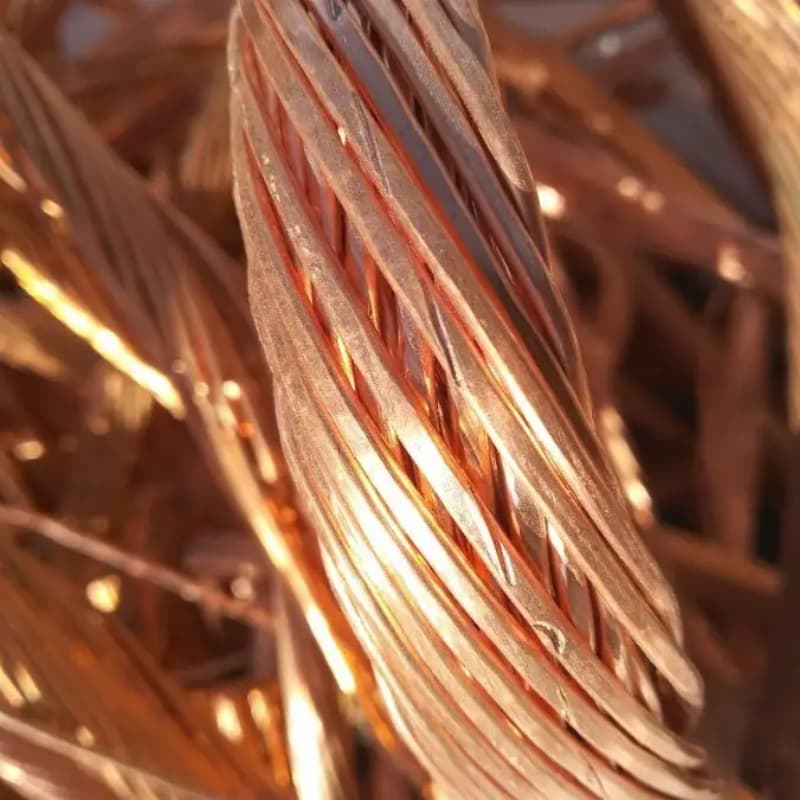
Top-Quality Copper Wire Scrap (99.99%)
Grade A bare bright purple copper wire scrap, second-hand recovered, 99.99% Cu. Supplied as stranded bundles of about 10 cm diameter with 3 mm single wires.
Get Details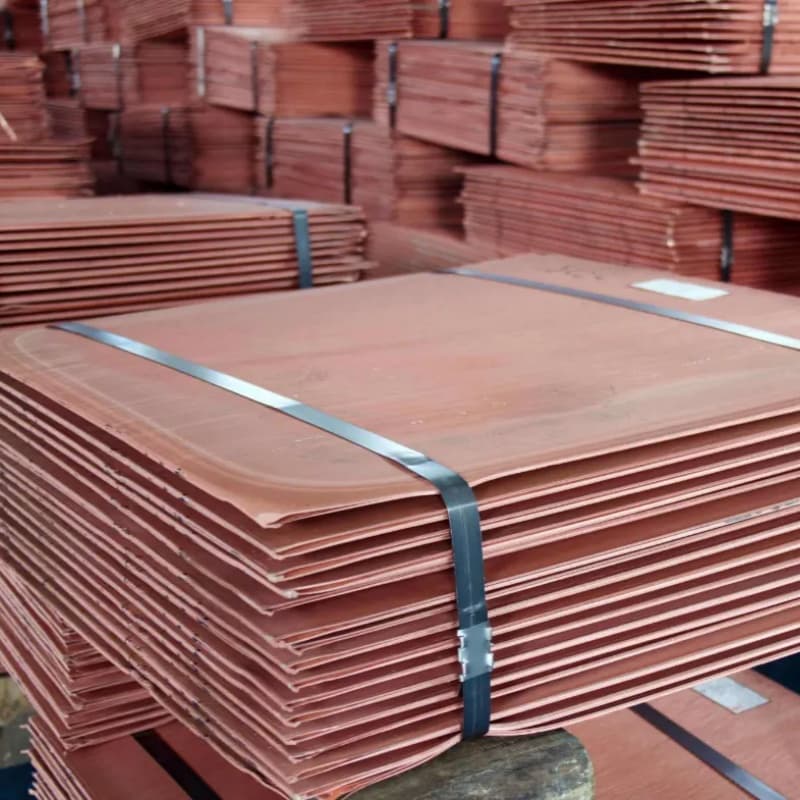
99.99% Electrolytic Copper Cathode
Premium quality electrolytic copper cathode with 99.99% purity. High conductivity cathode sheet used extensively in electrical industries and alloy production.
Get Details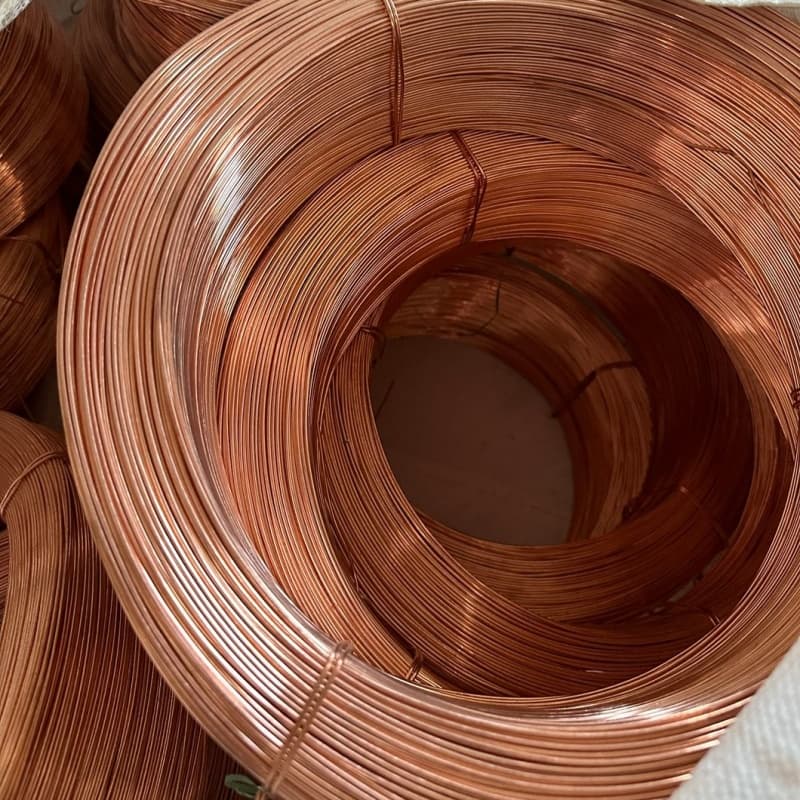
Pure 99.99% Copper Rod & Bar
High-conductivity pure copper rod for power transmission and electrical grounding. Bright surface finish with low oxygen content.
Get DetailsMore Guides
Sourcing
How Non-Ferrous Metal Prices Are Set: LME, Premiums and Discounts
Read the guideLogistics
How Many Tonnes of Metal Fit in a 20ft Container, and Where the Difference Goes
Read the guideCopper
Copper Cathode Grade A: What LME Registration and ASTM B115 Actually Require
Read the guideHave a specification to price?
Send us the grade, the tonnage and the destination port. You will get a landed-cost figure rather than a unit price, and you can nominate the inspection agency that releases the lot.