Lead, Zinc, Tin, Magnesium & Bismuth Ingot Supplier
Five dense, high-value metals that behave nothing alike. Lead, zinc, tin, magnesium and bismuth each carry their own purity convention, their own regulatory exposure and their own handling requirements, so we keep the grades and the documents explicit rather than bundling them under one generic quotation.
Heavy Metals Products
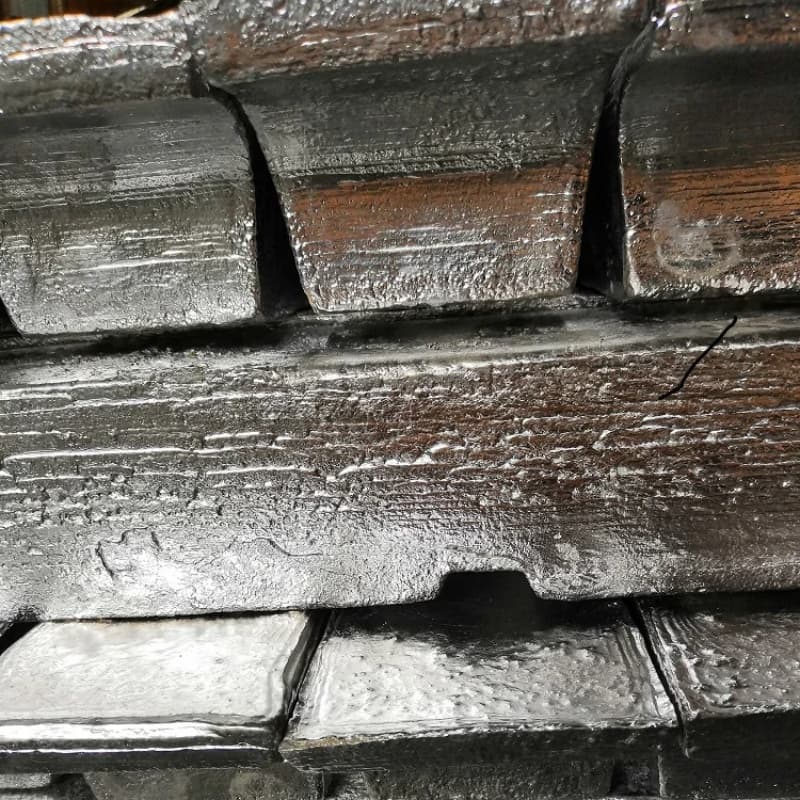
High-Purity 99.994% Lead Ingot
Standard high-purity lead ingot for battery production, radiation shielding, and industrial alloys. High density and reliable quality with competitive pricing.
Get Details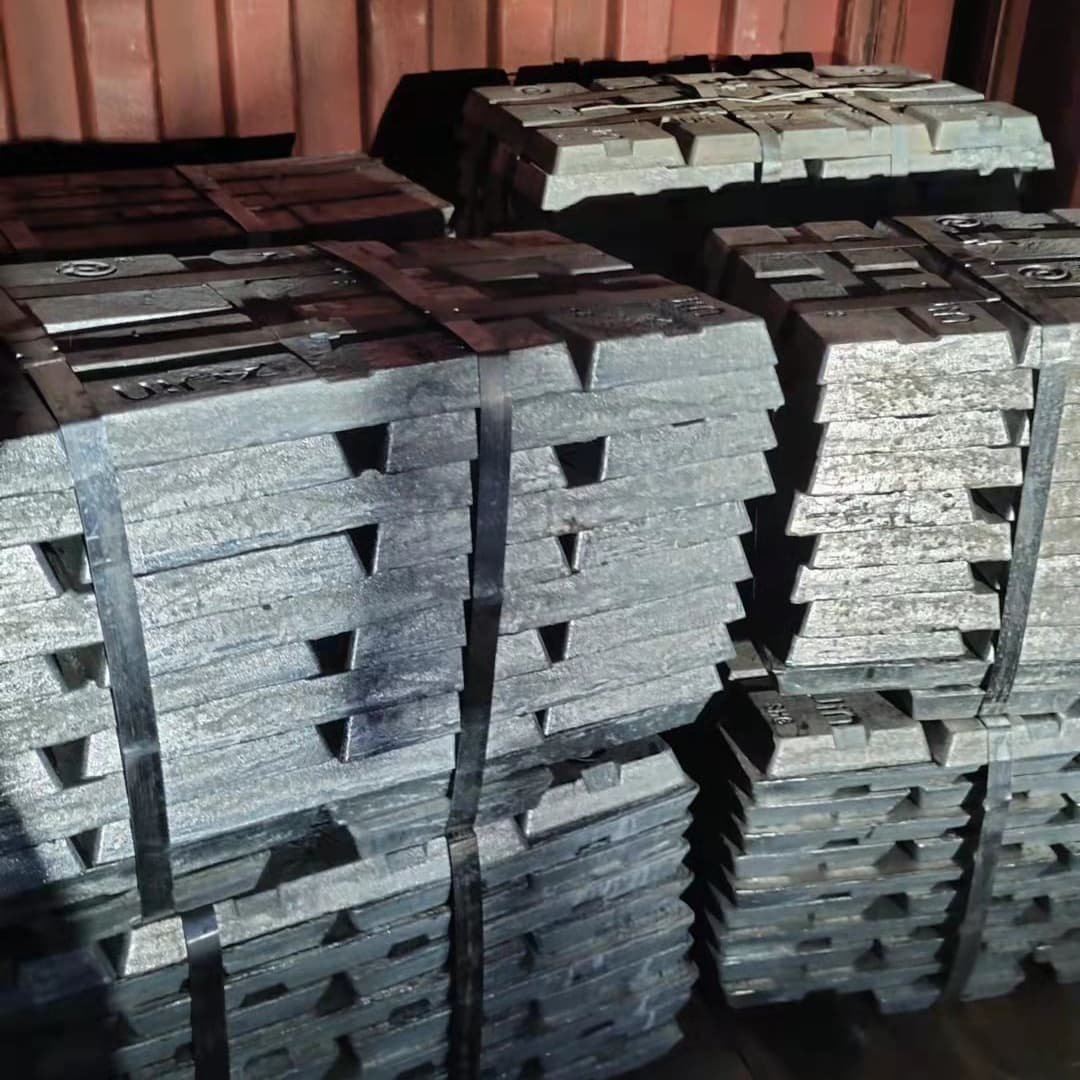
99.995% Pure Zinc Ingot (SHG)
Special High Grade (SHG) zinc ingots for galvanizing, die-casting, and chemical industries. Reliable industrial supply with high purity and consistent quality.
Get Details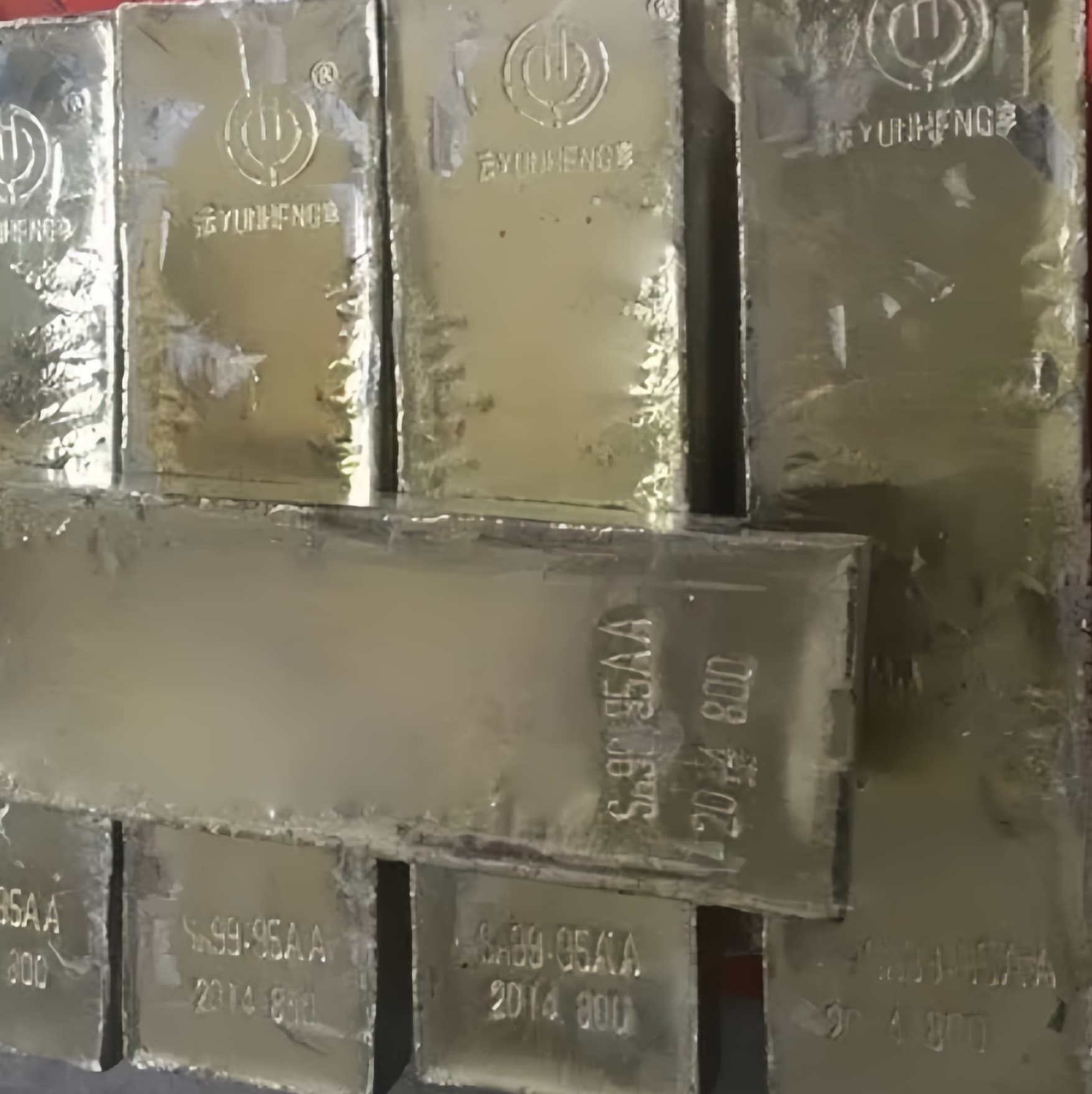
Sn 99.90% High Purity Tin Ingot
Reliable tin ingots for electronics soldering, food packaging, and alloy manufacturing. Excellent malleability and high purity (99.90% min).
Get Details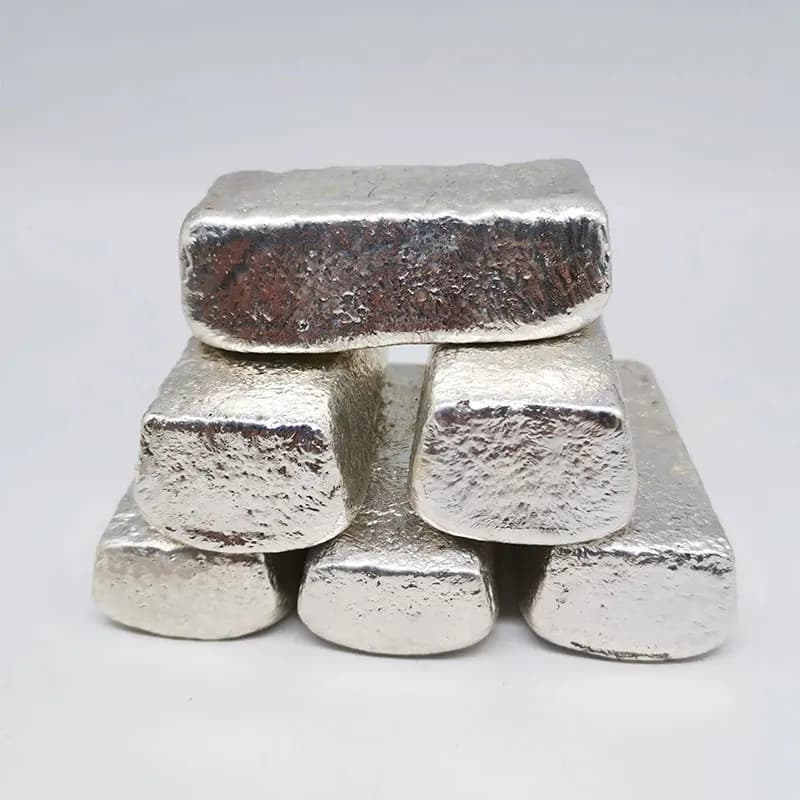
99.99% Magnesium Ingot Block
Lightweight and high-purity magnesium ingots (99.99% min). Essential for aerospace, automotive lightweighting alloys, and diverse chemical applications.
Get Details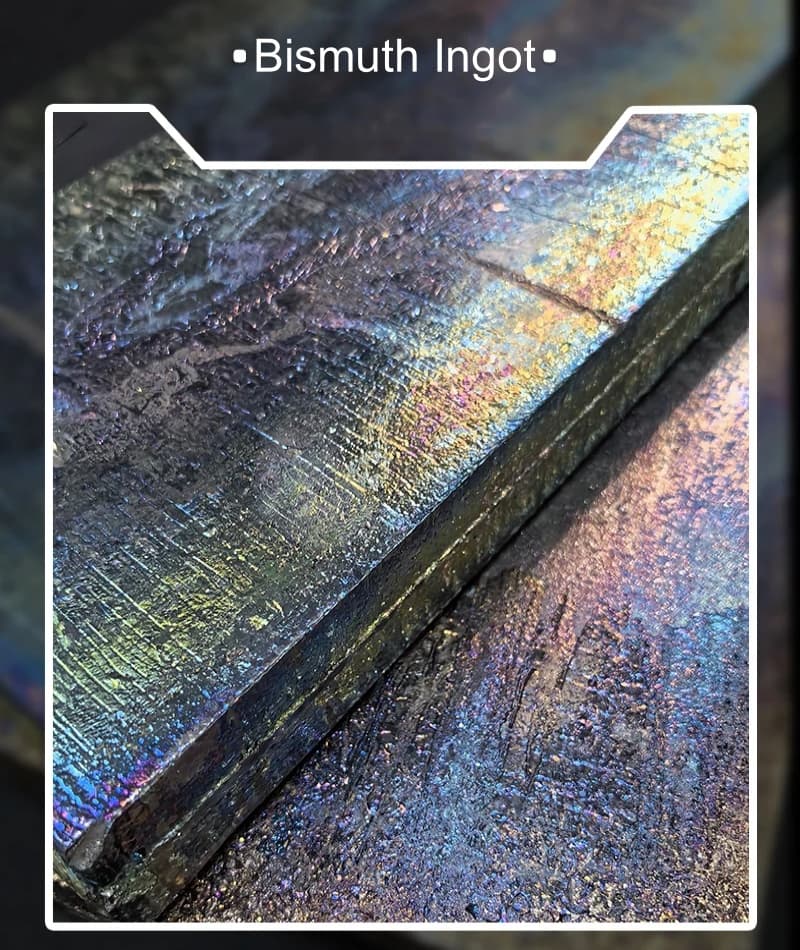
High-Purity 99.99% Bismuth Ingot
Premium 99.99% purity bismuth ingots. Widely used in fusible alloys, metallurgical additives, pharmaceuticals, and non-toxic replacement for lead in various industrial applications.
Get DetailsHeavy Metal Products We Supply
- Lead ingot — 99.994% min, 25 kg ingot measuring 645 x 128 x 90 mm, for battery plates, radiation shielding and alloys.
- Zinc ingot — special high grade (SHG), 99.995% min, for galvanizing, die-casting and chemical production.
- Tin ingot — Sn 99.90% min, for electronics soldering, food-contact packaging and alloy manufacture.
- Magnesium ingot — 99.99% min, supplied as 7.5 kg or 15 kg blocks, for aerospace, automotive lightweighting and chemical use.
- Bismuth ingot — 99.99% min, for fusible alloys, metallurgical additives and lead-free substitution work.
Purity Conventions You Should Know
Each of these metals trades against a different convention, and mixing them up is a common and expensive mistake. Lead is normally specified to three or four decimal places, and 99.994% is the standard refined battery grade. Zinc is specified by grade name instead: SHG, meaning Special High Grade, sets a 99.995% minimum and is what galvanizers and die-casters ask for by name. Tin is traded at 99.90% min under the Sn 99.90 designation.
Magnesium and bismuth are usually specified at 99.99%. For bismuth the purity figure matters more than it appears to, because the metal is increasingly bought as a non-toxic substitute for lead — and that substitution argument only holds if the impurity profile is actually documented. We supply the assay, not only the headline number.
Where These Metals Go
- Lead-acid battery plates, grids and terminals
- Radiation shielding for medical and industrial applications
- Hot-dip galvanizing and zinc die-casting
- Electronics soldering and solder alloy manufacture
- Tinplate and food-contact packaging
- Aerospace and automotive lightweighting alloys
- Fusible alloys, fire-sprinkler triggers and low-melt solders
- Metallurgical additives and free-machining steel
- Lead-free substitution projects
Compliance, Inspection and Documentation
Several of these metals are regulated at the point of import, so the quality of the documentation decides whether your container clears without a delay. We issue a certificate of analysis per lot under an ISO 9001:2015 quality management system, and we support buyer-nominated SGS or BV pre-shipment inspection covering sampling, weight verification and container sealing.
Tell us the destination country at quotation stage. Where a material needs a specific declaration, a safety data sheet or a packaging statement for your market, we would rather prepare it up front than resolve it at the port.
Packaging, Shipment and Order Terms
Lead, zinc and tin ship as strapped ingots in bundle weights your yard can handle. Magnesium is classified as a flammable solid for ocean freight, so packaging and documentation have to be agreed before booking rather than after. Bismuth ships as small ingots, normally palletised.
All quotations are FOB or CIF from Chinese ports. Lead and tin in particular move with the London Metal Exchange, so quotes carry a validity window — confirm pricing on the day you are ready to commit rather than working from an older figure.
Frequently Asked Questions
What does SHG mean for zinc ingot?
SHG stands for Special High Grade and is the standard designation for refined zinc with a minimum purity of 99.995%. It is the grade galvanizers and die-casters specify by name, because the residual lead and cadmium levels are low enough not to interfere with the coating or casting process. Lower grades such as Prime Western are cheaper but behave differently in the kettle.
How is lead ingot purity normally specified?
To three or four decimal places, which is unusual in metals trading but standard for lead. A figure of 99.994% is the common refined battery grade. The extra decimal places exist because the remaining fraction is bismuth, copper, antimony and silver, and those residuals affect how the lead performs in grid casting and in radiation shielding.
Is magnesium ingot difficult to ship?
Magnesium is classified as a flammable solid for ocean freight, so it does carry packaging and documentation requirements that lead, zinc or tin do not. That is a normal part of exporting the material rather than a barrier, but the receiving requirements should be agreed before the booking is made instead of after.
Do you supply bismuth as a lead-free alternative?
Yes. Bismuth ingot at 99.99% min is supplied for fusible alloys, metallurgical additives and lead-free substitution projects. If the substitution is being made for a regulatory reason, tell us the market and the restriction involved and we will supply the impurity documentation that supports the claim.
Guides for heavy metals buyers
These pages explain the specification questions behind this category — how the grades differ, how purity is verified, and how a delivered price is built up. Read them before you send an enquiry, or forward them to whoever signs off the specification.
Heavy Metals
Lead and Zinc Ingot Purity Grades, and What the Extra Decimals Change
Refined lead is traded from about 99.97% upward, with 99.99% and 99.994% as the higher grades, while zinc is commonly supplied at 99.995% and called SHG. The differences look like rounding. In corrosion resistance, alloying and acceptance testing they are not.
Read the guideSourcing
Buying Minor Metals: What Changes Once You Move Off Copper and Aluminium
A buyer who moves from copper cathode or aluminium ingot to tin, nickel or indium finds that almost none of the purchasing habits carry over. The unit of trade shrinks from the container to the pallet, the price reference changes, the packaging inverts, and the purity figure on its own stops being a sufficient specification.
Read the guideQuality
How Metal Purity Is Verified Before a Shipment Leaves
A purity figure on a quotation is a claim. What a buyer actually needs to know is how that claim will be tested, by whom, and what happens if the result differs. All three are answerable before the order is placed — and answering them is what makes the analysis worth anything.
Read the guideLogistics
How Many Tonnes of Metal Fit in a 20ft Container, and Where the Difference Goes
Every metal enquiry runs into the same question sooner or later: how much of this actually goes in one box. The figure stamped on the container door is a ceiling rather than a plan, and for dense cargo the real limit is usually set somewhere else entirely.
Read the guideOther Metal Categories
Copper
Ruichuang Metal supplies the three forms of copper buyers ask for most often: Grade A bare bright copper wire scrap, electrolytic copper cathode, and oxygen-free copper rod and bar.
View categoryAluminum
Aluminum is the lightest metal in our catalogue and the one where grade confusion costs buyers the most.
View categorySpecialty Metals
Four metals bought by specification rather than by the tonne.
View categoryNeed a quotation for heavy metals?
Send us the grade, the tonnage and the destination port. You will get a landed-cost figure, not just a unit price, and you can nominate the inspection agency that releases the lot.