High Purity Aluminum Ingot (A7, A8, A9)
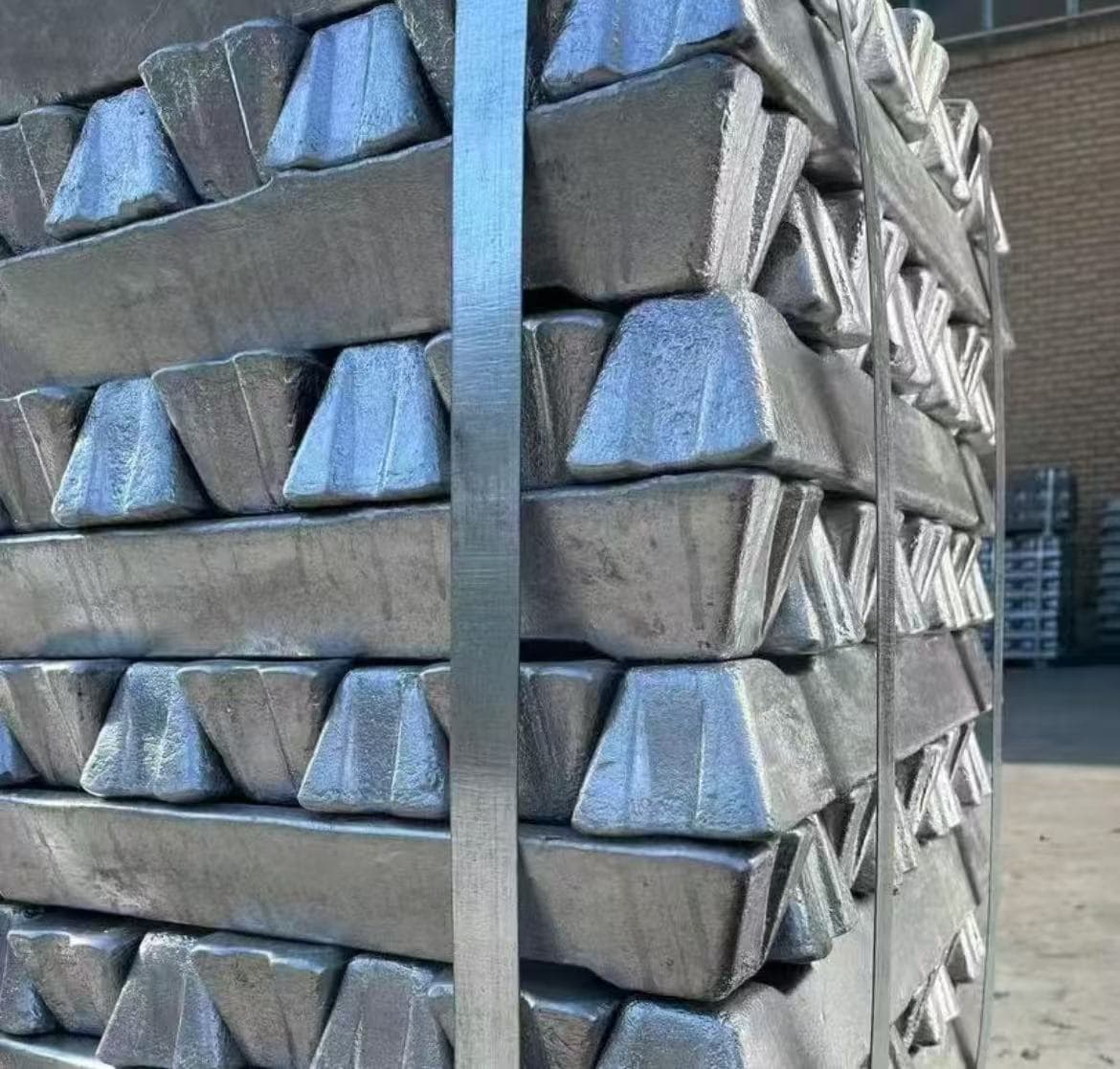
Professional grade aluminum ingots for remelting, produced via molten salt electrolysis. Available in A7 (99.7% min), A8 (99.8% min), and A9 (99.9% min) purity levels. Meets GB/T1196-2002 national standards. The surface of the ingot is clean and smooth.
Remelting aluminium ingots in A7 (99.7% min), A8 (99.8% min) and A9 (99.9% min) grades, produced by molten salt electrolysis to GB/T1196-2002 at 25 kg per ingot.
Technical Specifications
Product Overview
These are refined primary aluminium cast into a standard 25 kg remelting block measuring 810 x 180 x 90 mm, with a clean and smooth silvery-white surface. The A-series grade is set by minimum aluminium content, running from A7 at 99.7% through A8 at 99.8% to A9 at 99.9%, and the whole range is produced to GB/T1196-2002.
Grade selection is usually a question of what the melt can tolerate rather than a preference for the highest number available. A7 is the workhorse for general casting and alloying. A8 and A9 are specified when residual iron and silicon start to matter — thin-gauge rolling, high-conductivity electrical work, and pressure die castings that need consistent flow. Buying a grade above what the process needs is simply added input cost, so it is worth matching the grade to the specification your finished part has to meet.
Typical Applications
Remelting ingots feed casting and alloying operations across several industries:
- Aluminium alloy production and master alloys
- Die casting and gravity casting foundries
- Rolling stock for sheet, strip and foil
- Electrical conductor and cable manufacture
- Deoxidation and steelmaking additions
Grades, Purity and What to Specify
The A-series grade number states minimum aluminium content, not a full chemistry. On the standard governing these ingots, the same grade number also carries limits on iron and silicon — the two elements that most affect castability and surface finish. Two ingots sold under the same letter grade from different sources can therefore behave differently if only the headline purity was matched.
For a quotation, give the grade, the tonnage, the destination port and any element limits your own customer has imposed on you. If you are working to a national or customer standard rather than the A-series, send the specification: it is checked against the lot rather than assumed to be equivalent.
Packaging and Loading
Ingots are stacked and strapped into bundles or loaded loose, depending on the handling equipment at your works. Weight per bundle and loaded weight per container are agreed with the quotation so the packing list reflects the actual shipment.
Quality, Inspection and Documentation
Every lot ships with a certificate of analysis stating the full chemical composition, produced under an ISO 9001:2015 quality management system. That is more than the headline purity figure: it is the residual elements that decide whether two lots at the same stated purity behave the same way in your process.
You can nominate an independent inspection agency — SGS and BV are the two we handle most often — for pre-shipment sampling, weight verification and container sealing. The report is issued to you rather than to us, and you are equally welcome to send your own representative.
Standard export documentation covers the commercial invoice, packing list, certificate of origin and bill of lading, alongside the chemical composition report. If your market requires an additional declaration, tell us at quotation stage rather than after the container is sealed. See the terms of service for how inspection and claims are handled.
Frequently Asked Questions
What is the difference between A7, A8 and A9 aluminium ingots?
The number states minimum aluminium content: A7 is 99.7%, A8 is 99.8% and A9 is 99.9%. Higher grades also carry tighter limits on the residual elements that affect casting behaviour and electrical conductivity.
What size and weight is each ingot?
Standard ingots are 25 kg each, measuring 810 x 180 x 90 mm, with a clean and smooth surface finish and a silvery-white appearance.
Which standard do these ingots meet?
They are produced to GB/T1196-2002, the national standard for remelting aluminium ingots, and the grade is stated on the specification sheet.
Technical Guides for This Product
Aluminum
Aluminum Ingot Grades Explained: What A7, A8 and A9 Mean
A7, A8 and A9 are three grades of primary aluminium ingot distinguished by how much aluminium they contain and how much iron and silicon they carry. The difference on paper is small. In a furnace it is not. Here is what separates the three, and how to decide which one a job actually needs.
5 min readLogistics
How Many Tonnes of Metal Fit in a 20ft Container, and Where the Difference Goes
Every metal enquiry runs into the same question sooner or later: how much of this actually goes in one box. The figure stamped on the container door is a ceiling rather than a plan, and for dense cargo the real limit is usually set somewhere else entirely.
6 min readRelated Products