Aluminum Stranded Wire (AAC / ACSR)
Bare aluminum stranded conductor for overhead transmission: AAC in 1070A pure aluminum (99.7% min) and ACSR with steel core for longer spans. 10-630 mm2, to GB/T 1179 and IEC 60228, supplied on seaworthy reels.
Bare aluminium stranded conductor for overhead transmission lines: AAC twisted from 1070A pure aluminium at 99.7% minimum, and ACSR with a steel core where span length and tensile strength demand it. Supplied from 10 to 630 mm2 to GB/T 1179 and IEC 60228.
Technical Specifications
Product Overview
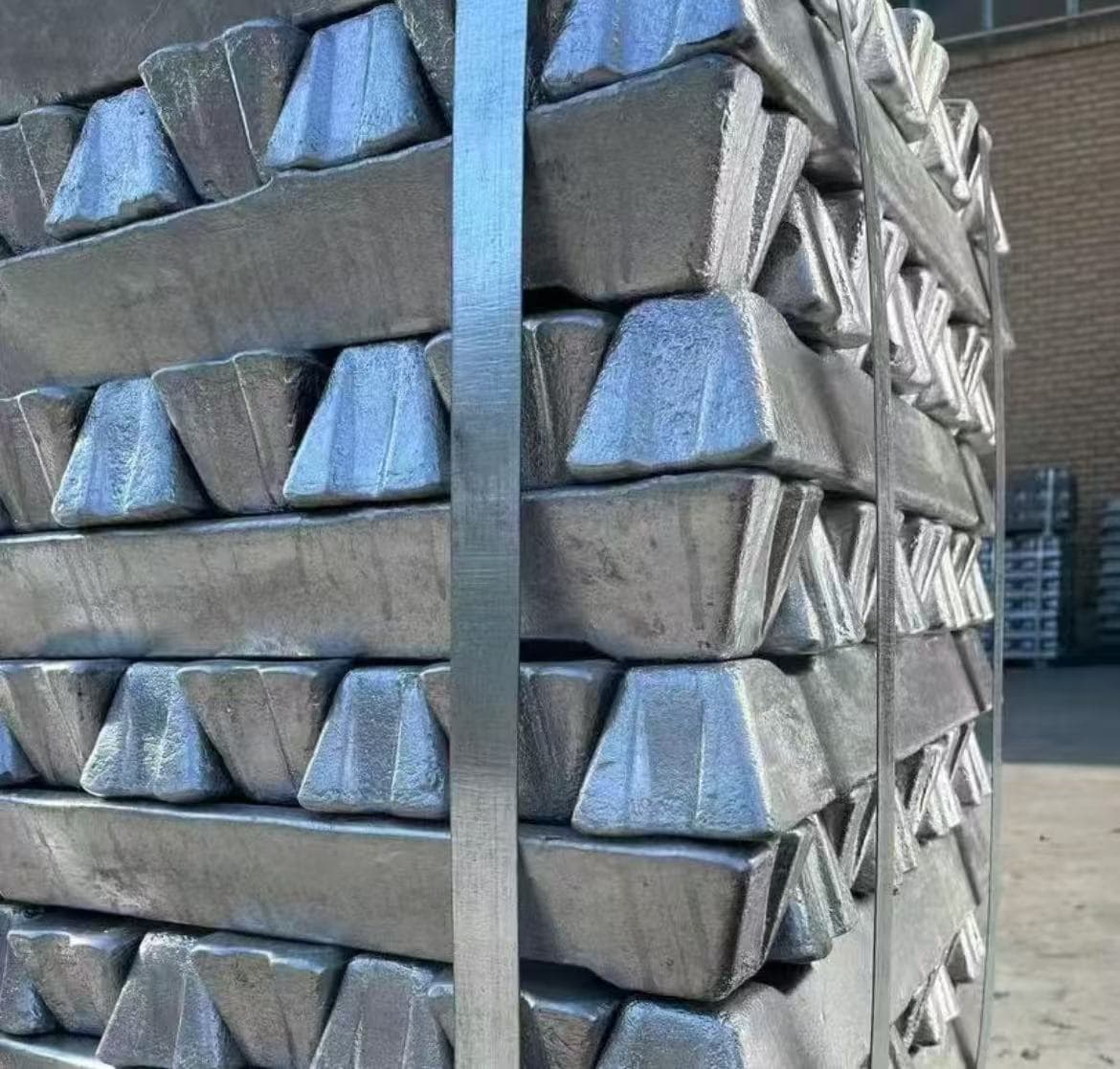
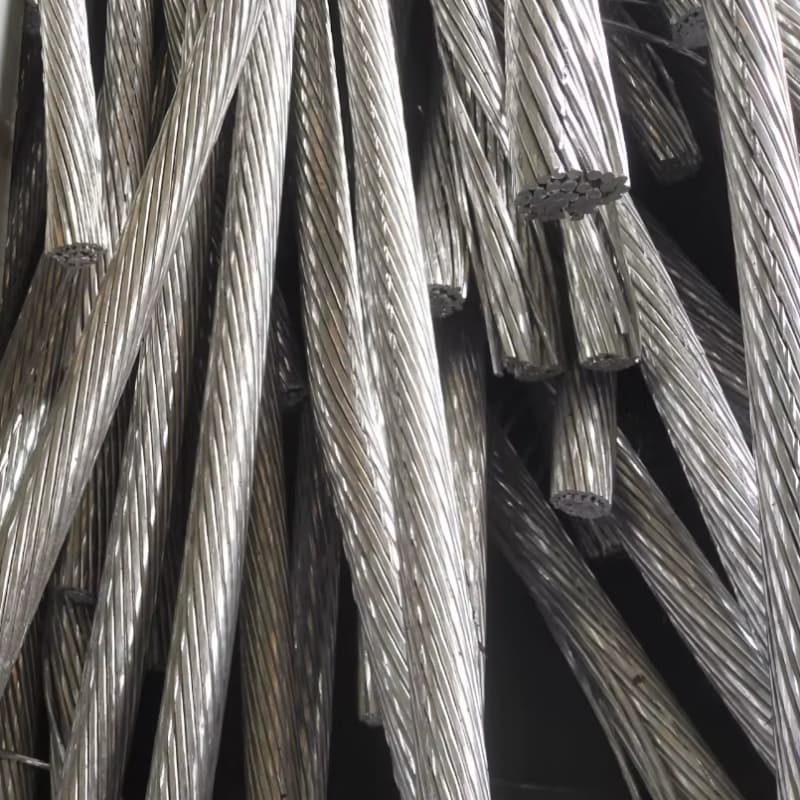
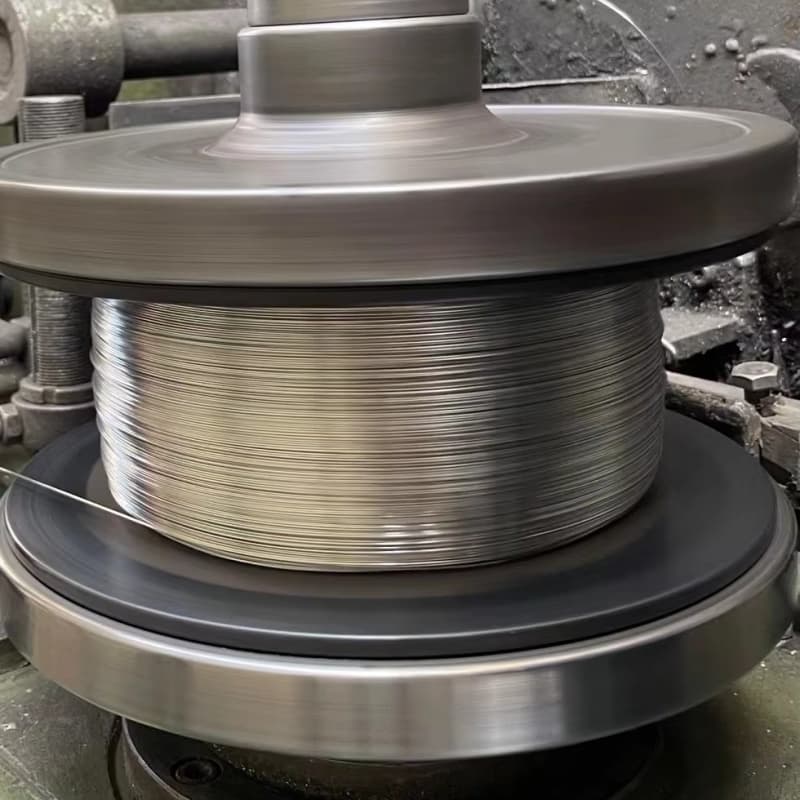
Stranded aluminium conductor is the standard bare conductor for overhead power lines: individual hard-drawn wires are twisted into layers around a central wire — or around a steel core, in the ACSR constructions — to combine conductivity with the flexibility and handling a solid conductor of the same section cannot offer. Hard-drawn (H) temper is the normal supply state for overhead work.
The reference construction quoted most often is AAC 300: 19 strands of 4.5 mm wire giving a 22.5 mm overall diameter and a mass of 810.9 kg per kilometre. The metal is 1070A pure aluminium at 99.7% minimum, with residual elements held to Fe 0.15% max, Si 0.05% max and Cu 0.01% max — the impurity balance matters for conductivity and for how predictably the conductor draws and strands.
Constructions and Range
The range covers the constructions overseas projects ask for most often:
- AAC (JL) — all-aluminium conductor, 1070A pure aluminium, 10-630 mm2, for short and medium spans
- ACSR (JL/G1A) — the standard steel-cored construction, 10-630 mm2, higher tensile strength for longer spans
- ACSR (JL/G2A) — high-strength steel core for large cross-sections and severe service conditions
- ACSR (JL/G3A) — extra-high-strength steel core, mainly large sections from 185 to 500 mm2
- JL/G1AF — corrosion-protected ACSR for coastal and polluted environments, 25-630 mm2
- JLHA1 / JLHA2 — heat-resistant aluminium alloy conductor, 16-630 mm2, for high-temperature lines
- Soft stranded aluminium (O temper, annealed) for cable cores to IEC 60228 Class 5 and VDE 0295 Class 5
Standards and What to Specify
Supply follows GB/T 1179, with IEC 60228 and DIN EN 1715 covering the conductor and cable-core constructions. State the cross-section and the construction first — an AAC section and an ACSR section of the same area are different products with different tensions, and the stringing design assumes one or the other.
Beyond the section, the details that price a conductor lot correctly are the span and tension your line design assumes, the annual temperature and pollution environment (which decides whether the corrosion-protected construction is worth specifying), the reel handling equipment at site, and the discharge port. If your project is tender-based, send the conductor schedule rather than a description and the quotation will follow it line by line.
Packaging and Loading
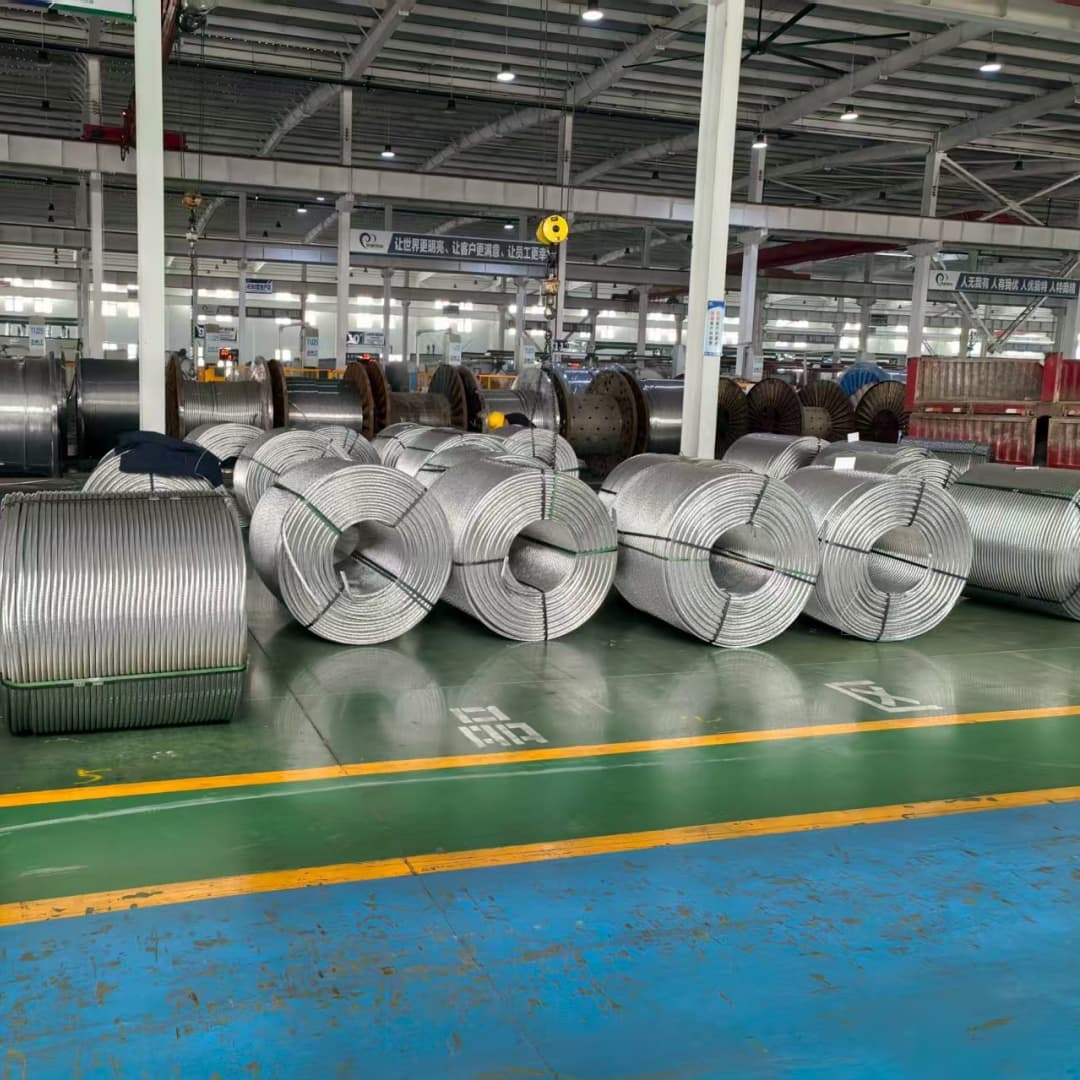
Conductor is wound on seaworthy reels — the reference AAC 300 reel measures 450 x 1100 x 930 mm and carries roughly 1200 to 1270 kg of conductor — and packed to the standard seaworthy export pattern for loading in 20ft containers. Reel size and drum packing are confirmed with the quotation so that site handling equipment matches the delivery.
Quality, Inspection and Documentation
Every lot ships with a certificate of analysis stating the full chemical composition, produced under an ISO 9001:2015 quality management system. That is more than the headline purity figure: it is the residual elements that decide whether two lots at the same stated purity behave the same way in your process.
You can nominate an independent inspection agency — SGS and BV are the two we handle most often — for pre-shipment sampling, weight verification and container sealing. The report is issued to you rather than to us, and you are equally welcome to send your own representative.
Standard export documentation covers the commercial invoice, packing list, certificate of origin and bill of lading, alongside the chemical composition report. If your market requires an additional declaration, tell us at quotation stage rather than after the container is sealed. See the terms of service for how inspection and claims are handled.
Frequently Asked Questions
What is the difference between AAC and ACSR conductor?
AAC (JL) is stranded entirely from aluminium: maximum conductivity per kilogram, used on short and medium spans where the support structure carries the tension. ACSR (JL/G1A, G2A, G3A) adds a galvanised steel core that takes the mechanical load, allowing longer spans and heavier conductors on the same towers. The choice is made by the line design, not by preference.
Which cross-sections and standards can you supply?
Standard sections run from 10 to 630 mm2 across the AAC and ACSR series, produced to GB/T 1179 with IEC 60228 and DIN EN 1715 applying to the conductor and cable-core constructions. Reference figures for AAC 300 — 19 strands of 4.5 mm, 22.5 mm overall, 810.9 kg/km — are typical of the documentation supplied with each lot.
How is the conductor packed and shipped?
On seaworthy reels of roughly 1200 to 1270 kg for the reference construction, packed to the standard export pattern and loaded in 20ft containers. Reel dimensions can be matched to your site handling equipment if stated at enquiry stage.
Technical Guides for This Product
Aluminum
AAC, AAAC or ACSR: What to Write in the Enquiry, Not Which One Is Best
The three overhead conductor families are easy to tell apart and hard to buy wrong — provided the enquiry says what the line design assumes. Most conductor quotations stall not because the buyer chose the wrong construction, but because the enquiry left out a number the supplier needs before a price can stand.
5 min readLogistics
How Many Tonnes of Metal Fit in a 20ft Container, and Where the Difference Goes
Every metal enquiry runs into the same question sooner or later: how much of this actually goes in one box. The figure stamped on the container door is a ceiling rather than a plan, and for dense cargo the real limit is usually set somewhere else entirely.
6 min readRelated Products