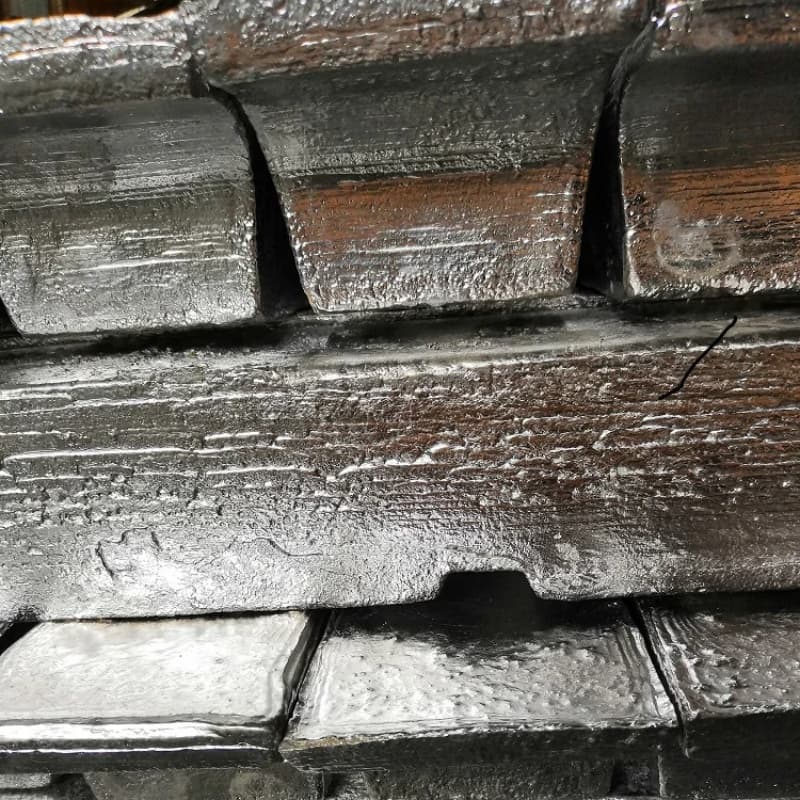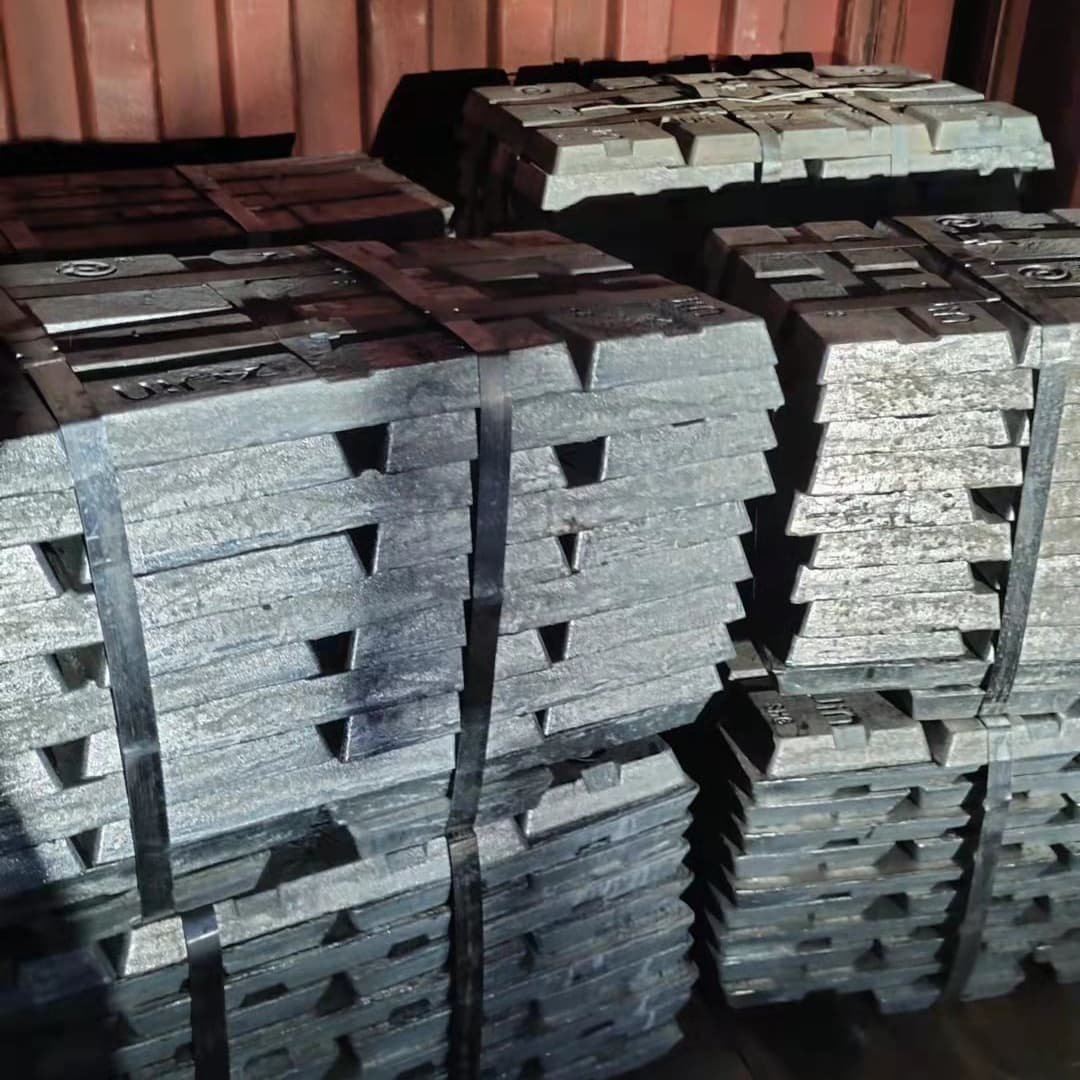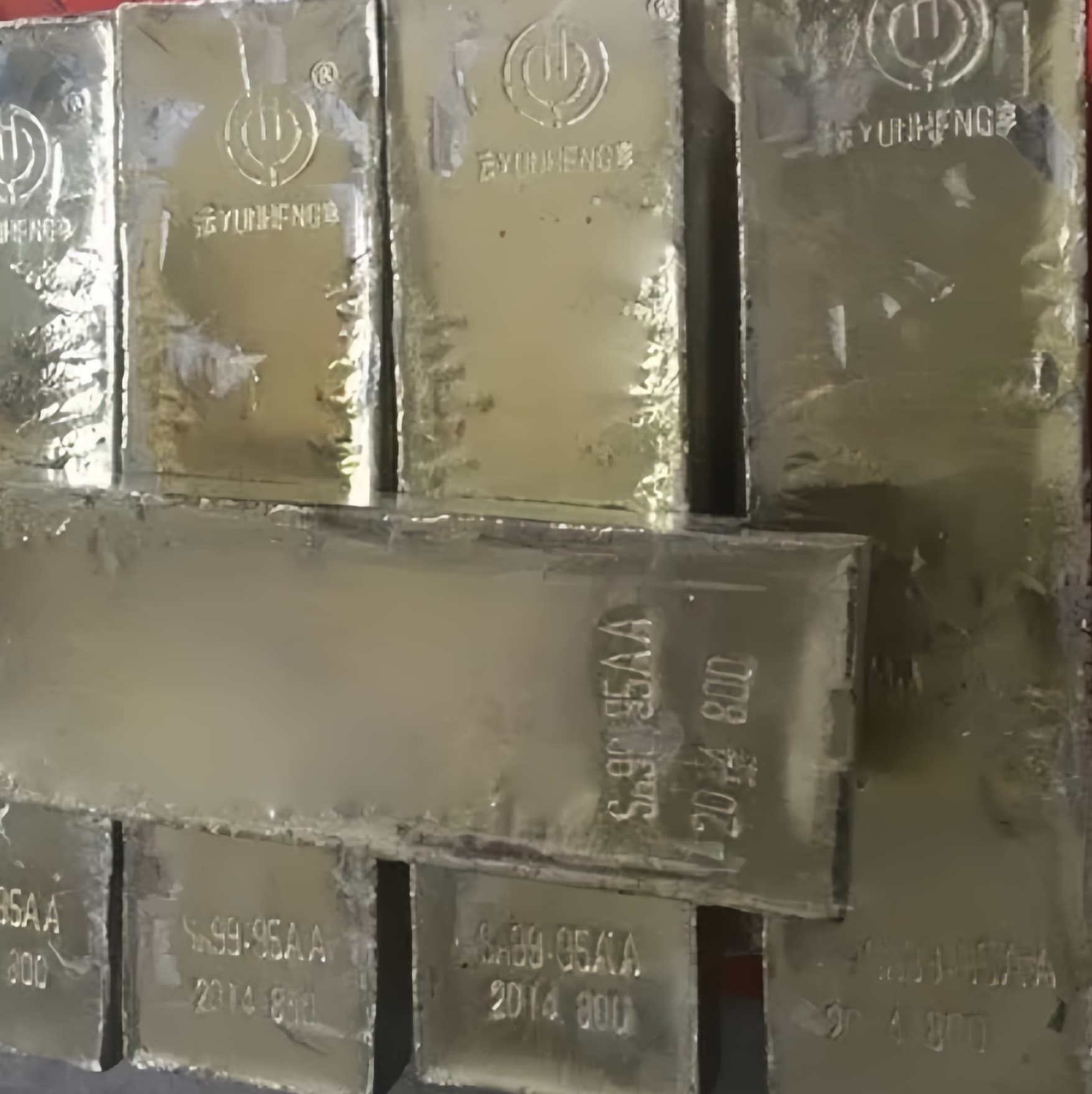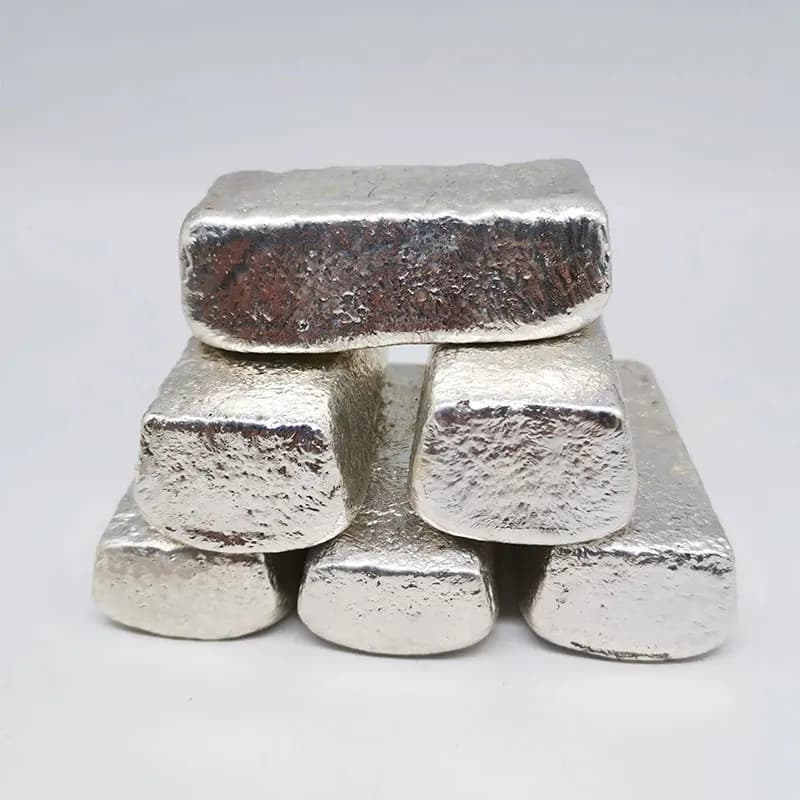
99.99% Magnesium Ingot Block
Lightweight and high-purity magnesium ingots (99.99% min). Essential for aerospace, automotive lightweighting alloys, and diverse chemical applications.
Magnesium ingots at 99.99% minimum purity, cast at 7.5 kg or 15 kg, for aerospace, automotive lightweighting alloys and chemical applications.
Technical Specifications
Product Overview
These are high-purity magnesium ingots at 99.99% minimum, cast in 7.5 kg and 15 kg blocks. Magnesium is the lightest structural metal in common industrial use, with a density around two-thirds that of aluminium, and it is that ratio — not its absolute strength — that makes it valuable in applications where every kilogram saved compounds through the life of the product.
Purity matters more here than in most metals because magnesium oxidizes readily and is sensitive to trace elements, particularly iron, nickel and copper. Those three sit at the top of the galvanic series relative to magnesium, so a small quantity dissolved in the metal accelerates corrosion out of proportion to its concentration. High-purity magnesium is therefore specified where the finished part will see moisture or salt.
Typical Applications
Magnesium ingots are consumed as base metal for:
- Aerospace components and structural castings
- Automotive lightweighting and die casting alloys
- Aluminium alloying, where magnesium is an addition element
- Desulphurization and metallurgical treatment agents
- Chemical and pharmaceutical intermediates
Grades, Purity and What to Specify
State the 7.5 kg or 15 kg ingot weight your charging equipment handles, since both are standard for this product, and give the alloy you intend to produce. If magnesium is being added to aluminium rather than melted on its own, the addition method decides the ingot form that will dissolve reliably in your furnace.
If the finished part will be exposed to moisture or salt, say so and mention any limit on iron, nickel and copper. For those three elements a tight limit is a corrosion-performance decision, not a purity preference.
Packaging and Loading
Ingots are stacked and strapped in bundles for container loading, or supplied loose. Magnesium requires attention to moisture during storage and transport, so packing is agreed with the quotation to suit your conditions.
Quality, Inspection and Documentation
Every lot ships with a certificate of analysis stating the full chemical composition, produced under an ISO 9001:2015 quality management system. That is more than the headline purity figure: it is the residual elements that decide whether two lots at the same stated purity behave the same way in your process.
You can nominate an independent inspection agency — SGS and BV are the two we handle most often — for pre-shipment sampling, weight verification and container sealing. The report is issued to you rather than to us, and you are equally welcome to send your own representative.
Standard export documentation covers the commercial invoice, packing list, certificate of origin and bill of lading, alongside the chemical composition report. If your market requires an additional declaration, tell us at quotation stage rather than after the container is sealed. See the terms of service for how inspection and claims are handled.
Frequently Asked Questions
What ingot weights are available?
Standard ingots are cast at 7.5 kg and 15 kg. Tell us which weight your charging equipment handles and the quotation will be based on that form.
Why does purity matter so much for magnesium?
Magnesium oxidizes readily and is sensitive to iron, nickel and copper, which accelerate corrosion out of proportion to their concentration. High-purity ingot is specified wherever the finished part will be exposed to moisture or salt.
Is this ingot suitable for aluminium alloying?
Yes. Magnesium is a standard addition element in aluminium alloys. Give the target alloy and the addition method, so the ingot form quoted dissolves reliably in your furnace.
Technical Guides for This Product
Sourcing
How Non-Ferrous Metal Prices Are Set: LME, Premiums and Discounts
A price for copper, aluminium, lead or zinc is not one number. It is a reference price with several adjustments around it, and knowing which adjustments are in play is the difference between comparing two quotations and comparing two guesses.
5 min readSourcing
The Document Set Behind a Metal Shipment, and What Each One Proves
A metal shipment is traded twice: once on the specification, and once on the paperwork. The second trade is the one that decides whether the container clears, and it is the one buyers see least of until something turns out to be missing.
6 min readRelated Products