Pure 99.99% Copper Rod & Bar
High-conductivity pure copper rod for power transmission and electrical grounding. Bright surface finish with low oxygen content.
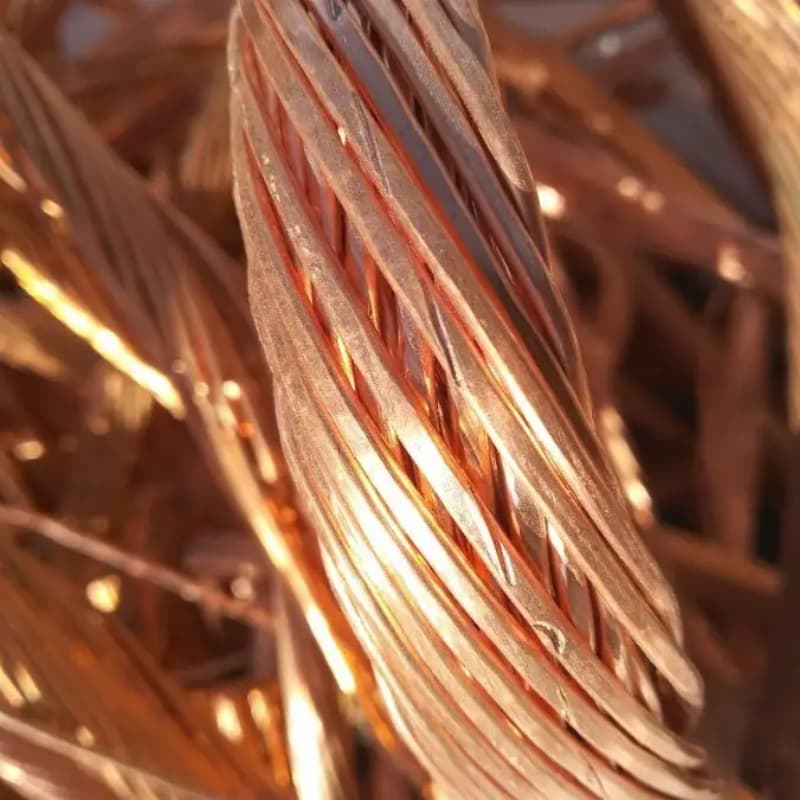
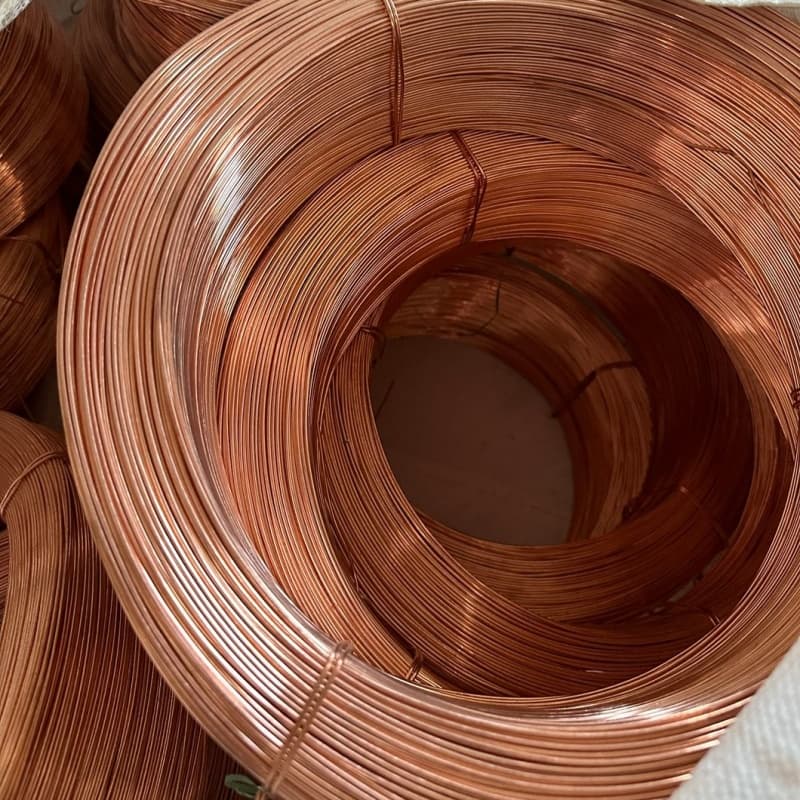
99.99% pure copper rod and bar with a bright, oxide-free finish, supplied as round rod or bar for conductors, busbars and electrical grounding.
Technical Specifications
Product Overview
Copper rod is the intermediate form between refined cathode and finished wire. It is cast and rolled from cathode into a continuous length of dense, low-oxygen copper that drawing machines can reduce to conductor sizes without breaking. The bright surface finish on our rod is a sign of how little oxide has formed, which matters directly to conductivity and to how cleanly the metal draws.
Oxygen content is the variable most buyers underestimate. Dissolved oxygen in copper forms oxide particles along the grain boundaries; drawn thin, those boundaries crack. Rod intended for fine-gauge wire is therefore specified at low oxygen, while bar stock going into busbars and grounding hardware is chosen for dimensional consistency and current-carrying capacity instead.
Typical Applications
Rod and bar serve applications where the copper has to carry current or dissipate it:
- Wire and cable drawing
- Busbars and switchgear conductors
- Electrical grounding and earthing systems
- Transformer and motor windings
- Machined electrical components
Grades, Purity and What to Specify
State the form first — round rod or bar — then the diameter or profile, the length or coil weight your handling equipment takes, and the conductivity or oxygen limit your application requires. Copper at 99.99% purity is a starting point; the drawability of a lot depends on the combination of oxygen content, surface condition and grain structure.
If the rod is going into a drawing line, tell us the finished wire gauge. A rod selected for heavy-gauge drawing and one selected for fine-gauge drawing are not interchangeable, and the difference is settled at the mill rather than on the drawing floor.
Packaging and Loading
Rod is supplied in coils or straight lengths, bar in bundles, both strapped for container loading. Coil weight, bundle dimensions and loaded weight per container are agreed with the quotation so your handling equipment is not surprised at the receiving end.
Quality, Inspection and Documentation
Every lot ships with a certificate of analysis stating the full chemical composition, produced under an ISO 9001:2015 quality management system. That is more than the headline purity figure: it is the residual elements that decide whether two lots at the same stated purity behave the same way in your process.
You can nominate an independent inspection agency — SGS and BV are the two we handle most often — for pre-shipment sampling, weight verification and container sealing. The report is issued to you rather than to us, and you are equally welcome to send your own representative.
Standard export documentation covers the commercial invoice, packing list, certificate of origin and bill of lading, alongside the chemical composition report. If your market requires an additional declaration, tell us at quotation stage rather than after the container is sealed. See the terms of service for how inspection and claims are handled.
Frequently Asked Questions
What is the difference between copper rod and copper bar?
Rod is supplied in coils and is intended to be drawn down into wire. Bar is supplied in straight lengths for machining, busbar fabrication and grounding hardware. Both are 99.99% pure copper; the difference is form and the downstream process each is meant for.
Why does oxygen content matter in copper rod?
Oxygen in copper forms oxide particles along grain boundaries. When the rod is drawn to fine gauge, those boundaries can crack. Rod destined for fine wire is therefore specified at low oxygen content, while busbar and grounding stock is chosen for dimensional consistency.
What should I state in an enquiry?
Give the form, the diameter or profile, the length or coil weight you can handle, the tonnage and the destination port. If the rod feeds a drawing line, also give the finished wire gauge so the right material is quoted.
Technical Guides for This Product
Copper
Copper Rod and Busbar: The Four Parameters That Decide Whether It Fits
Copper rod is one of the few products where the headline purity figure tells you almost nothing useful. Two rods can both be described as 99.99 per cent and behave completely differently on the same drawing line, because what decides the outcome is oxygen content, temper, tolerance and surface condition.
5 min readSourcing
How Payment Terms Work in Physical Metal Trade
Nearly every quotation in physical metal trade carries the same two-stage structure: a deposit when the contract is signed, and the balance against a copy of the bill of lading. It is not a habit sellers fell into. It is what a large-value, exchange-priced commodity with thin margins produces when both sides have to protect themselves at once, which makes it worth understanding before you try to negotiate it.
7 min readRelated Products