Sn 99.90% High Purity Tin Ingot
Reliable tin ingots for electronics soldering, food packaging, and alloy manufacturing. Excellent malleability and high purity (99.90% min).
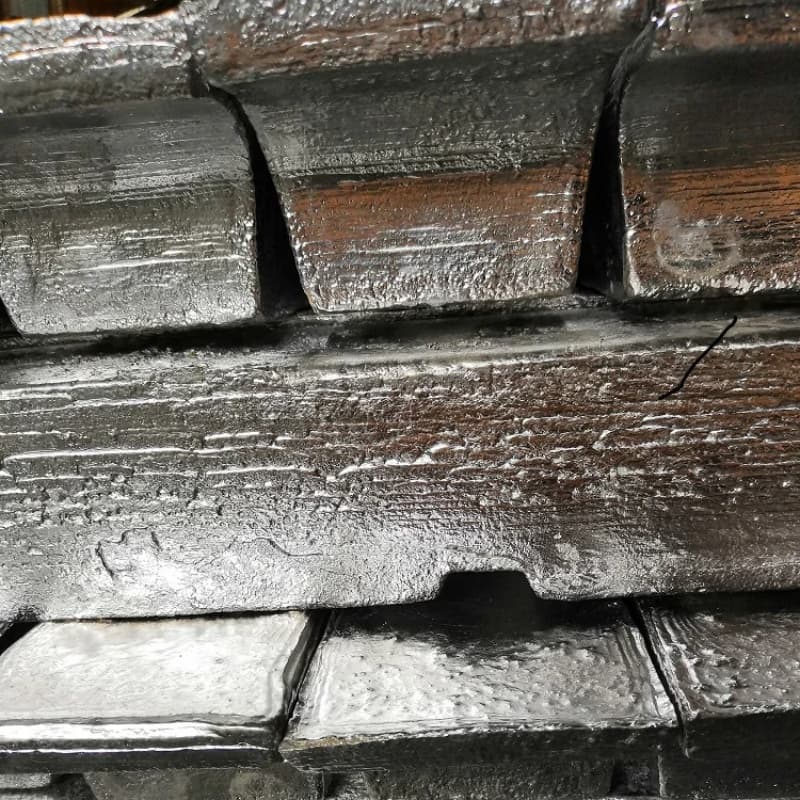
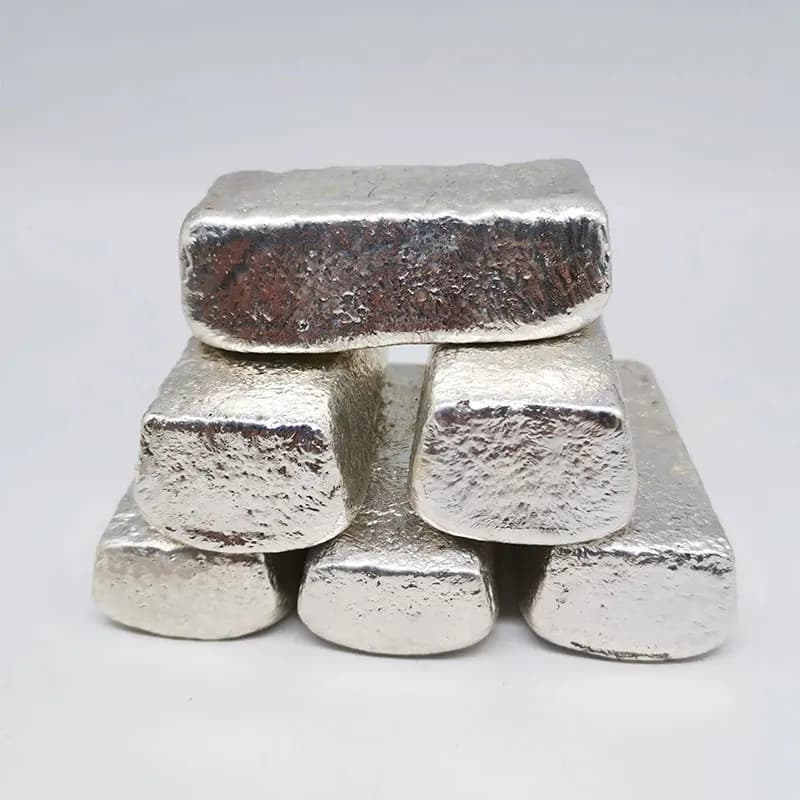
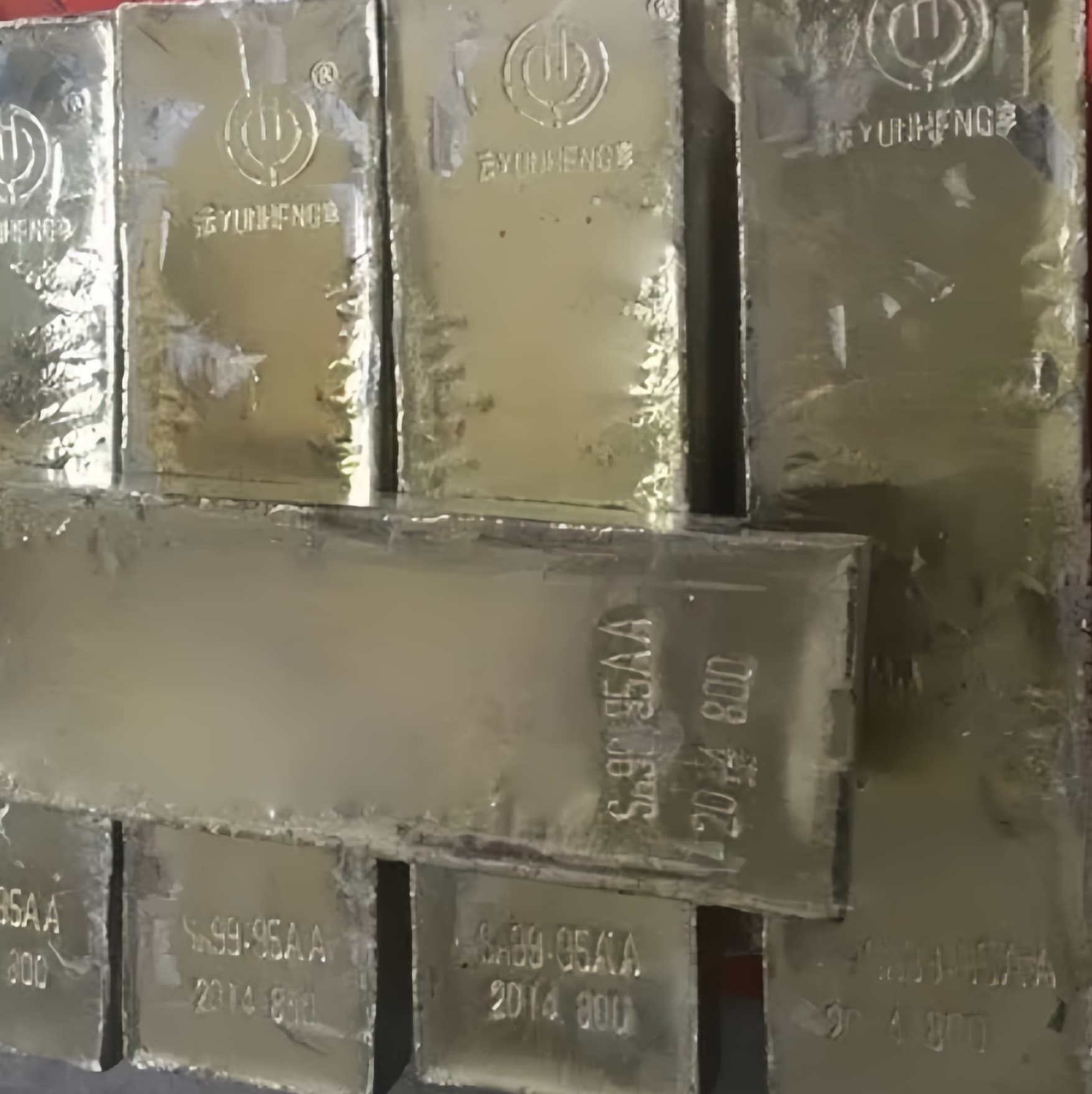
Tin ingots at 99.90% minimum purity with a silver-white metallic appearance, for soldering, food-contact packaging and alloy manufacture.
Technical Specifications
Product Overview
These are refined tin ingots at a minimum purity of 99.90%, with the bright silver-white appearance that distinguishes refined tin from oxidised or recovered metal. Tin is a soft, highly malleable metal with a low melting point, which is precisely why it became the base of solders and why it is still specified where a joint has to form at a temperature the components can survive.
The purity figure carries more weight here than in most base metals because tin is very sensitive to contamination by lead and by other low-melting elements. A tenth of a percent of the wrong element changes the melting range and the mechanical behaviour of the solder, and in food-contact applications it can decide whether the material meets a regulatory limit at all.
Typical Applications
Refined tin ingots are used in:
- Lead-free and tin-lead solders for electronics
- Tinplate and food-contact packaging
- Bronze and other copper alloy production
- Chemical and organotin manufacture
- Float glass production and specialty coatings
Grades, Purity and What to Specify
State the intended alloy or solder composition rather than the tin grade alone. A solder manufacturer will care about the lead and antimony levels in the base metal because those carry straight into the finished alloy; a tinplate producer will care about surface quality and consistent ingot weight for the plating line.
For an enquiry, include the tonnage, the ingot weight your equipment handles, the packing form and the destination port. If your finished product is subject to a food-contact or electronics regulation, say so at quotation stage so the lot certificate can be checked against the relevant limits.
Packaging and Loading
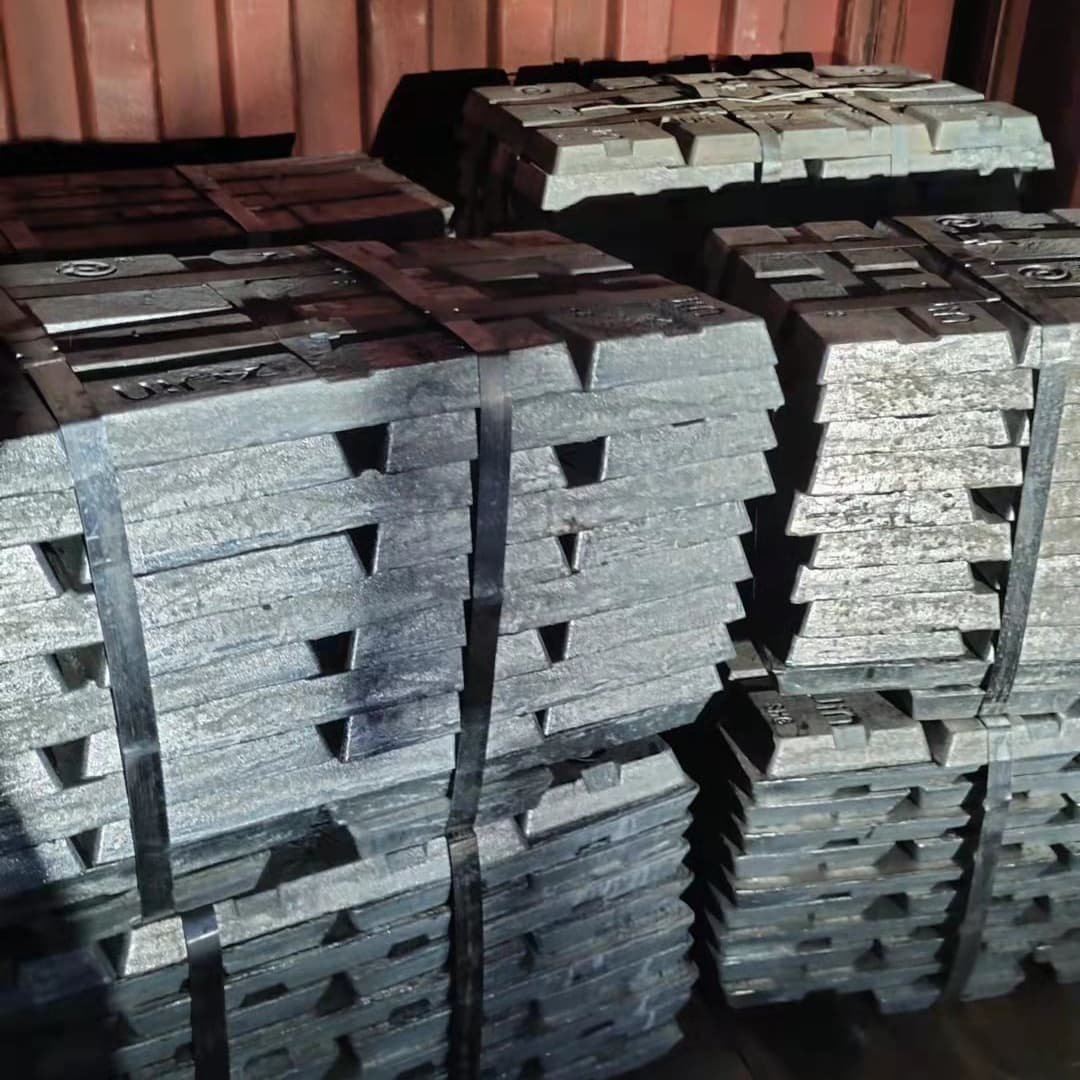
Ingots are stacked and strapped in bundles, palletised, or loaded loose to suit your works. Whichever form you take, the bundle weight is stated on the packing list so your receiving team can plan unloading before the container arrives.
Quality, Inspection and Documentation
Every lot ships with a certificate of analysis stating the full chemical composition, produced under an ISO 9001:2015 quality management system. That is more than the headline purity figure: it is the residual elements that decide whether two lots at the same stated purity behave the same way in your process.
You can nominate an independent inspection agency — SGS and BV are the two we handle most often — for pre-shipment sampling, weight verification and container sealing. The report is issued to you rather than to us, and you are equally welcome to send your own representative.
Standard export documentation covers the commercial invoice, packing list, certificate of origin and bill of lading, alongside the chemical composition report. If your market requires an additional declaration, tell us at quotation stage rather than after the container is sealed. See the terms of service for how inspection and claims are handled.
Frequently Asked Questions
What purity is the tin ingot?
99.90% minimum, with a silver-white metallic appearance. Every lot is released under an ISO 9001:2015 quality management system and travels with its own chemical composition report.
Is this tin suitable for lead-free solder?
The base metal is refined tin at 99.90% minimum, which is the starting point for lead-free solder alloys. Give us the finished alloy specification so the lead and antimony levels in the base metal can be checked against it.
Why does tin purity matter more than in other base metals?
Tin has a low melting point and is very sensitive to contamination. Small amounts of lead or other low-melting elements shift the melting range and change the mechanical behaviour of the resulting solder or alloy.
Technical Guides for This Product
Sourcing
Buying Minor Metals: What Changes Once You Move Off Copper and Aluminium
A buyer who moves from copper cathode or aluminium ingot to tin, nickel or indium finds that almost none of the purchasing habits carry over. The unit of trade shrinks from the container to the pallet, the price reference changes, the packaging inverts, and the purity figure on its own stops being a sufficient specification.
5 min readHeavy Metals
Lead and Zinc Ingot Purity Grades, and What the Extra Decimals Change
Refined lead is traded from about 99.97% upward, with 99.99% and 99.994% as the higher grades, while zinc is commonly supplied at 99.995% and called SHG. The differences look like rounding. In corrosion resistance, alloying and acceptance testing they are not.
4 min readRelated Products