High-Purity 99.994% Lead Ingot
Standard high-purity lead ingot for battery production, radiation shielding, and industrial alloys. High density and reliable quality with competitive pricing.
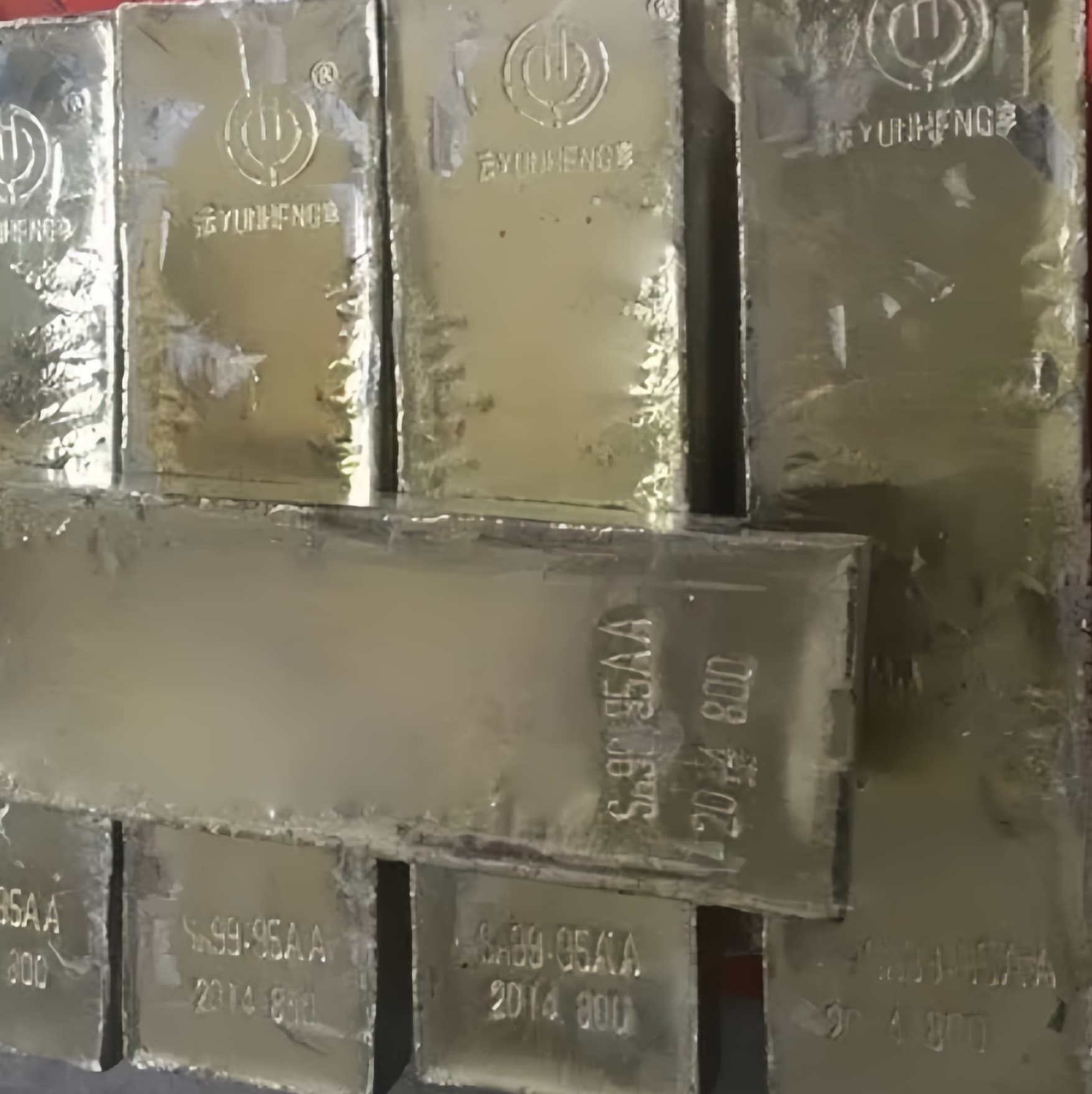
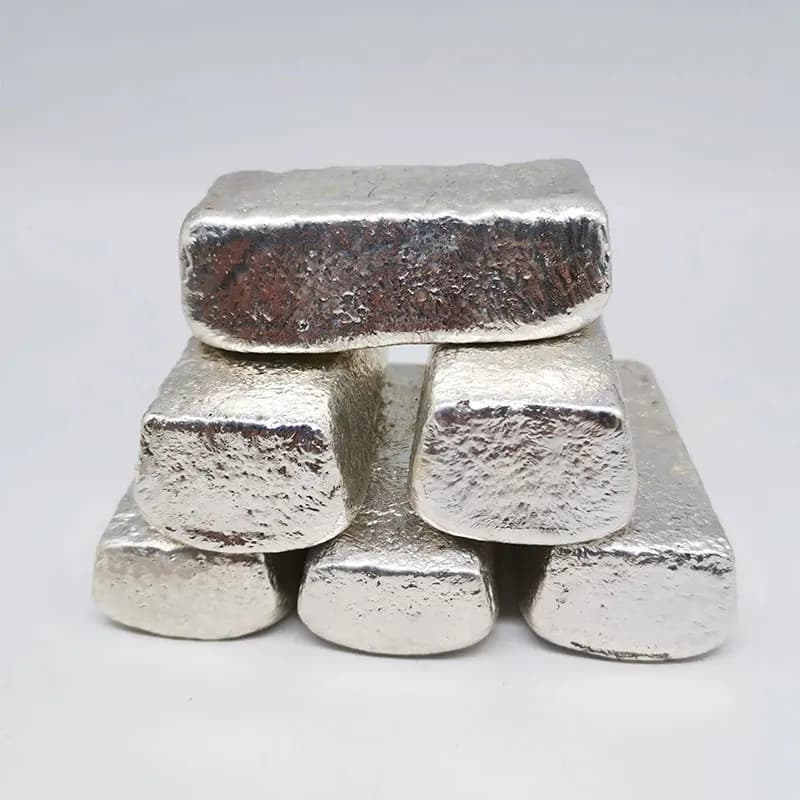
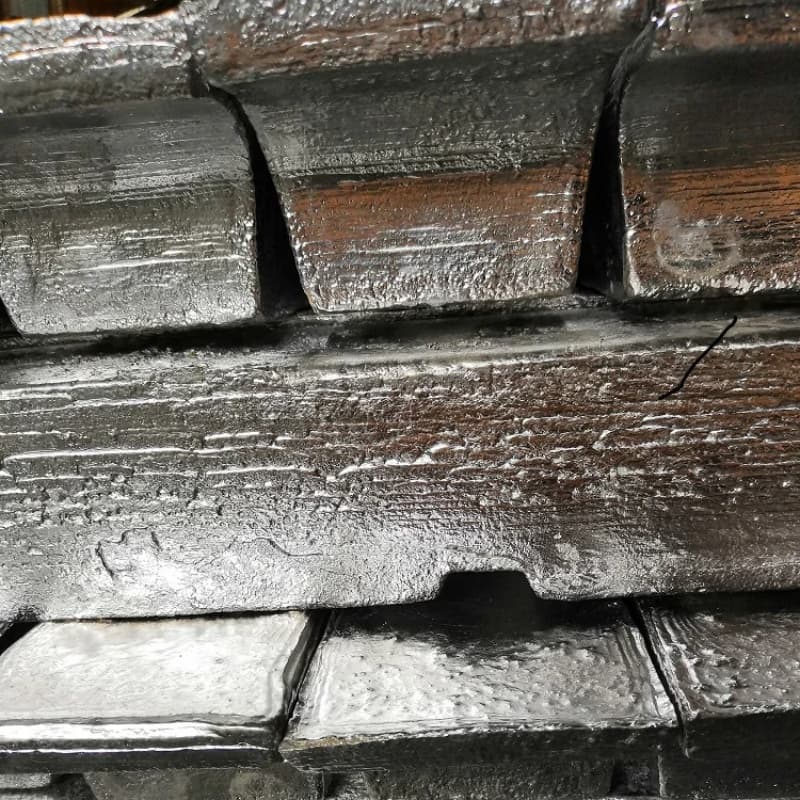
Refined lead ingots at 99.994% minimum purity, cast at 25 kg in a 645 x 128 x 90 mm block for battery production, radiation shielding and alloy manufacture.
Technical Specifications
Product Overview
These are refined lead ingots cast to a standard 25 kg block measuring 645 x 128 x 90 mm, at a minimum purity of 99.994%. The grade is a refined-metal designation: the ingot has been through smelting and refining rather than recovered as secondary scrap, so the analysis is controlled rather than merely observed.
Lead is bought for two properties above all: density and corrosion resistance. Density is what makes it work as radiation shielding, where stopping power scales with mass per unit area. Corrosion resistance is what makes it survive decades in a battery or a chemical plant. Both depend on purity — impurity elements such as bismuth and antimony raise hardness and change the electrochemical behaviour of the alloy, which is why battery manufacturers specify a floor on the lead content rather than accepting whatever the lot happens to be.
Typical Applications
Refined lead ingots are consumed in:
- Lead-acid battery grids, plates and terminals
- Radiation shielding for medical and nuclear applications
- Lead alloys, including solders and bearing metals
- Cable sheathing and corrosion protection
- Ballast weight and vibration damping
Grades, Purity and What to Specify
For battery work, tell us whether the ingot is being cast into grids or into oxide, because the two processes tolerate different bismuth and antimony levels. For shielding, give the attenuation requirement and the thickness you intend to cast — density is the input to that calculation, and the purity figure confirms the density is what you expect.
Also state whether you need the ingot in full block form or cut, and the tonnage and destination port. Lead is a controlled material in many jurisdictions, so mention any documentation your market requires at enquiry stage rather than after the container is sealed.
Packaging and Loading
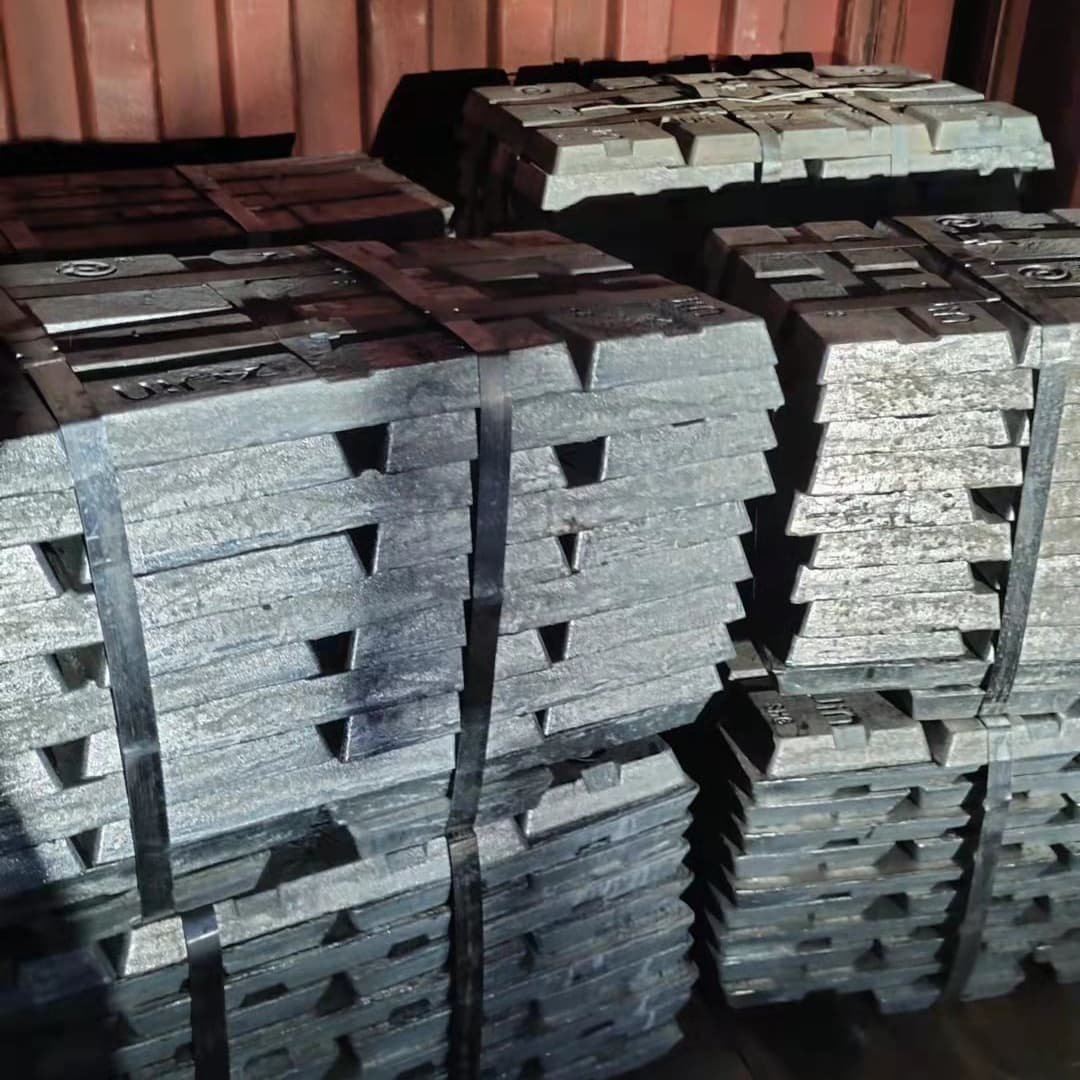
Ingots are stacked and strapped in bundles for container loading, or supplied loose if your works prefers to handle them individually. Because lead is dense, the packing form has a larger effect on loaded weight here than it does for lighter metals, so it is settled with the quotation rather than assumed.
Quality, Inspection and Documentation
Every lot ships with a certificate of analysis stating the full chemical composition, produced under an ISO 9001:2015 quality management system. That is more than the headline purity figure: it is the residual elements that decide whether two lots at the same stated purity behave the same way in your process.
You can nominate an independent inspection agency — SGS and BV are the two we handle most often — for pre-shipment sampling, weight verification and container sealing. The report is issued to you rather than to us, and you are equally welcome to send your own representative.
Standard export documentation covers the commercial invoice, packing list, certificate of origin and bill of lading, alongside the chemical composition report. If your market requires an additional declaration, tell us at quotation stage rather than after the container is sealed. See the terms of service for how inspection and claims are handled.
Frequently Asked Questions
What purity is the lead ingot?
99.994% minimum. Each lot is released under an ISO 9001:2015 quality management system and accompanied by a chemical composition report.
Is this ingot suitable for battery plate production?
Yes. Battery grids and plates are the largest application for this grade. Tell us whether you are casting grids or producing oxide, and any bismuth or antimony limit your process imposes, so the right lot is selected.
What are the ingot dimensions?
Standard ingots measure 645 x 128 x 90 mm and weigh 25 kg each, supplied as stacked and strapped bundles or loose according to your handling preference.
Technical Guides for This Product
Heavy Metals
Lead and Zinc Ingot Purity Grades, and What the Extra Decimals Change
Refined lead is traded from about 99.97% upward, with 99.99% and 99.994% as the higher grades, while zinc is commonly supplied at 99.995% and called SHG. The differences look like rounding. In corrosion resistance, alloying and acceptance testing they are not.
4 min readLogistics
How Many Tonnes of Metal Fit in a 20ft Container, and Where the Difference Goes
Every metal enquiry runs into the same question sooner or later: how much of this actually goes in one box. The figure stamped on the container door is a ceiling rather than a plan, and for dense cargo the real limit is usually set somewhere else entirely.
6 min readRelated Products