Nickel, Cobalt, Antimony & Indium Supplier
Four metals bought by specification rather than by the tonne. Nickel cathode, cobalt plate, antimony and indium are purchased by battery, superalloy, plating and display manufacturers who care about trace impurities, consistent geometry, and documentation that survives an audit.
Specialty Metals Products
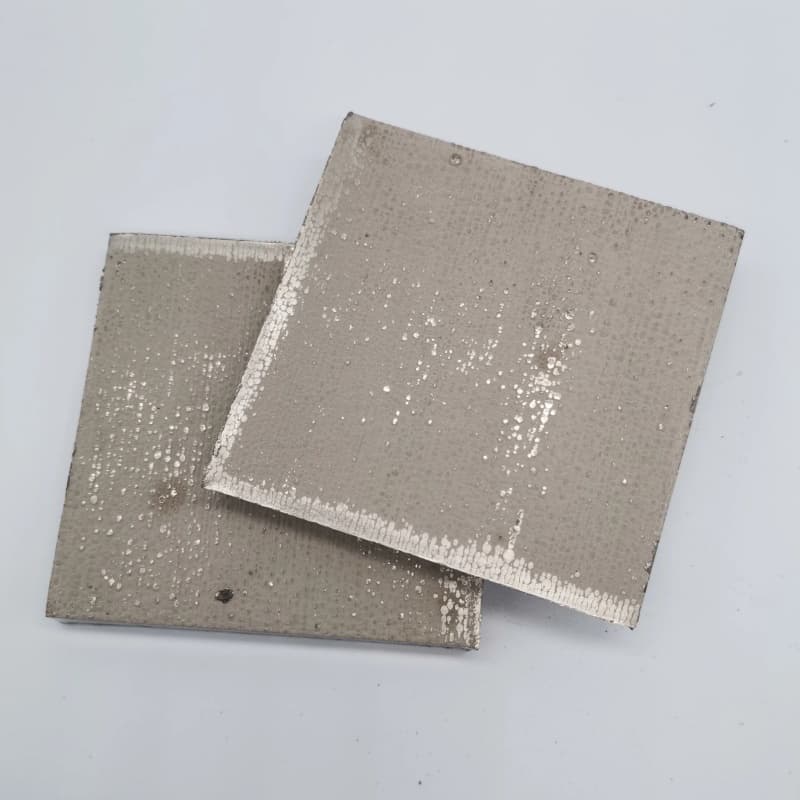
Electrolytic Nickel Cathode (99.9%)
High-purity nickel cathode sheets (99.9% min) for electroplating, battery production, and specialized steel alloys. Consistent quality for precision industrial applications.
Get Details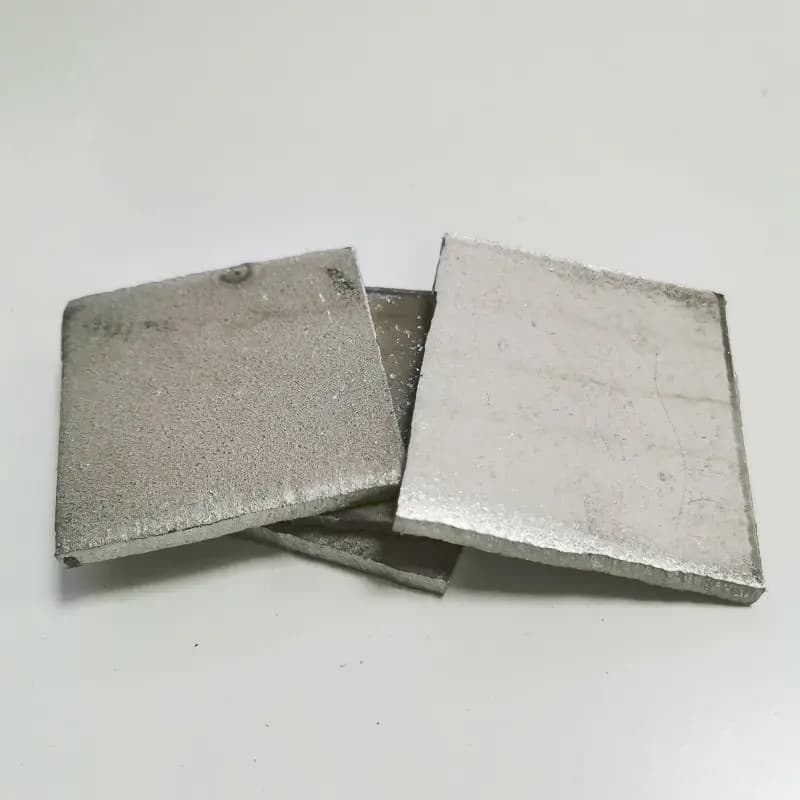
High-Quality Cobalt Plate / Sheet
Premium industrial-grade cobalt plates (99.9% min purity). Essential for high-strength alloys, aerospace engines, battery materials, and cutting tools.
Get Details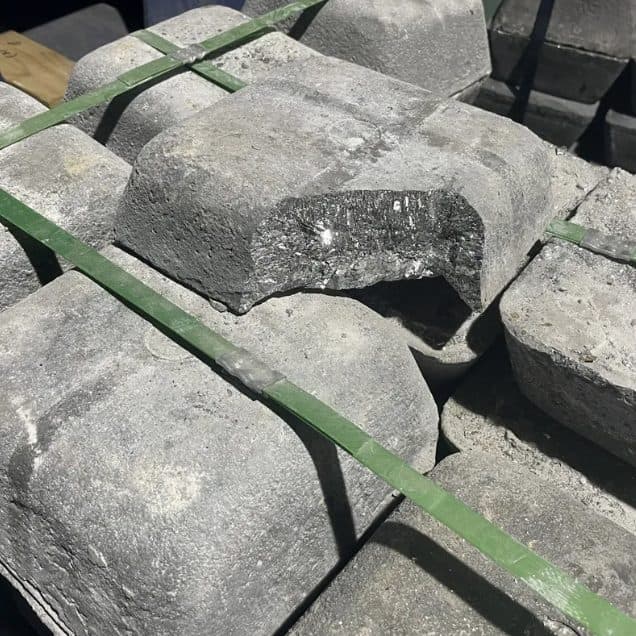
High-Purity Antimony Ingot (Sb 99.9% min)
Industrial grade antimony ingots (Sb 99.9% min). Primarily used as a hardening agent for lead in batteries, flame retardants, and various metallurgical alloys.
Get Details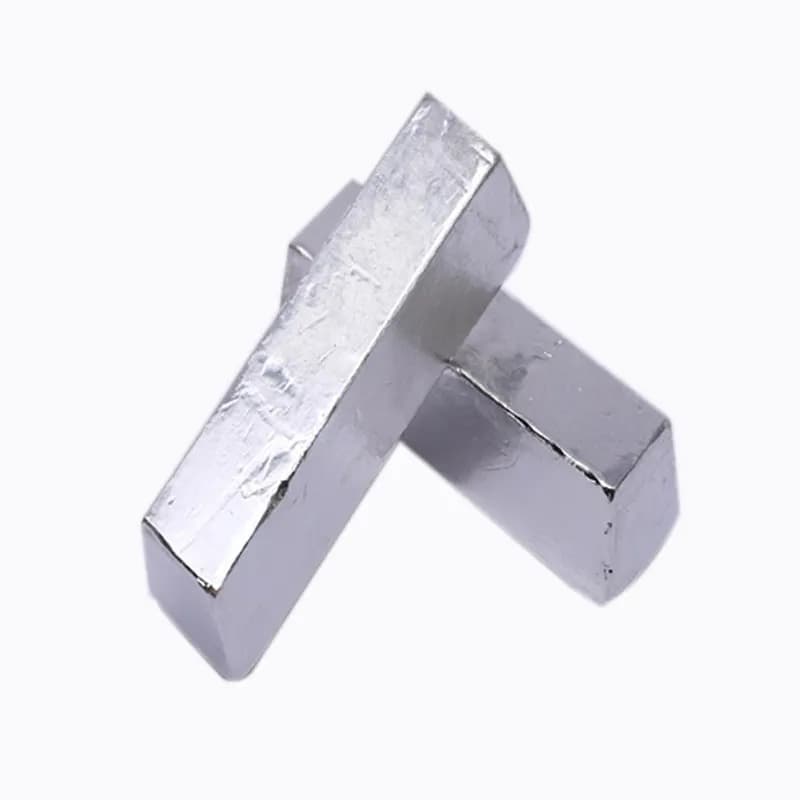
Ultra-High Purity Indium Ingot (99.99% min)
Refined 99.99% purity indium ingots. A critical material for ITO thin-film production, high-performance semiconductors, low-melting point alloys, and vacuum sealing applications.
Get DetailsSpecialty Metal Products We Supply
- Electrolytic nickel cathode — 99.9% min Ni, supplied as full-size or cut cathode for electroplating, battery production and special steel alloys.
- Cobalt plate and sheet — 99.9% min Co, industrial grade, for high-strength alloys, aerospace engines, battery materials and cutting tools.
- Antimony ingot — Sb 99.9% min, for hardening lead in batteries, flame retardants and ceramics.
- Indium ingot — 99.99% min, refined grade, for ITO targets, semiconductors, low-melting alloys and vacuum sealing.
Why Specification Discipline Matters Here
These four metals share a commercial characteristic: the headline purity figure is not the specification. A 99.9% cobalt plate from two different producers can behave differently in the same superalloy melt, because the difference sits in the residual elements — arsenic, sulphur, iron or nickel — that the summary number does not show.
Antimony is bought as a deliberate impurity, added to harden lead grids in a battery, and the ratio has to be right. Indium is bought for its oxide, so what matters is how it sputters rather than only how much of it you have. We supply the assay with the lot, and we do not round a specification up.
Where These Metals Go
- Lithium-ion and nickel-cadmium battery cathodes and precursors
- Electroplating and surface finishing
- Superalloys for turbine blades and aerospace engines
- Cemented carbide and cutting-tool production
- Lead-acid battery grid hardening
- Flame retardants and antimony trioxide chemistry
- Ceramics, enamels and glass clarification
- ITO sputtering targets and transparent conductive films
- Semiconductor and compound semiconductor production
- Low-melting-point alloys, seals and thermal fuses
Inspection, Documentation and Traceability
Buyers of these materials are usually being audited, or are auditing their own supply chain, so the paperwork has to stand on its own. Every lot ships with a certificate of analysis stating the full impurity profile, produced under an ISO 9001:2015 quality management system. Buyer-nominated SGS or BV inspection is available for sampling, weight verification and container sealing.
If you need the lot number to stay traceable into your own production batch, tell us when you order and we will keep that identifier consistent across the certificate of analysis, the packing list and the commercial invoice.
Packaging, Shipment and Order Terms
Nickel cathode ships as full plates or cut to your handling size. Cobalt ships as plate or sheet, interleaved and crated. Antimony and indium ship as small ingots, normally palletised and shrink-wrapped for a clean unpack.
These four metals trade at higher unit values than bulk scrap and move on thinner margins, so order quantities tend to be smaller and pricing moves faster. We quote FOB and CIF from Chinese ports and will confirm validity on the day you commit.
Frequently Asked Questions
What is electrolytic nickel cathode used for?
Electrolytic nickel cathode at 99.9% min Ni is the primary feedstock for nickel plating baths, for nickel-bearing battery chemistries, and for special steels and superalloys where nickel content has to be controlled precisely. It is supplied as full-size cathode plates or cut to a size your melting or dissolution equipment can handle.
Why does the impurity profile matter more than the purity number?
Because two lots at the same headline purity can behave differently. In cobalt destined for a superalloy, the elements that decide performance are the residuals — arsenic, sulphur, iron, nickel — which a summary figure of 99.9% does not describe. The certificate of analysis we issue states the full profile, so the specification can be checked against what your process actually tolerates.
Can you keep lot numbers traceable for our audits?
Yes. Tell us at order stage that you need traceability into your own batch records and we will keep the identifier consistent across the certificate of analysis, the packing list and the invoice. Buyers with formal quality systems ask for this routinely.
Which markets do you ship specialty metals to?
We export to buyers across five continents, including North America, South America, Western Europe, the Middle East, East and Southeast Asia, Africa and Oceania. Several of these metals are regulated at import, so tell us the destination country at quotation stage and we will prepare the declarations your market requires.
Guides for specialty metals buyers
These pages explain the specification questions behind this category — how the grades differ, how purity is verified, and how a delivered price is built up. Read them before you send an enquiry, or forward them to whoever signs off the specification.
Sourcing
Buying Minor Metals: What Changes Once You Move Off Copper and Aluminium
A buyer who moves from copper cathode or aluminium ingot to tin, nickel or indium finds that almost none of the purchasing habits carry over. The unit of trade shrinks from the container to the pallet, the price reference changes, the packaging inverts, and the purity figure on its own stops being a sufficient specification.
Read the guideSourcing
The Document Set Behind a Metal Shipment, and What Each One Proves
A metal shipment is traded twice: once on the specification, and once on the paperwork. The second trade is the one that decides whether the container clears, and it is the one buyers see least of until something turns out to be missing.
Read the guideSourcing
How Payment Terms Work in Physical Metal Trade
Nearly every quotation in physical metal trade carries the same two-stage structure: a deposit when the contract is signed, and the balance against a copy of the bill of lading. It is not a habit sellers fell into. It is what a large-value, exchange-priced commodity with thin margins produces when both sides have to protect themselves at once, which makes it worth understanding before you try to negotiate it.
Read the guideOther Metal Categories
Copper
Ruichuang Metal supplies the three forms of copper buyers ask for most often: Grade A bare bright copper wire scrap, electrolytic copper cathode, and oxygen-free copper rod and bar.
View categoryAluminum
Aluminum is the lightest metal in our catalogue and the one where grade confusion costs buyers the most.
View categoryHeavy Metals
Five dense, high-value metals that behave nothing alike.
View categoryNeed a quotation for specialty metals?
Send us the grade, the tonnage and the destination port. You will get a landed-cost figure, not just a unit price, and you can nominate the inspection agency that releases the lot.