High-Purity 99.99% Bismuth Ingot
Premium 99.99% purity bismuth ingots. Widely used in fusible alloys, metallurgical additives, pharmaceuticals, and non-toxic replacement for lead in various industrial applications.
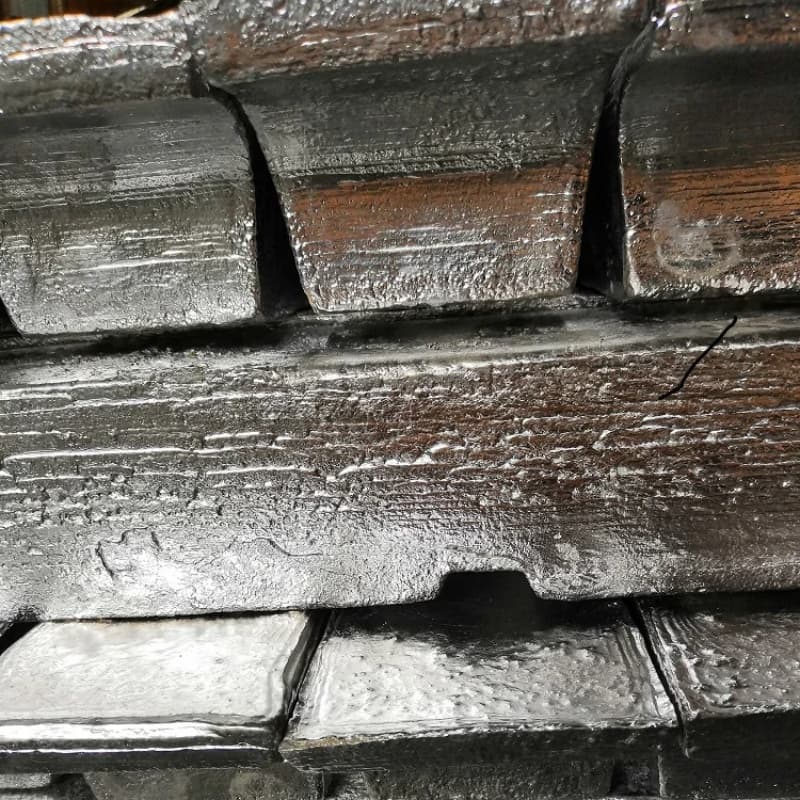
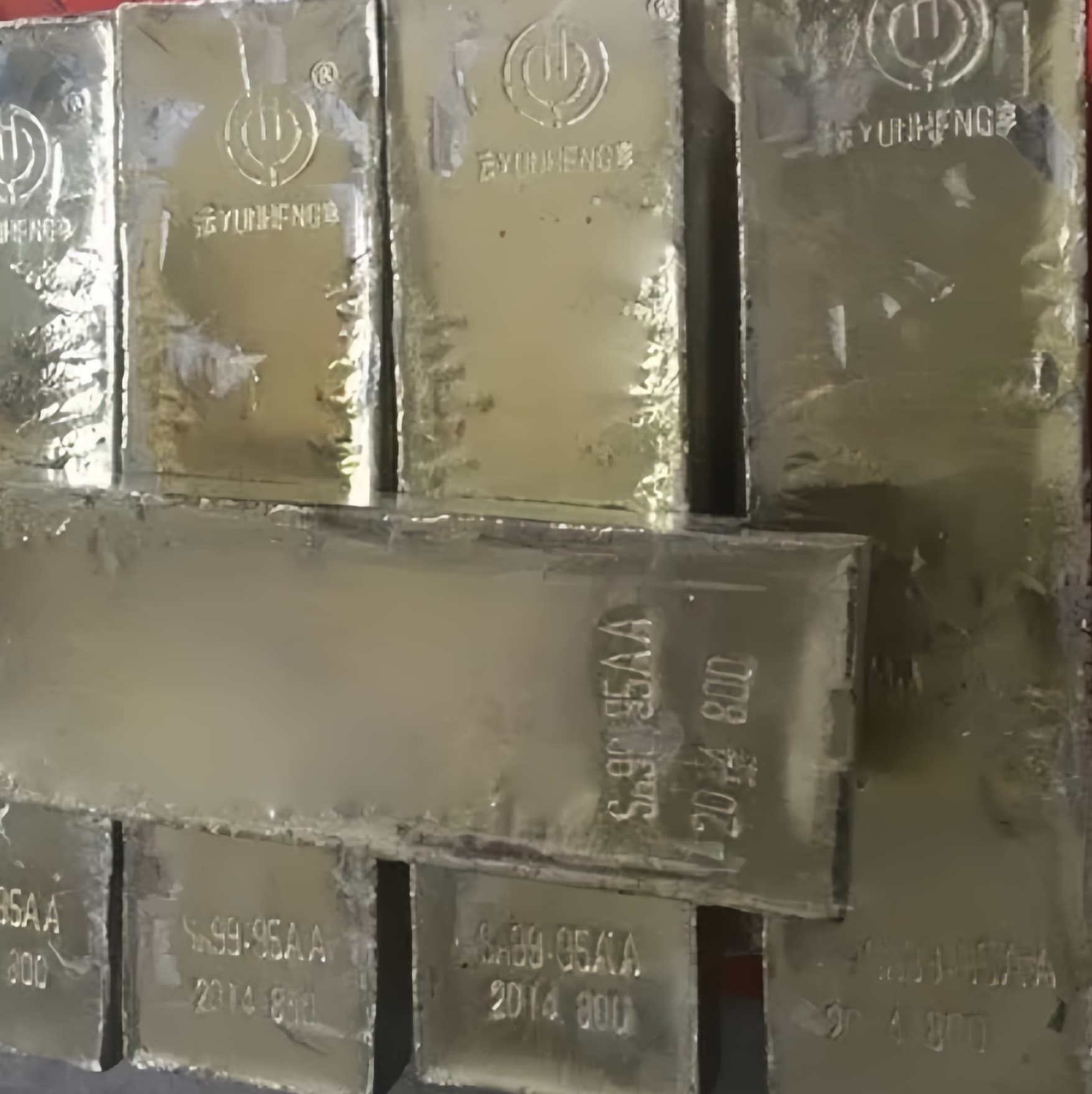
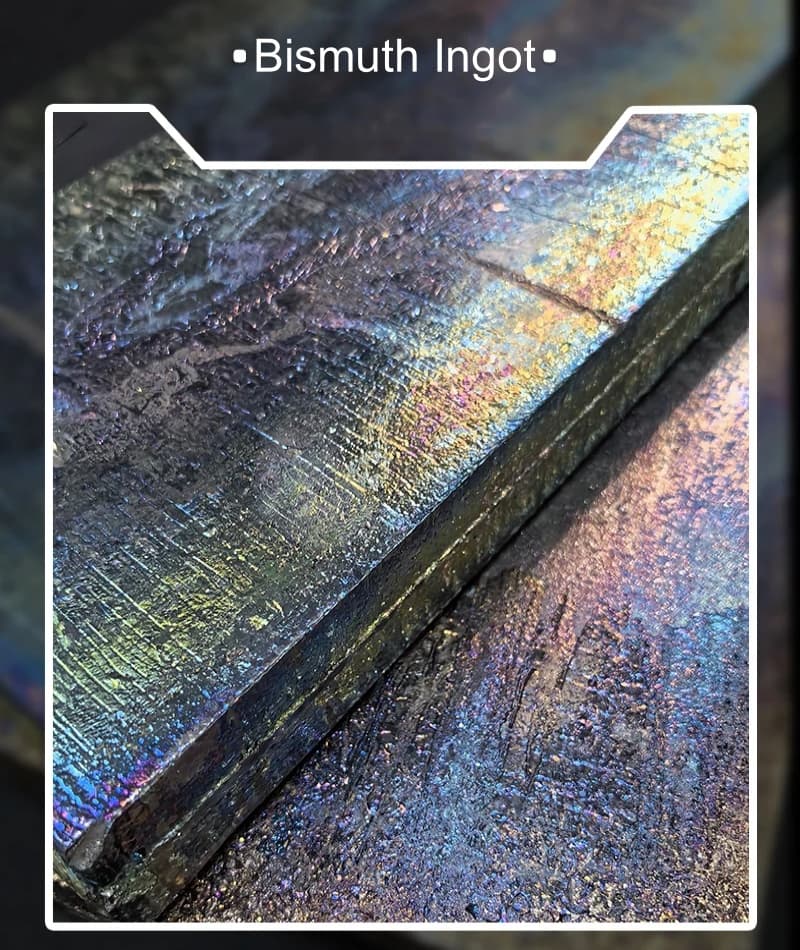
Bismuth ingots at 99.99% minimum purity with a silver-white appearance and a pinkish tinge, used in fusible alloys, metallurgical additions and lead-free replacement work.
Technical Specifications
Product Overview
These are refined bismuth ingots at a minimum purity of 99.99%, with the silver-white surface and characteristic pinkish tinge of the refined metal. Bismuth is unusual among heavy metals in being essentially non-toxic, and that single property drives most of its growth: where a dense metal is needed but lead is restricted, bismuth is frequently the answer.
It is also the metal that makes fusible alloys work. Bismuth expands slightly on solidifying and forms alloys with melting points far below those of their constituent metals — some below the boiling point of water. Solder and safety devices that have to actuate at a defined low temperature are built on that behaviour, and the behaviour depends on the bismuth content being what the specification says it is.
Typical Applications
Refined bismuth is used in:
- Low-melting and fusible alloys, including solders
- Metallurgical additives for free-machining steels and aluminium alloys
- Lead-free replacement of lead in density and ballast applications
- Pharmaceutical and cosmetic intermediates
- Thermal safety devices and fire-sprinkler trigger alloys
Grades, Purity and What to Specify
For alloy work, state the target composition and the required melting range. Fusible alloy behaviour is sensitive to both bismuth content and the level of other low-melting elements, so the analysis of the base metal sets the tolerance band you can hold in the finished alloy.
For metallurgical additions, give the target steel or alloy grade and the addition rate. Bismuth is deliberately kept to very small quantities in those applications, which makes lot consistency more important than the headline purity figure.
Packaging and Loading
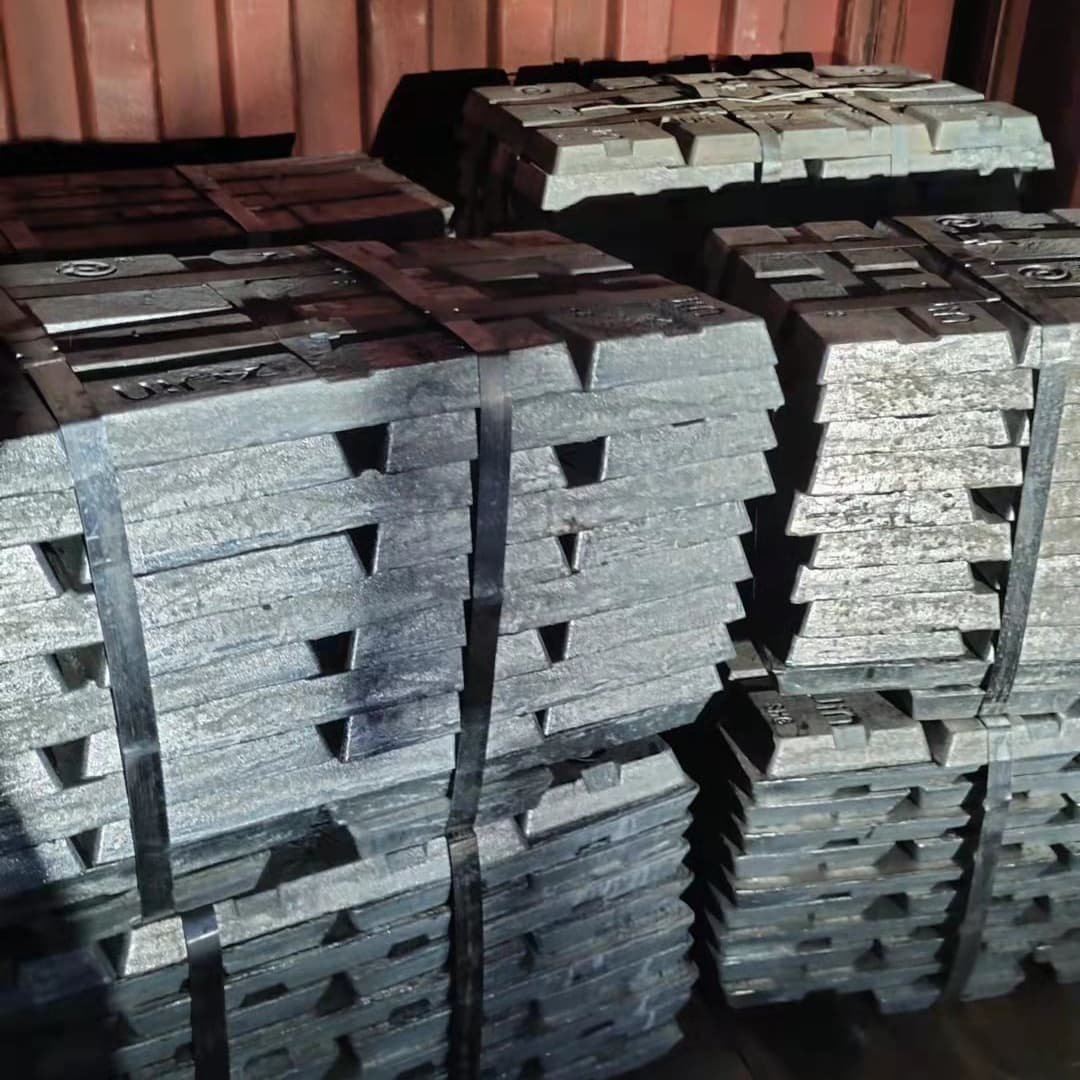
Ingots are supplied stacked and strapped or palletised for container loading. Ingot weight, bundle form and loaded weight per container are confirmed with the quotation.
Quality, Inspection and Documentation
Every lot ships with a certificate of analysis stating the full chemical composition, produced under an ISO 9001:2015 quality management system. That is more than the headline purity figure: it is the residual elements that decide whether two lots at the same stated purity behave the same way in your process.
You can nominate an independent inspection agency — SGS and BV are the two we handle most often — for pre-shipment sampling, weight verification and container sealing. The report is issued to you rather than to us, and you are equally welcome to send your own representative.
Standard export documentation covers the commercial invoice, packing list, certificate of origin and bill of lading, alongside the chemical composition report. If your market requires an additional declaration, tell us at quotation stage rather than after the container is sealed. See the terms of service for how inspection and claims are handled.
Frequently Asked Questions
What purity is the bismuth ingot?
99.99% minimum, supplied in ingot form with a silver-white appearance and a pinkish tinge. Each lot ships with a chemical composition report.
Why is bismuth used instead of lead?
Bismuth is essentially non-toxic, unlike lead, while still being a dense heavy metal. It is therefore the usual substitute wherever density or fusible-alloy behaviour is needed but lead is restricted by regulation or by product safety requirements.
Can bismuth be supplied for free-machining steel additions?
Yes. Bismuth is added in very small quantities in those applications, so give us the target grade and addition rate. Lot consistency matters more than the headline purity figure at those levels.
Technical Guides for This Product
Sourcing
Buying Minor Metals: What Changes Once You Move Off Copper and Aluminium
A buyer who moves from copper cathode or aluminium ingot to tin, nickel or indium finds that almost none of the purchasing habits carry over. The unit of trade shrinks from the container to the pallet, the price reference changes, the packaging inverts, and the purity figure on its own stops being a sufficient specification.
5 min readSourcing
How Non-Ferrous Metal Prices Are Set: LME, Premiums and Discounts
A price for copper, aluminium, lead or zinc is not one number. It is a reference price with several adjustments around it, and knowing which adjustments are in play is the difference between comparing two quotations and comparing two guesses.
5 min readRelated Products