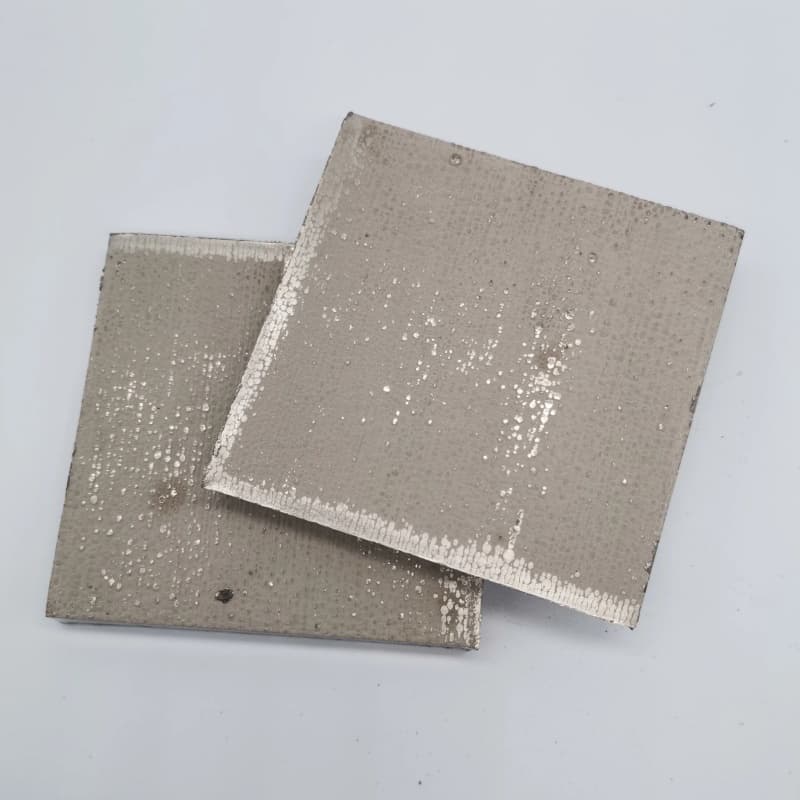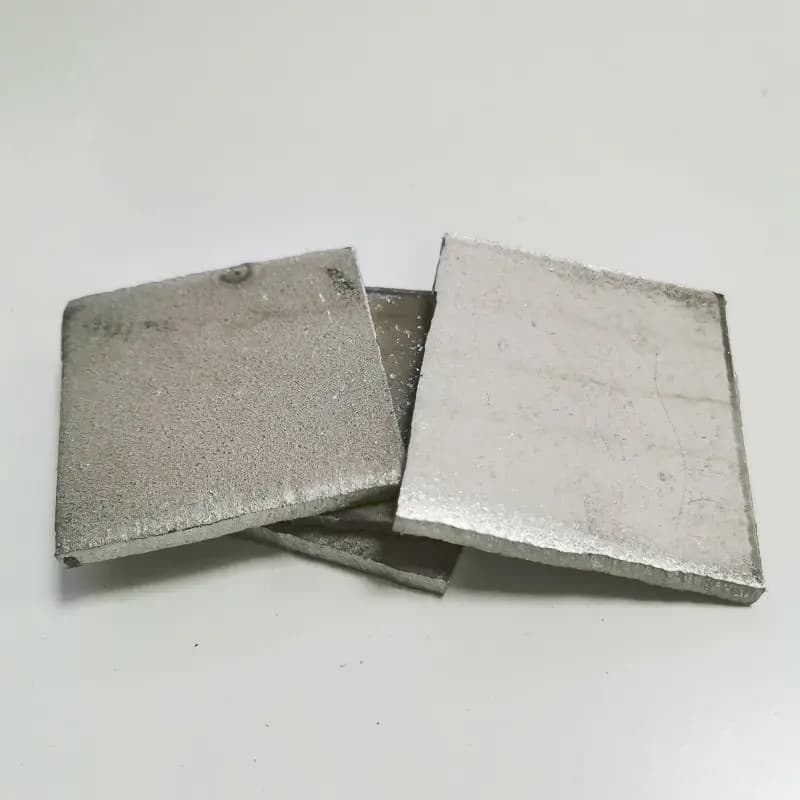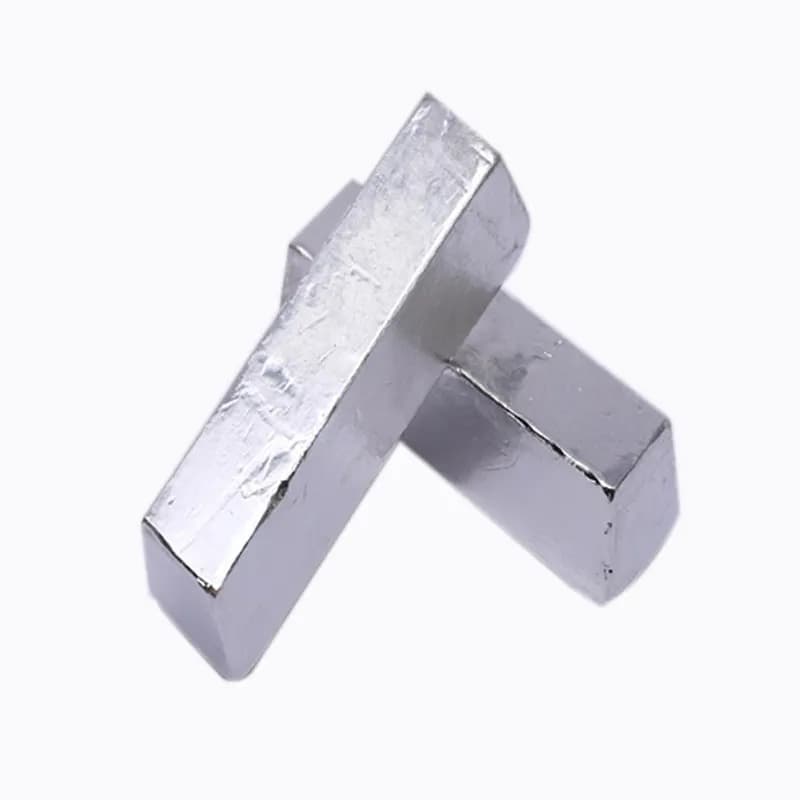
Ultra-High Purity Indium Ingot (99.99% min)
Refined 99.99% purity indium ingots. A critical material for ITO thin-film production, high-performance semiconductors, low-melting point alloys, and vacuum sealing applications.
Refined indium ingots at 99.99% minimum purity, for ITO thin-film production, high-performance semiconductors and low-melting point alloys.
Technical Specifications
Product Overview
These are refined indium ingots at a minimum purity of 99.99%. Indium is a soft, silvery metal that is almost never used structurally — its value lies in two properties that are difficult to reproduce with anything else: it forms a transparent conductive oxide, and it produces alloys with unusually low melting points.
The first property is what puts indium into every flat panel display and touchscreen. Indium tin oxide, usually called ITO, is both electrically conductive and optically transparent, which is the combination that makes a transparent electrode possible. The second property puts indium into solders and sealing alloys that have to flow at temperatures the surrounding components cannot survive.
Typical Applications
Refined indium is consumed in:
- Indium tin oxide (ITO) sputtering targets for displays and touchscreens
- Compound semiconductors and optoelectronic devices
- Low-melting point solders and fusible alloys
- Vacuum sealing and cryogenic gasket alloys
- Thin-film photovoltaic and coating applications
Grades, Purity and What to Specify
For ITO and semiconductor work the critical consideration is the trace element profile, not the purity figure alone. Tin, iron, copper and thallium at very low levels affect film quality and device performance, so a producer working to a four-nines specification may still impose individual element limits.
State the intended application at enquiry stage and the downstream process — sputtering target manufacture, alloy melting, or sealing — because the form the indium is supplied in and the lot selection both depend on it. Include the tonnage, the ingot weight and the destination port.
Packaging and Loading
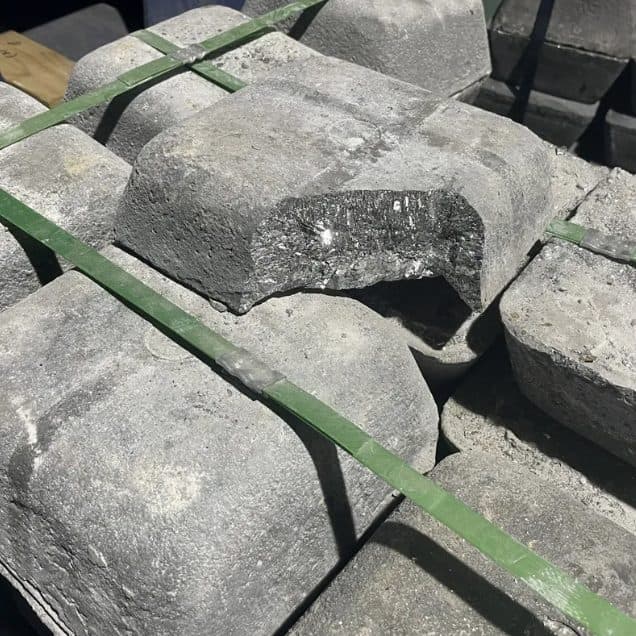
Indium ingots are supplied strapped in bundles or on pallets, packed to protect against moisture and impact during transit. Packing form and loaded weight per container are confirmed with the quotation.
Quality, Inspection and Documentation
Every lot ships with a certificate of analysis stating the full chemical composition, produced under an ISO 9001:2015 quality management system. That is more than the headline purity figure: it is the residual elements that decide whether two lots at the same stated purity behave the same way in your process.
You can nominate an independent inspection agency — SGS and BV are the two we handle most often — for pre-shipment sampling, weight verification and container sealing. The report is issued to you rather than to us, and you are equally welcome to send your own representative.
Standard export documentation covers the commercial invoice, packing list, certificate of origin and bill of lading, alongside the chemical composition report. If your market requires an additional declaration, tell us at quotation stage rather than after the container is sealed. See the terms of service for how inspection and claims are handled.
Frequently Asked Questions
What purity is the indium ingot?
99.99% minimum, supplied as refined ingots at refined grade and accompanied by a chemical composition report.
Why is indium used in touchscreens and displays?
Indium tin oxide is both electrically conductive and optically transparent, which makes a transparent electrode possible. That combination is what puts indium into flat panel displays, touchscreens and thin-film coatings.
Can individual trace elements be held to limits?
Yes, and for ITO and semiconductor work it is usually necessary. Elements such as tin, iron, copper and thallium affect film quality at very low levels, so tell us the limits your process requires at enquiry stage.
Technical Guides for This Product
Sourcing
Buying Minor Metals: What Changes Once You Move Off Copper and Aluminium
A buyer who moves from copper cathode or aluminium ingot to tin, nickel or indium finds that almost none of the purchasing habits carry over. The unit of trade shrinks from the container to the pallet, the price reference changes, the packaging inverts, and the purity figure on its own stops being a sufficient specification.
5 min readSourcing
The Document Set Behind a Metal Shipment, and What Each One Proves
A metal shipment is traded twice: once on the specification, and once on the paperwork. The second trade is the one that decides whether the container clears, and it is the one buyers see least of until something turns out to be missing.
6 min readRelated Products