How Non-Ferrous Metal Prices Are Set: LME, Premiums and Discounts
A price for copper, aluminium, lead or zinc is not one number. It is a reference price with several adjustments around it, and knowing which adjustments are in play is the difference between comparing two quotations and comparing two guesses.
The reference price
Copper, aluminium, lead, zinc, nickel and tin are all traded on the London Metal Exchange, and the LME price is the reference most physical contracts are written against. A quotation normally names both the reference and the basis: the cash settlement price, the three-month price, or an average over a stated period.
Which basis is used matters a great deal. A quotation against the cash price and one against a monthly average can differ materially in a moving market, and the difference is not a mark-up by either party — it is two different things being priced. The first line to read in any quotation is which reference it follows.
Where a contract runs over several shipments, the pricing period is usually stated explicitly — for example, the average of the daily cash settlement over the month of shipment. That wording converts a volatile price into a figure both sides can calculate without further negotiation.
Scrap is priced as a discount
Scrap is not quoted at the metal price; it is quoted at a discount to it. The discount reflects what it costs to turn the delivered material into usable metal: the processing required, the recovery rate, and the impurities that have to be removed.
That is why different scrap grades carry different discounts against the same underlying metal. Clean, uncoated, unalloyed wire needs almost nothing done to it and sits close to the reference. Material that must be sorted, de-coated or de-tinned sits further away, and the gap widens with the work implied.
The discount also moves with the market independently of the metal price. When demand for a particular grade is strong the discount narrows; when demand is weak it widens. Two quotations a month apart can show an identical LME figure with quite different discounts — and it is the discount, not the metal, that has moved.
Premiums, and why they exist
Ingot and refined metal are frequently quoted at a premium over the reference price. The premium covers the difference between a standard exchange deliverable and the form actually wanted: a particular shape, a particular ingot weight, specific packaging, a named delivery location, or a narrower analysis.
Premiums are usually quoted per tonne and are negotiated rather than published. They are not a mark-up on the metal's value; they are the cost of the physical service attached to it. Two quotations for the same grade should therefore be compared on their premiums, their delivery terms and their analysis together, because those are what the premium is paying for.
Freight, terms and the rest of the quotation
Two quotations that appear to price the same material can differ entirely because of what is included. Whether the figure is FOB, CFR or delivered duty paid changes whose responsibility the freight and the risk are, and the difference between them is frequently larger than the difference in the metal price.
Reading a quotation properly means identifying the Incoterm, the port, the pricing basis, the payment terms, the packaging and the analysis included. A quotation that omits the payment terms is not yet a complete price: payment at sight against documents and deferred payment are not the same offer, and the metal price alone will not reveal the gap.
Currency is the remaining variable. Metal is referenced in US dollars, so a buyer settling in another currency carries an exposure between the pricing date and the settlement date — and a supplier quoting in a non-dollar currency has priced that exposure in.
How to compare two quotations properly
Comparing offers is mostly a matter of putting them on the same footing before reading the numbers.
- Normalise the basis — both quotations against the same LME reference and the same pricing period.
- Normalise the delivery — same Incoterm and same port, so freight and risk sit in the same place.
- Compare the discount or premium separately from the reference price; a narrower discount is a real gain even when the metal price moves against you.
- Compare the analysis, the packaging and the lot size, since those are what the premium is actually buying.
- Compare payment terms last, because the difference between them is a cost even though it does not appear as one.
What this means at the negotiating table
Doing the above turns a comparison of two headline numbers into a comparison of two offers, and it also makes clear which parts of a quotation are negotiable and which are simply the market. Nobody can negotiate away the LME. The premium, the terms and the delivery arrangement are all open to discussion.
That is the practical use of understanding the structure: it tells you where a conversation can change the outcome, and where it cannot.
Frequently Asked Questions
Is scrap priced at the LME price?
No. Scrap is priced at a discount to the LME reference, because the delivered material has to be processed before it can be used. The discount reflects the processing required, the recovery rate and the impurities present, and it moves with demand for that grade — so it can change even when the LME price does not.
What is a premium in a metal quotation?
A premium is an amount per tonne above the reference price, covering the difference between a standard exchange deliverable and the form actually required: shape, ingot weight, packaging, delivery location or a narrower analysis. Premiums are negotiated rather than published, and comparing them is part of comparing two quotations fairly.
Why do two quotes for the same grade differ so much?
Usually because they are not pricing the same thing. Check the pricing basis and period, the Incoterm and port, the packaging and lot size, the analysis provided and the payment terms. Any one of those can account for a difference larger than the metal price itself, and a quotation that leaves them out is not yet a comparable offer.
Products Referred to in This Guide
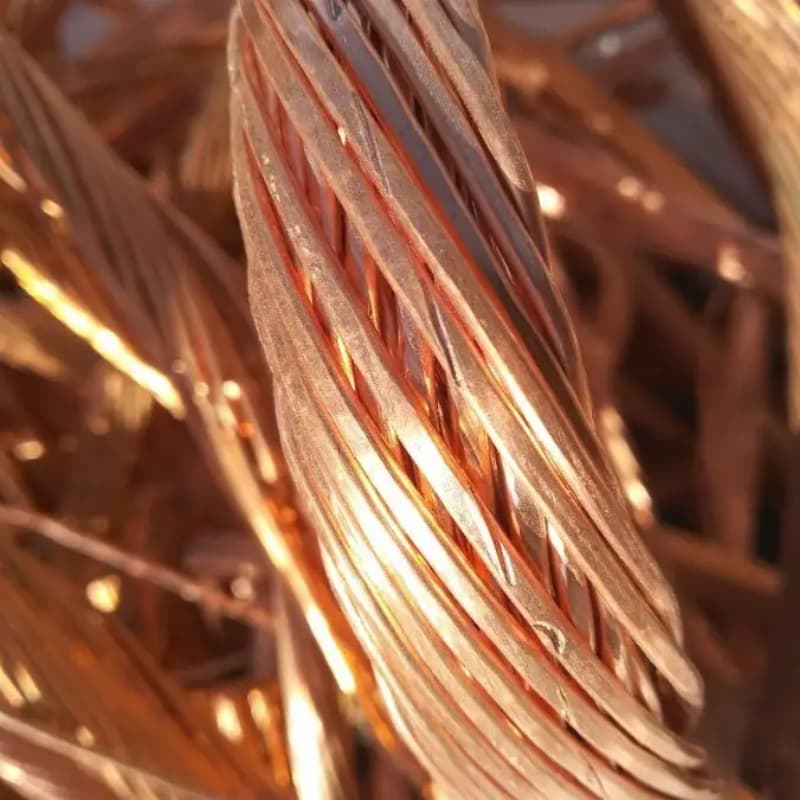
Top-Quality Copper Wire Scrap (99.99%)
Grade A bare bright purple copper wire scrap, second-hand recovered, 99.99% Cu. Supplied as stranded bundles of about 10 cm diameter with 3 mm single wires.
Get Details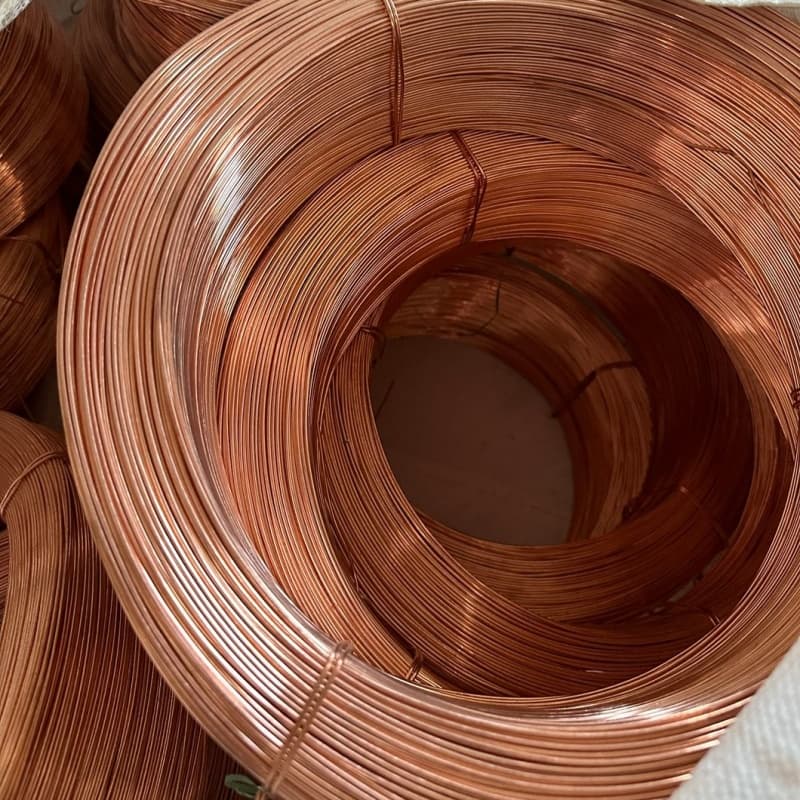
Pure 99.99% Copper Rod & Bar
High-conductivity pure copper rod for power transmission and electrical grounding. Bright surface finish with low oxygen content.
Get DetailsMore Guides
Copper
Copper Scrap Grades Explained: Millberry, Bare Bright, No. 1 and No. 2
Read the guideLogistics
How Many Tonnes of Metal Fit in a 20ft Container, and Where the Difference Goes
Read the guideCopper
Copper Cathode Grade A: What LME Registration and ASTM B115 Actually Require
Read the guideHave a specification to price?
Send us the grade, the tonnage and the destination port. You will get a landed-cost figure rather than a unit price, and you can nominate the inspection agency that releases the lot.