Buying Minor Metals: What Changes Once You Move Off Copper and Aluminium
A buyer who moves from copper cathode or aluminium ingot to tin, nickel or indium finds that almost none of the purchasing habits carry over. The unit of trade shrinks from the container to the pallet, the price reference changes, the packaging inverts, and the purity figure on its own stops being a sufficient specification.
Why the logic changes with unit value
Copper and aluminium trade in volume: exchange prices move daily, sellers compete on a premium over a published reference, and a full container is the natural unit of sale. Minor metals work differently. The annual market for some of them is measured in hundreds of tonnes rather than millions, production is concentrated in a handful of works, and the price a buyer sees is quoted per kilogram against a thinner, less public reference market.
The consequences reach into every part of the transaction. Order quantities are set by packaging units rather than container loads, and part-container shipments are normal rather than exceptional. Where the metal sits in the buyer's process matters more than how cheaply it can be moved, because a kilogram of one of these metals can carry more value than a tonne of remelt ingot — the whole handling conversation inverts.
The metals, and the form they travel in
Each minor metal has a natural delivery form, and it is worth confirming the form as well as the purity, because downstream melting and alloying equipment assumes one of them.
- Tin — ingot, into solder, tinplate and the alloying trades; the closest of the group to mainstream trading practice.
- Nickel — electrolytic cathode or cut cathode, feeding stainless and alloy production, where plate geometry affects furnace charging.
- Cobalt — plate or sheet, into battery precursors and superalloys, bought on physical form as well as assay.
- Antimony — ingot, into flame retardants, lead alloys and glass clarification.
- Magnesium — ingot in 7.5 kg or 15 kg blocks, into alloying and die casting; light enough that volume, not weight, fills the freight.
- Bismuth — ingot, into pharmaceuticals, fusible alloys and metallurgical additives, where lot traceability matters as much as assay.
- Indium — ingot, into ITO targets and compound semiconductors, where the trace-element profile decides fitness more than the headline purity.
Packaging runs in the opposite direction
Container-scale metals are packed to survive handling: one-tonne bundles, edge protection, strapped bulk loads. Minor metals are packed to survive time. Drums, wooden cases and sealed inner bags exist to keep moisture out, oxidation down and the lot identifiable months after it left the works.
Value density explains the difference. Damage to a bundle of bulk ingots costs a fraction of a percent of the load; a punctured drum of high-value metal can concentrate a serious loss into one package. Sealed moisture barriers, tamper-evident closures and per-package labelling are standard for exactly that reason, and a buyer whose storage is humid or whose warehouse turns over slowly should say so, because packing can be adjusted for it.
Wooden cases and pallets also meet the heat-treatment requirement that importing countries impose on solid wood packaging, which is one more reason the case, and not only the metal, is a specification item.
What stays the same, and what gets sharper
The documentary frame does not change: commercial invoice, packing list, bill of lading and certificate of analysis travel with a minor-metal lot exactly as with a container of cathode. What sharpens is the weight basis and the sampling. When the lot is small and the unit value high, the difference between a gross and a net weight basis, or between two sampling points, is real money, so both belong in the contract rather than in the fine print.
Payment follows the same two-stage structure as everywhere else in physical metal trade — a deposit on signature and the balance against a copy of the bill of lading — because the reasoning behind it does not care about tonnage: the seller's cash is committed long before the goods leave the works.
Assay deserves one more paragraph than it usually gets. At these unit values a purity tolerance is a commercial term, and how the sample was drawn matters as much as the figure on the certificate. Naming the sampling method, and an independent agency where the buyer wants one, closes the last gap before shipment.
What the enquiry should state
- Metal, form and minimum purity, plus any element-by-element limits the process needs.
- Lot size in packaging units — drums or cases — rather than only in tonnes.
- Price basis and the reference the seller quotes against.
- Sampling and assay method, and whether an independent agency is to inspect.
- Packing specification, including moisture protection and pallet treatment.
- The documents required with the shipment, named individually.
Frequently Asked Questions
What is the minimum order for a minor metal?
It is set by the packaging unit rather than by an arbitrary threshold. Drums and cases define the practical minimum for each metal, and smaller volumes move as part-container or groupage freight, which raises the transport cost per kilogram. State the volume you actually need and the quotation will show how the lot size affects the landed cost.
Why is minor-metal packing different from bulk metals?
Value density and shelf life. A drum of high-value metal concentrates a large loss into one package, and several minor metals tarnish or oxidise if stored badly, so drums, wooden cases and sealed inner bags replace the strapped-bundle pattern used for container-scale ingots. Packing can be adapted to humid storage or slow warehouse turnover when it is known in advance.
Is a purity figure enough to buy a minor metal?
Rarely. Performance in most minor-metal applications is governed by specific trace elements rather than by the headline purity, so two lots at the same minimum purity can behave differently in the same process. Give the element limits your process requires and have them certified on the analysis rather than relying on the aggregate figure.
Products Referred to in This Guide
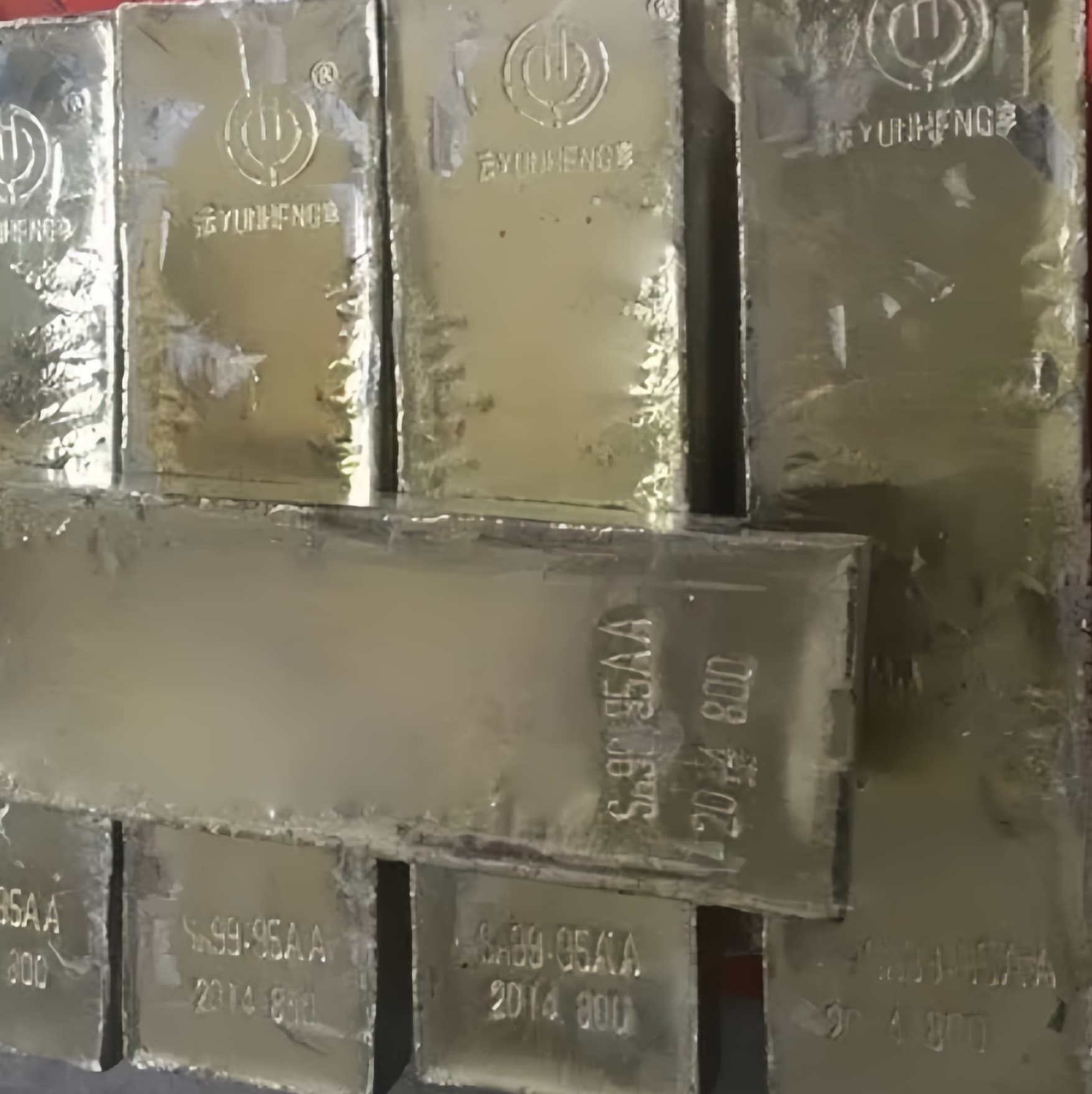
Sn 99.90% High Purity Tin Ingot
Reliable tin ingots for electronics soldering, food packaging, and alloy manufacturing. Excellent malleability and high purity (99.90% min).
Get Details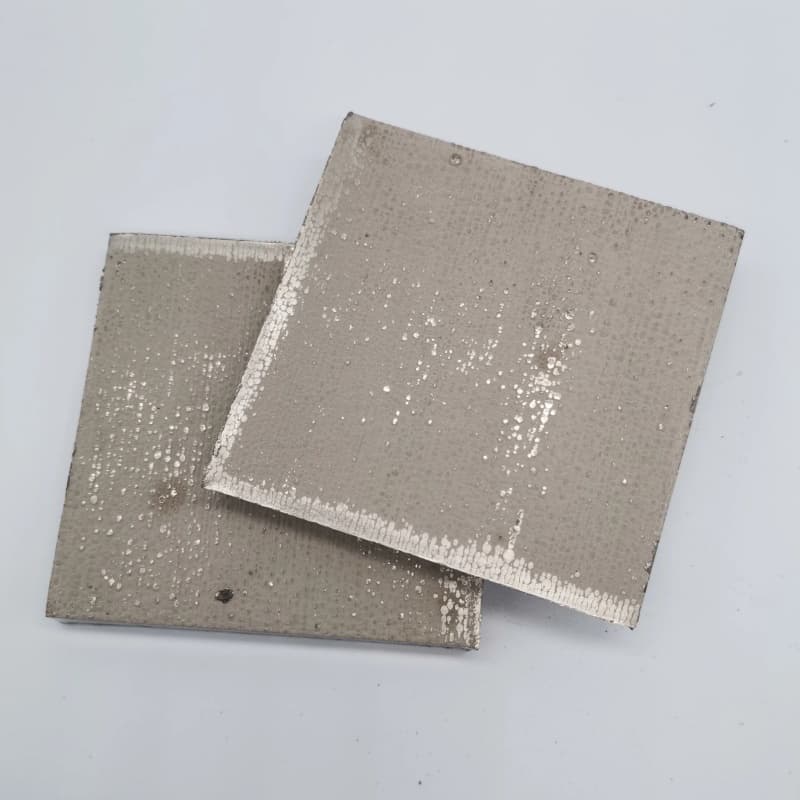
Electrolytic Nickel Cathode (99.9%)
High-purity nickel cathode sheets (99.9% min) for electroplating, battery production, and specialized steel alloys. Consistent quality for precision industrial applications.
Get Details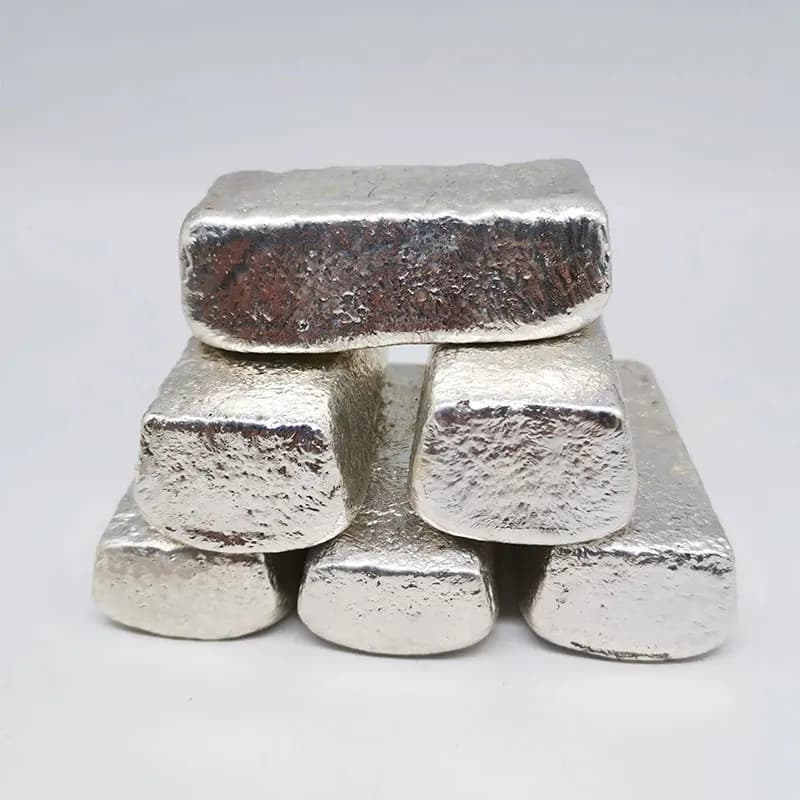
99.99% Magnesium Ingot Block
Lightweight and high-purity magnesium ingots (99.99% min). Essential for aerospace, automotive lightweighting alloys, and diverse chemical applications.
Get Details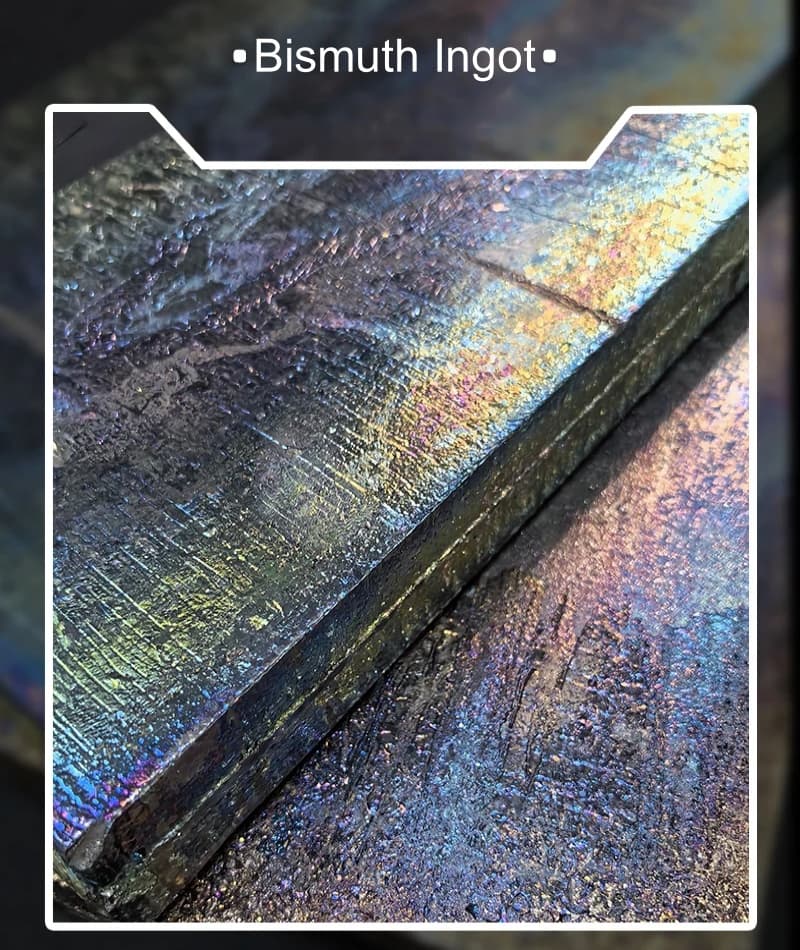
High-Purity 99.99% Bismuth Ingot
Premium 99.99% purity bismuth ingots. Widely used in fusible alloys, metallurgical additives, pharmaceuticals, and non-toxic replacement for lead in various industrial applications.
Get Details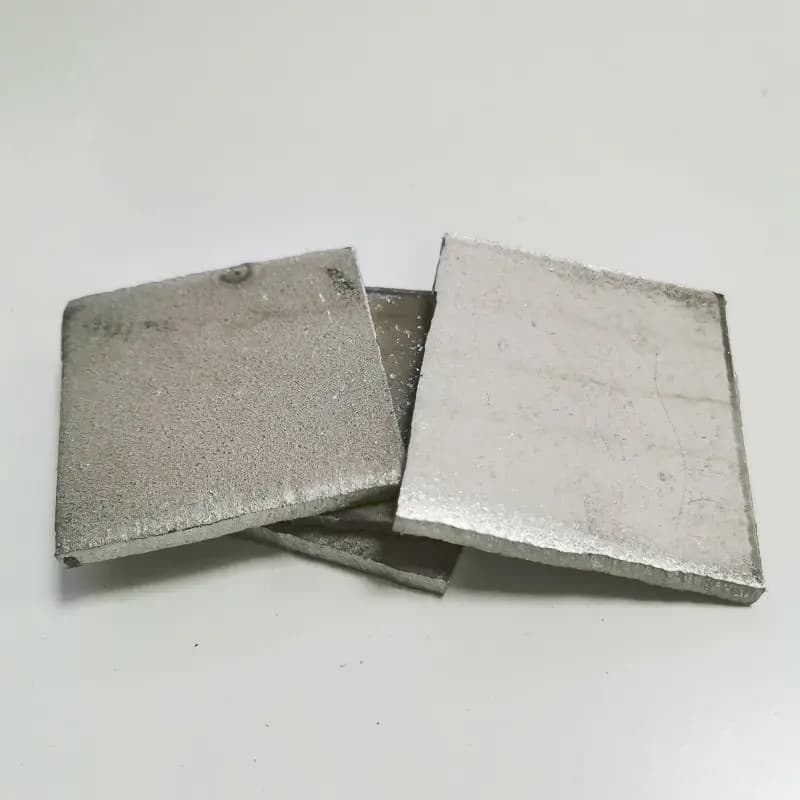
High-Quality Cobalt Plate / Sheet
Premium industrial-grade cobalt plates (99.9% min purity). Essential for high-strength alloys, aerospace engines, battery materials, and cutting tools.
Get Details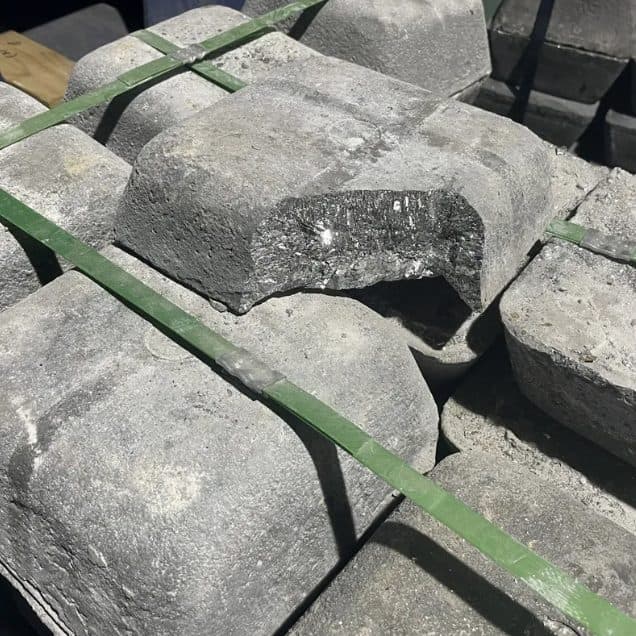
High-Purity Antimony Ingot (Sb 99.9% min)
Industrial grade antimony ingots (Sb 99.9% min). Primarily used as a hardening agent for lead in batteries, flame retardants, and various metallurgical alloys.
Get Details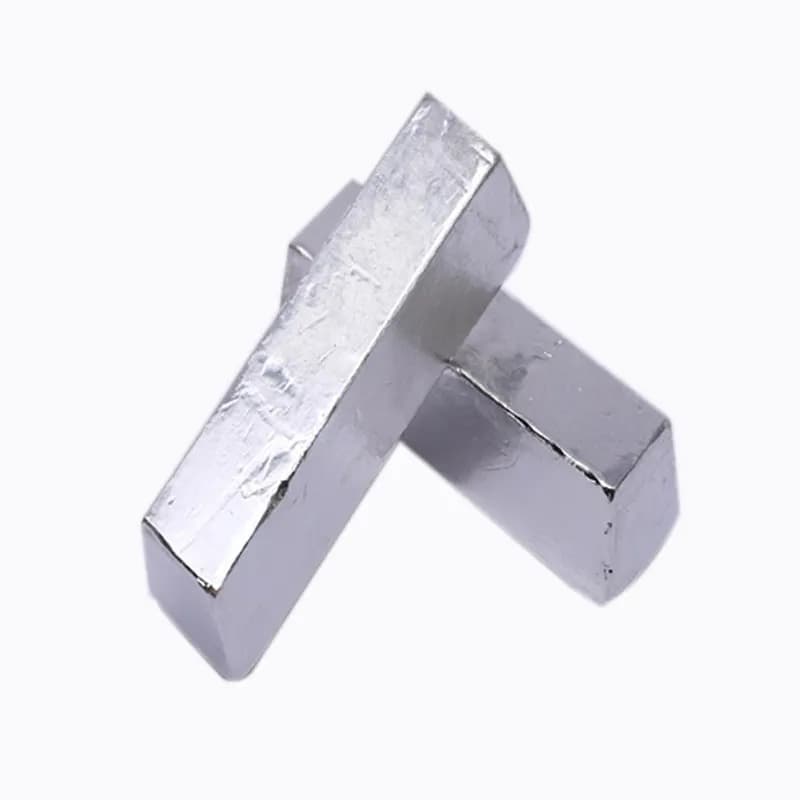
Ultra-High Purity Indium Ingot (99.99% min)
Refined 99.99% purity indium ingots. A critical material for ITO thin-film production, high-performance semiconductors, low-melting point alloys, and vacuum sealing applications.
Get DetailsMore Guides
Quality
How Metal Purity Is Verified Before a Shipment Leaves
Read the guideCopper
Copper Scrap Grades Explained: Millberry, Bare Bright, No. 1 and No. 2
Read the guideAluminum
Aluminum Ingot Grades Explained: What A7, A8 and A9 Mean
Read the guideHave a specification to price?
Send us the grade, the tonnage and the destination port. You will get a landed-cost figure rather than a unit price, and you can nominate the inspection agency that releases the lot.