AAC, AAAC or ACSR: What to Write in the Enquiry, Not Which One Is Best
The three overhead conductor families are easy to tell apart and hard to buy wrong — provided the enquiry says what the line design assumes. Most conductor quotations stall not because the buyer chose the wrong construction, but because the enquiry left out a number the supplier needs before a price can stand.
Three constructions, one paragraph each
AAC — all-aluminium conductor — is a concentric-lay stranding of hard-drawn pure aluminium wires, typically 1070A or the equivalent 1350 grade, chosen where conductivity per unit cost matters more than tension and spans run short to medium.
AAAC — all-aluminium alloy conductor — swaps pure aluminium for a magnesium-silicon alloy and gains tensile strength without any steel, which suits coastal and polluted routes where steel-cored constructions corrode first.
ACSR — aluminium conductor, steel-reinforced — carries the mechanical load on a galvanised steel core with aluminium layers over it for conductivity, and is the standard answer for long spans and high tensions. Which of the three a line uses is an engineering decision made long before procurement is involved. What procurement is left with is a different task: turning that decision into a specification the supplier can quote against line by line.
The seven items a conductor enquiry has to carry
A conductor section is fully defined only when seven figures travel together. Leave one out and the supplier has to assume it, and an assumption inside a quotation is a discrepancy waiting for the goods-in inspection.
- Nominal cross-section in mm2 — the figure the whole industry names conductors by.
- Stranding: the number of wires and each wire's diameter, written as 19 x 4.5 mm for the common AAC 300 construction.
- Overall diameter after stranding — 22.5 mm for AAC 300 — which decides the reel dimensions.
- Calculated mass per kilometre — 810.9 kg for AAC 300 — which drives the freight calculation.
- Rated tensile strength, the figure the stringing design works from.
- Maximum DC resistance at 20 C, the figure the electrical design works from.
- The governing standard and edition, named in the contract.
The same conductor under three standards
Chinese production runs to GB/T 1179, where the constructions appear under the JL naming — JL for all-aluminium types, JL/G1A and its variants for the steel-cored ones. International buyers more often hold IEC 61089 or the ASTM series, with B231 covering AAC and B232 ACSR.
The standards are not word-for-word translations of each other, but the constructions map across, and an experienced supplier can take a schedule written to one and quote it against another. What must survive the translation intact are the physical numbers from the list above: section, stranding geometry, mass, resistance and breaking load. Where a buyer states only the standard and the designation, small naming differences between standards can turn into a different construction on the order.
The practical move is to send whichever document the line design produced and let the supplier confirm the mapping in writing rather than assume it. A quotation that names both the original designation and the equivalent construction can be checked by both sides before the order is placed.
Reel length is a freight decision, not a detail
Conductor is wound on seaworthy reels, and the metres-per-reel figure sits at the intersection of three constraints: the site's handling equipment, the stranding machine's continuous length, and the container plan.
The reel for the reference AAC 300 construction measures roughly 450 x 1100 x 930 mm and carries about 1.2 to 1.3 tonnes of conductor, so a container planned to its usual metal load of around 25 tonnes holds on the order of twenty reels. Change the reel length and both the reel count and the discharge arrangement change with it.
This is why reel size and drum length belong in the enquiry rather than in the shipping instruction afterwards. The guide on how much metal a container takes covers the weight side of that plan; the conductor-specific point is that reels are the unit of loading, so metres per reel is effectively a logistics parameter.
Why a bare construction name cannot be quoted
An enquiry that says only ACSR cannot be priced responsibly, and the reason is the aluminium-to-steel ratio. Two ACSR conductors of the same nominal section can carry very different steel contents, and the steel changes the mass, the breaking load, the price and the reel plan at once.
The same applies to alloy types and tempers. The conductor schedule from a tender — the table listing each line's construction, section and length — is the single most useful document a buyer can send, because it answers the seven specification questions for every item at once and removes the assumptions from the quotation.
Frequently Asked Questions
Which standard is AAC conductor made to?
Production in China follows GB/T 1179, with constructions equivalent to IEC 61089 and the ASTM B231 series. State whichever standard your design is written to and the physical figures — section, stranding, mass, resistance and breaking load — will confirm the mapping. Naming the edition avoids drift between revisions.
How many metres of conductor fit on one reel?
It follows from the construction and the reel dimensions agreed for the order. For the reference AAC 300 construction the seaworthy reel carries roughly 1,200 to 1,270 kg. Reel dimensions can be matched to your site handling equipment when stated at enquiry stage, and are confirmed with the quotation.
Can AAAC replace ACSR?
Sometimes, and the decision belongs to the line designer rather than the buyer, because it turns on span, tension and environment. AAAC takes its strength from the alloy itself, which removes the steel that corrodes first on coastal routes; steel-cored constructions hold tension more economically on long spans. Send the design assumptions with the enquiry and the construction follows from them.
Products Referred to in This Guide
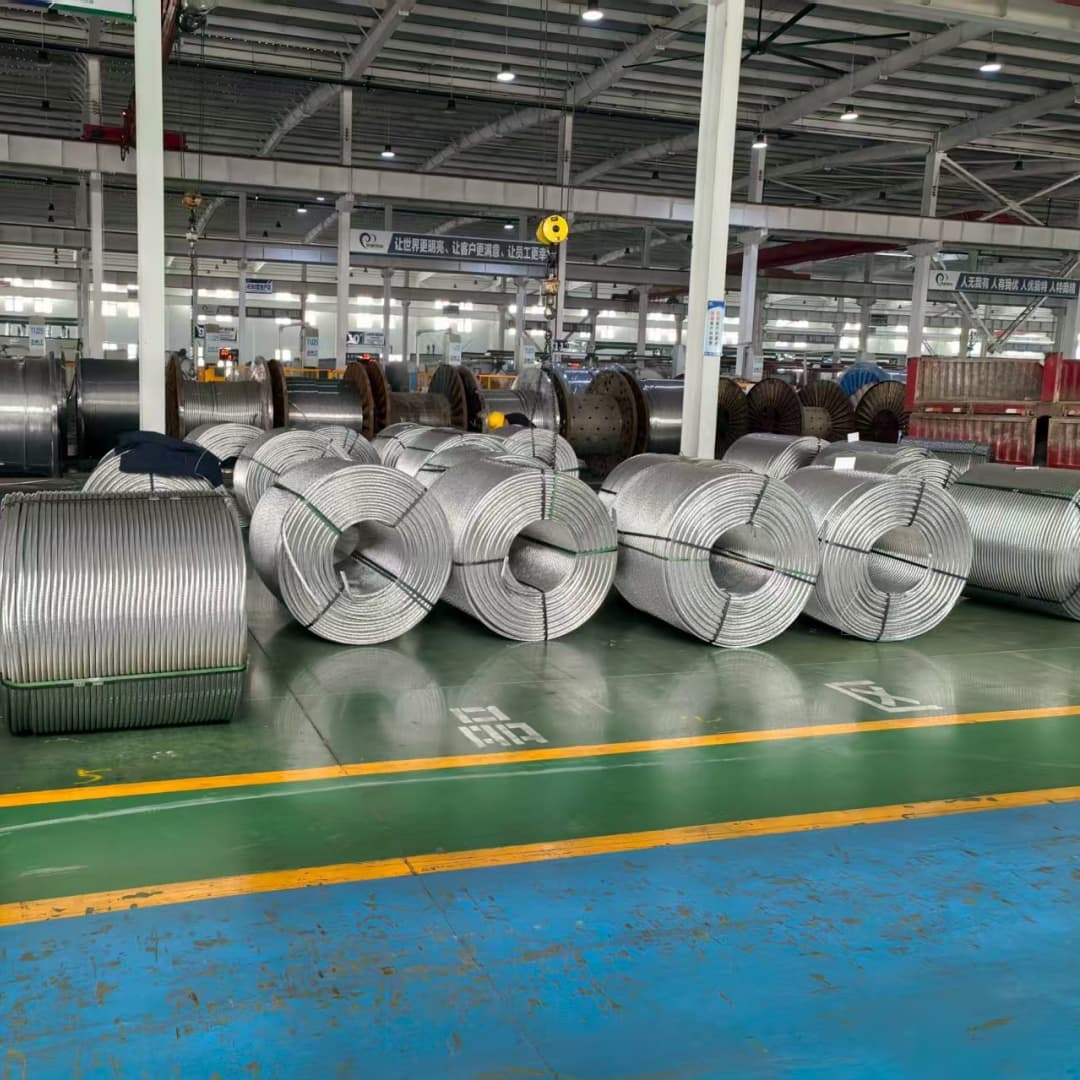
Aluminum Stranded Wire (AAC / ACSR)
Bare aluminum stranded conductor for overhead transmission: AAC in 1070A pure aluminum (99.7% min) and ACSR with steel core for longer spans. 10-630 mm2, to GB/T 1179 and IEC 60228, supplied on seaworthy reels.
Get Details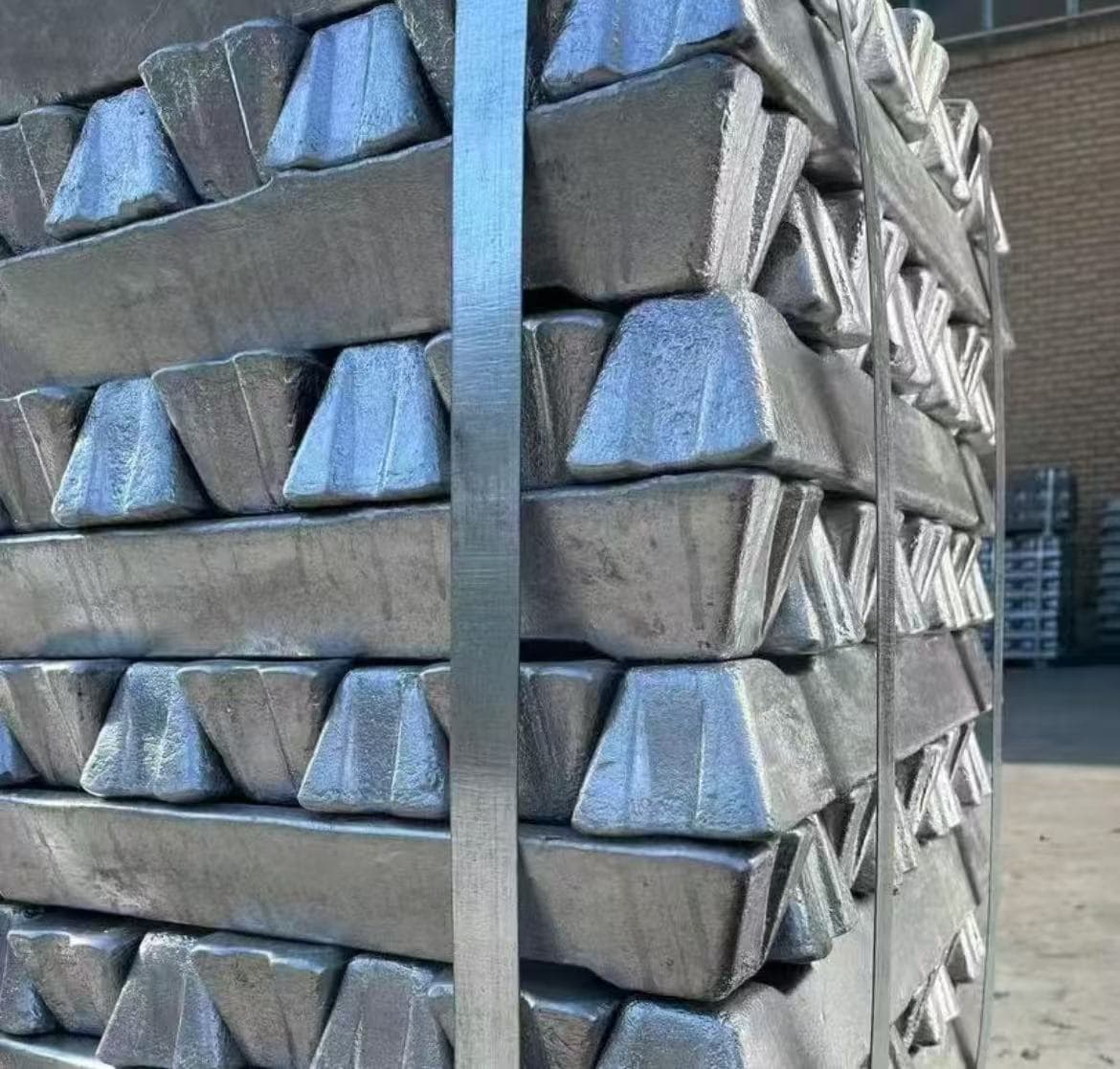
High Purity Aluminum Ingot (A7, A8, A9)
Professional grade aluminum ingots for remelting, produced via molten salt electrolysis. Available in A7 (99.7% min), A8 (99.8% min), and A9 (99.9% min) purity levels. Meets GB/T1196-2002 national standards. The surface of the ingot is clean and smooth.
Get DetailsMore Guides
Aluminum
Aluminum Ingot Grades Explained: What A7, A8 and A9 Mean
Read the guideCopper
Copper Scrap Grades Explained: Millberry, Bare Bright, No. 1 and No. 2
Read the guideHeavy Metals
Lead and Zinc Ingot Purity Grades, and What the Extra Decimals Change
Read the guideHave a specification to price?
Send us the grade, the tonnage and the destination port. You will get a landed-cost figure rather than a unit price, and you can nominate the inspection agency that releases the lot.