How Many Tonnes of Metal Fit in a 20ft Container, and Where the Difference Goes
Every metal enquiry runs into the same question sooner or later: how much of this actually goes in one box. The figure stamped on the container door is a ceiling rather than a plan, and for dense cargo the real limit is usually set somewhere else entirely.
What the container plate actually says
A standard 20-foot dry container is built to a maximum gross mass of about 30,480 kg. That is the weight of the box plus everything in it, and it is a structural limit set by the container herself, not by the shipping line. Subtract the tare weight stamped on the doors, commonly somewhere between 2.2 and 2.4 tonnes, and the payload lands near 28 tonnes.
Two caveats follow from that arithmetic. The first is that tare varies by build, so the plate on the specific container is the only figure that binds. The second is more useful: a 40-foot container is built to roughly the same maximum gross mass as a 20-foot, while weighing considerably more empty. Its payload is therefore slightly lower, not higher. A 40-foot buys volume, not weight.
Why a metal load lands near 25 tonnes
In practice a container of copper cathode, lead ingots or aluminium ingots is loaded well below the plate figure, and the reason has nothing to do with the box. Before a loaded container reaches a vessel it travels on a truck, and the road limits that apply to that truck are usually stricter than the container's own rating. The permissible gross vehicle weight for the combination, and the load allowed on each axle, are set by the countries at both ends of the journey.
Work backwards from the road rather than forwards from the plate: take the permitted gross vehicle weight, subtract the tractor, the chassis and the container's tare, and what remains is the figure the container can actually be loaded to. Carriers also apply their own limits per trade lane, which can be lower again. That is why a figure around 25 tonnes appears so often on metal shipments: it is the weight that survives the whole journey, not the weight the container could theoretically hold.
Even distribution matters as much as the total. A load concentrated at one end can overload a single axle while the combination is comfortably under its gross limit, and a one-sided load makes the box unstable in handling. Dense cargo is spread across the floor rather than stacked at the door end.
Metal is weight-limited, not volume-limited
For ingots, cathode and rod, the weight ceiling arrives while the floor is still visible. Unlike textiles or packaging, which run out of space long before they run out of payload, metal uses the payload first and leaves the cubic capacity unused. The practical consequence is that the constraint on a metal shipment is expressed in pieces and bundles rather than in cubic metres.
The published unit weights on this site illustrate the range: aluminium ingots and lead ingots at about 25 kg each, magnesium ingots at 7.5 kg or 15 kg, and aluminium stranded conductor on reels of roughly 1,200 to 1,270 kg. A load of light magnesium blocks and a load of lead ingots can be planned to the same total weight and still occupy very different amounts of the container.
The two decisions that fix the loaded weight
The first is packing form. The same metal can be supplied as strapped bundles, as jumbo bags, as stacked ingots on pallets or as coils, and each form has a different weight per unit and a different amount of air between the pieces. Because packing form drives the loaded weight so directly, it is settled at quotation stage and stated on the packing list rather than left to the loading day.
The second is what the receiving end can handle. A container loaded to the plate is not useful if the destination cannot lift the bundles off the floor, and a crane or forklift rated for two tonnes will not move a three-tonne bundle. The practical limits are the lifting capacity at the receiving warehouse, the floor loading the building allows, and whether the buyer intends to de-stuff the container at the port or move it intact to a factory.
The declaration that decides whether it sails
Since 2016 the SOLAS convention has required a verified gross mass for every packed container before it is loaded aboard. No verified figure, no loading. The shipper named on the bill of lading is responsible for it, even where a forwarder or packer does the weighing, and the figure must either be obtained by weighing the packed container or by adding together the weighed contents, packing and securing material and the tare.
This is a compliance obligation rather than a formality: terminals do reweigh, and a mis-declared container can be held, rolled to a later sailing or refused. The practical guidance for a buyer is straightforward. Fix the loaded weight at the quotation stage, have it confirmed against the packing list, and treat a change in packing form as a change in the loaded weight that needs to be re-agreed rather than an operational detail.
Settling the load before the booking
- Agree the packed unit weight and the number of units, rather than only the total tonnage.
- Confirm which road and axle limits apply at the destination, since those usually decide the real ceiling.
- Check the lifting capacity and floor loading at the receiving site against the bundle or reel weight.
- Fix the payload figure in writing before the booking, and make sure the packing list matches it.
- Confirm who produces the verified gross mass and by which of the two permitted methods.
Frequently Asked Questions
How many tonnes does a 20ft container hold?
The plate payload is commonly around 28 tonnes, but for metal exports the loaded weight is usually planned lower, around 25 tonnes, because road and axle limits at either end bind before the container does. Tare varies by build, so the CSC plate on the actual container is the reference, and the carrier's own lane limit may be lower again.
Does a 40ft container carry more weight than a 20ft?
No. Both are built to roughly the same maximum gross mass, and the 40ft weighs more empty, so its payload is slightly lower. A 40ft buys volume rather than weight, which is why dense cargo such as copper cathode, ingots and rod is normally shipped in 20ft boxes.
Why must the loaded weight be declared before shipment?
Under the SOLAS convention the shipper named on the bill of lading must provide a verified gross mass for every packed container before it is loaded. The figure has to be weighed, or derived from weighed components under an approved procedure, and it cannot be estimated from the invoice. A container without one is not loaded.
Products Referred to in This Guide
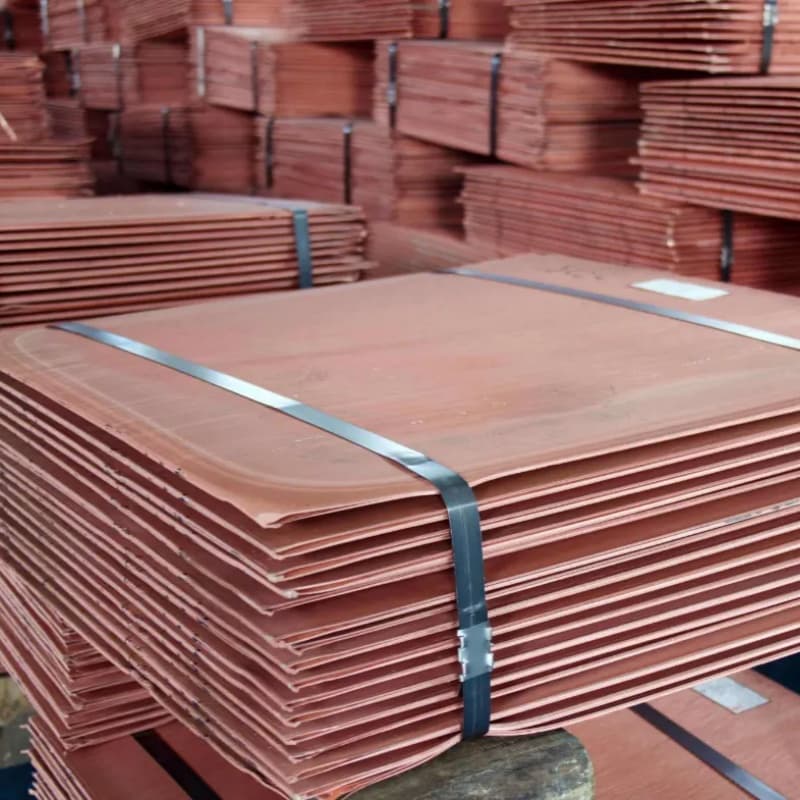
99.99% Electrolytic Copper Cathode
Premium quality electrolytic copper cathode with 99.99% purity. High conductivity cathode sheet used extensively in electrical industries and alloy production.
Get Details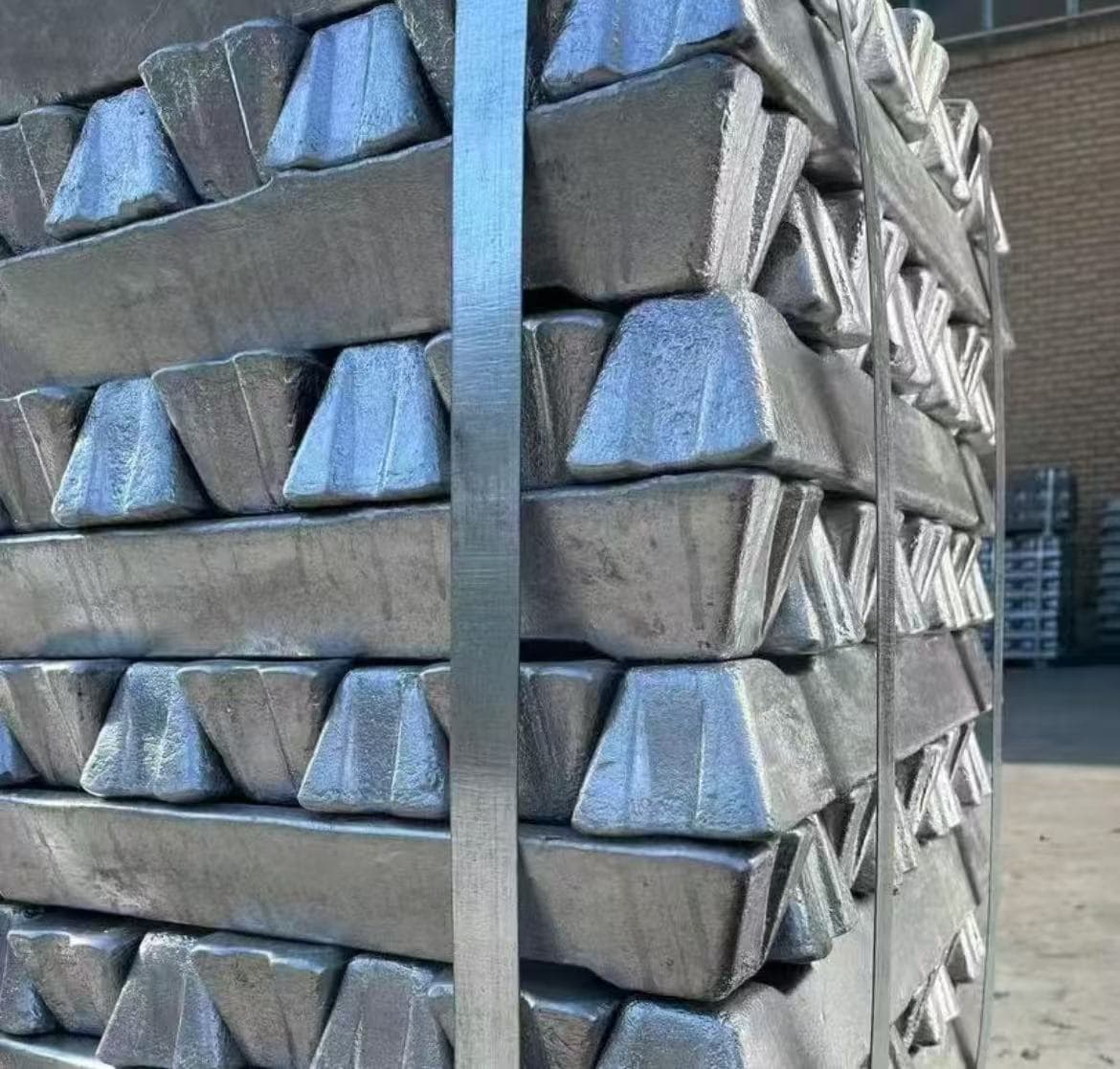
High Purity Aluminum Ingot (A7, A8, A9)
Professional grade aluminum ingots for remelting, produced via molten salt electrolysis. Available in A7 (99.7% min), A8 (99.8% min), and A9 (99.9% min) purity levels. Meets GB/T1196-2002 national standards. The surface of the ingot is clean and smooth.
Get Details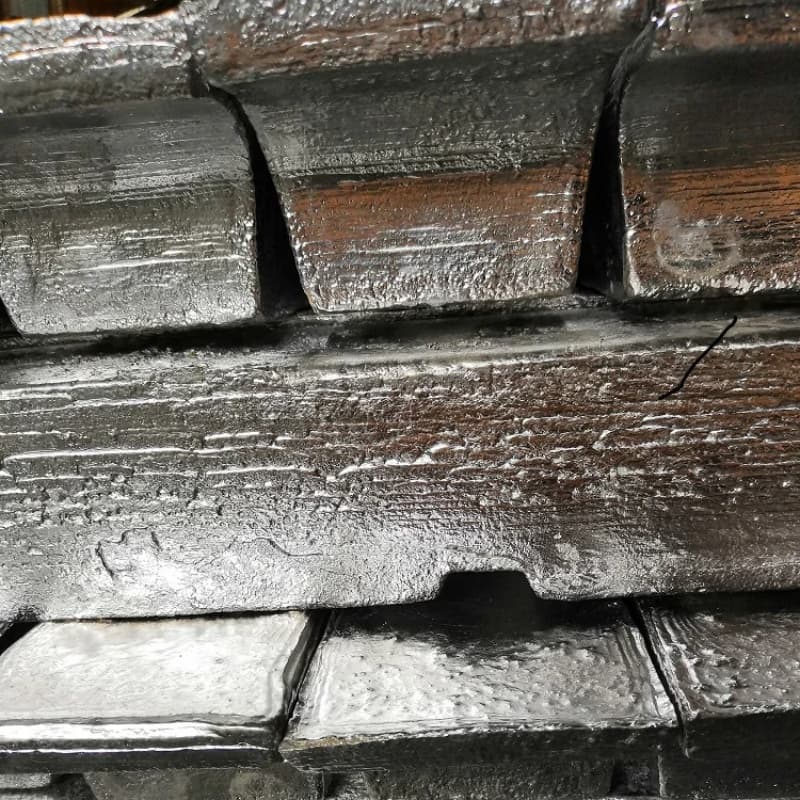
High-Purity 99.994% Lead Ingot
Standard high-purity lead ingot for battery production, radiation shielding, and industrial alloys. High density and reliable quality with competitive pricing.
Get Details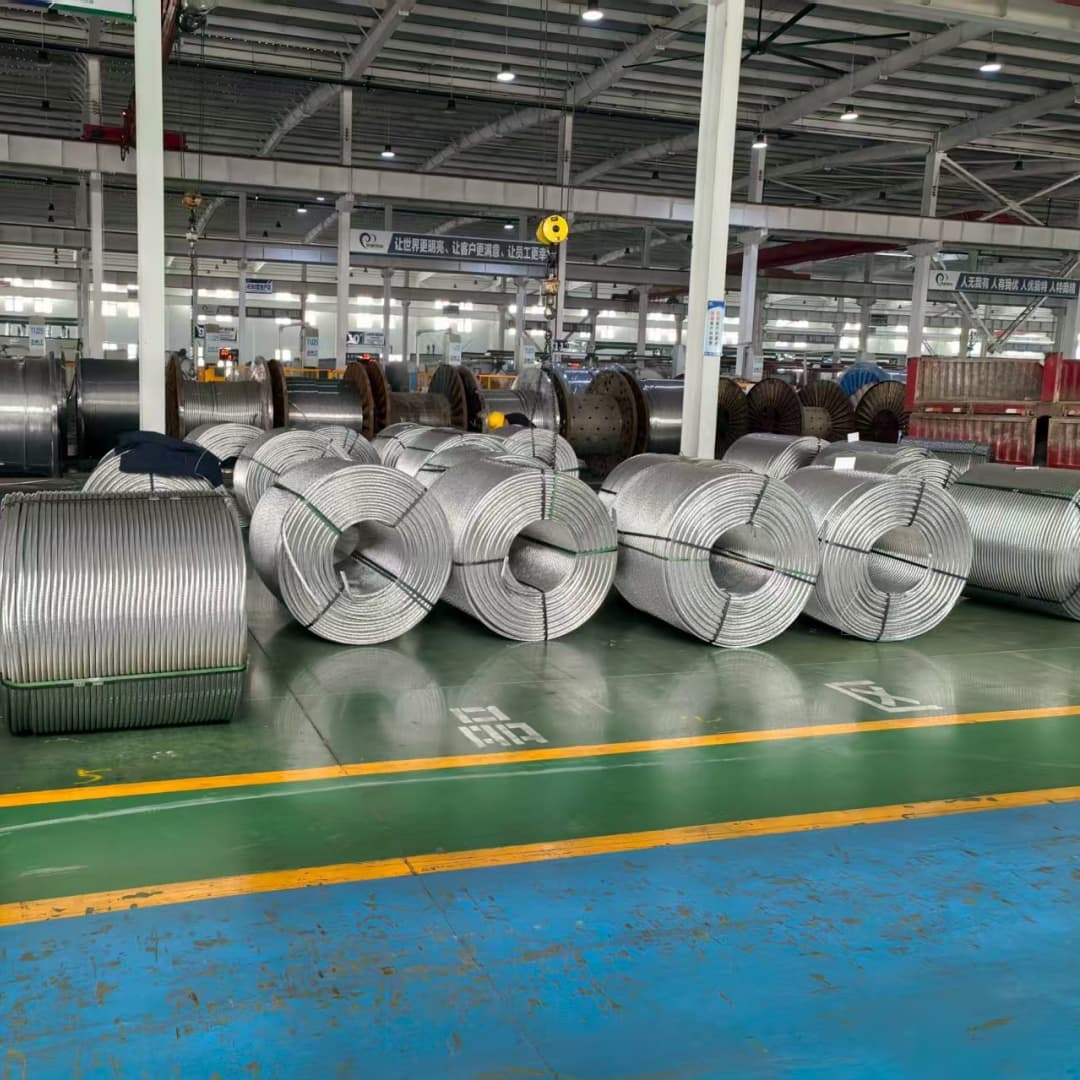
Aluminum Stranded Wire (AAC / ACSR)
Bare aluminum stranded conductor for overhead transmission: AAC in 1070A pure aluminum (99.7% min) and ACSR with steel core for longer spans. 10-630 mm2, to GB/T 1179 and IEC 60228, supplied on seaworthy reels.
Get DetailsMore Guides
Copper
Copper Scrap Grades Explained: Millberry, Bare Bright, No. 1 and No. 2
Read the guideSourcing
How Non-Ferrous Metal Prices Are Set: LME, Premiums and Discounts
Read the guideCopper
Copper Cathode Grade A: What LME Registration and ASTM B115 Actually Require
Read the guideHave a specification to price?
Send us the grade, the tonnage and the destination port. You will get a landed-cost figure rather than a unit price, and you can nominate the inspection agency that releases the lot.