Aluminum Ingot Grades Explained: What A7, A8 and A9 Mean
A7, A8 and A9 are three grades of primary aluminium ingot distinguished by how much aluminium they contain and how much iron and silicon they carry. The difference on paper is small. In a furnace it is not. Here is what separates the three, and how to decide which one a job actually needs.
What the A numbers mean
The A7 / A8 / A9 naming comes from the Chinese national standard for aluminium ingots, where the figure after the A denotes the minimum aluminium content: A7 is 99.7% minimum, A8 is 99.8% and A9 is 99.9%. They are not so much a ladder of quality as three purities with different allowances for impurities — and the impurities that matter most are iron and silicon.
Because the gaps are measured in tenths of a percent, the grades are easy to treat as interchangeable. They are not. What is left after the aluminium is what determines how the metal behaves when it is melted, alloyed, rolled or cast, and in some processes the difference between A7 and A9 is the difference between a part that passes and one that does not.
Ingots are supplied in standard weights, commonly around 6 kg, 7.5 kg, 15 kg and 22.5 kg per ingot. The weight is usually chosen to suit the charging equipment at the works rather than the analysis, which is why it belongs in the quotation alongside the grade.
Iron and silicon: the two that decide acceptance
Iron and silicon are the impurities that most often determine whether a grade is acceptable for a given job. In general-purpose casting they are tolerable within limits. In applications where conductivity or formability matters, they are not.
Iron raises strength and hardness and reduces ductility and electrical conductivity. In small controlled amounts it is deliberate — most casting alloys contain iron by design. Present as an uncontrolled impurity in metal intended for a low-iron application, it is a defect. Wrought products and conductor stock are the usual cases where iron content is held tight.
Silicon behaves in much the same way: useful in casting alloys, undesirable above trace level in metal destined for rolling or for electrical use. Both elements are reported as percentages on the certificate of analysis, which is why the certificate, and not the grade label, is what a buyer checks against the drawing or the process specification.
Which grade for which job
Read as a progression from cheapest to most tightly specified, the three grades map onto fairly distinct uses.
- A9 (99.9% minimum) — the highest of the three. Specified where iron and silicon must stay lowest: conductor-related work, demanding wrought applications, and alloying where the starting metal must not contribute impurities to the melt.
- A8 (99.8% minimum) — the middle grade. A common general-purpose choice for casting and alloying where a modest iron and silicon content is acceptable.
- A7 (99.7% minimum) — the widest used of the three. Suited to general casting, deoxidation and alloying where the specification does not hold iron and silicon to tight limits.
Reading the choice the other way round
In practice the decision runs in the opposite direction to the list above: choose the lowest grade the job tolerates, then confirm it against the iron and silicon limits in your own specification rather than against the headline percentage.
This is the step that gets skipped. If a drawing calls for a maximum iron content, the grade name alone does not tell you whether a lot passes — the certificate does. A supplier shipping to a stated maximum needs to know that figure at the quotation stage, not at delivery.
Why the purity difference is worth paying for
The premium between A7 and A9 is small per tonne and looks like an easy saving to take. The calculation usually goes wrong at the furnace rather than at the ingot. If an impurity in the charge pushes the finished alloy outside specification, the cost is not the price difference on the metal — it is the whole heat, plus the time and the rework.
There is also a consistency argument. A supplier who can deliver the same grade with the same iron and silicon levels on every shipment lets a foundry keep its process parameters fixed. A cheaper grade that varies shipment to shipment forces adjustment on every charge, and that adjustment is the hidden cost of the saving.
What to require in a quotation
In a quotation for aluminium ingot, the grade is the opening term rather than the whole specification. What a buyer should expect to see is the grade, the ingot weight, the iron and silicon limits, the form of packing, and what analysis accompanies the shipment.
Where material is bought against an incoming inspection, the inspection clause is worth stating at the quotation stage: who takes the sample, which laboratory analyses it, and what happens if the result misses the specification. Agreeing that before the container is loaded costs nothing; agreeing it afterwards costs a great deal.
Frequently Asked Questions
What is the difference between A7, A8 and A9 aluminium ingot?
The number denotes minimum aluminium content: A7 is 99.7%, A8 is 99.8% and A9 is 99.9%. The practical difference between them is the allowance for iron and silicon, which tightens as the grade rises. For general casting and alloying A7 is usually sufficient; A9 is specified where the metal must not contribute iron or silicon to the finished product.
Is A9 the same as 99.9% pure aluminium?
A9 is specified at 99.9% aluminium minimum. It is a commercial purity designation rather than an analytical guarantee of any individual lot, so the certificate of analysis on the delivered material is what confirms the actual figures, including the separate iron and silicon values.
What size are aluminium ingots supplied in?
Standard ingot weights are commonly around 6 kg, 7.5 kg, 15 kg and 22.5 kg. The weight is normally chosen to suit the charging equipment at the works, so it is worth stating a preferred figure when requesting a quotation instead of accepting whatever is standard at the time.
Products Referred to in This Guide
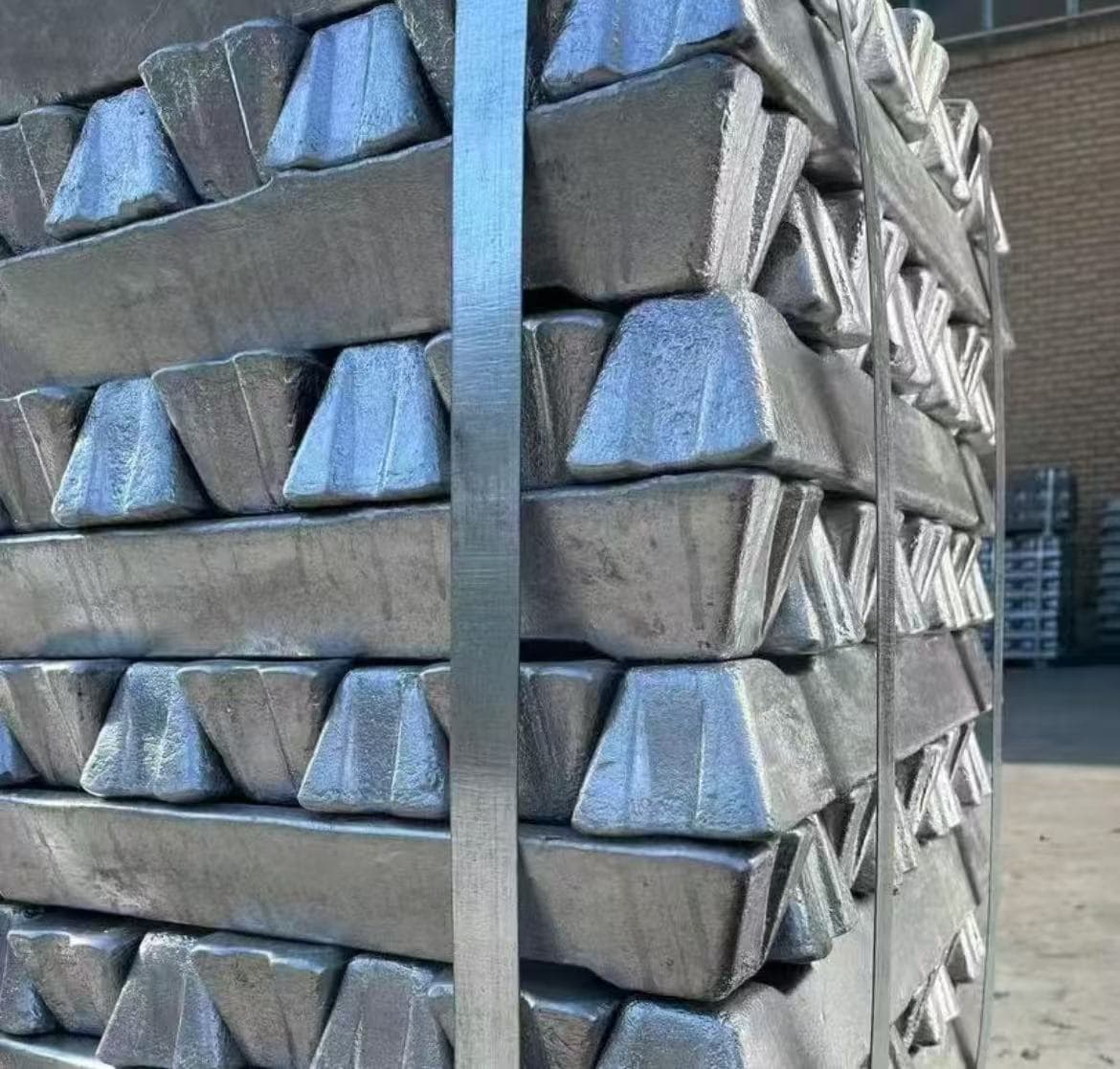
High Purity Aluminum Ingot (A7, A8, A9)
Professional grade aluminum ingots for remelting, produced via molten salt electrolysis. Available in A7 (99.7% min), A8 (99.8% min), and A9 (99.9% min) purity levels. Meets GB/T1196-2002 national standards. The surface of the ingot is clean and smooth.
Get Details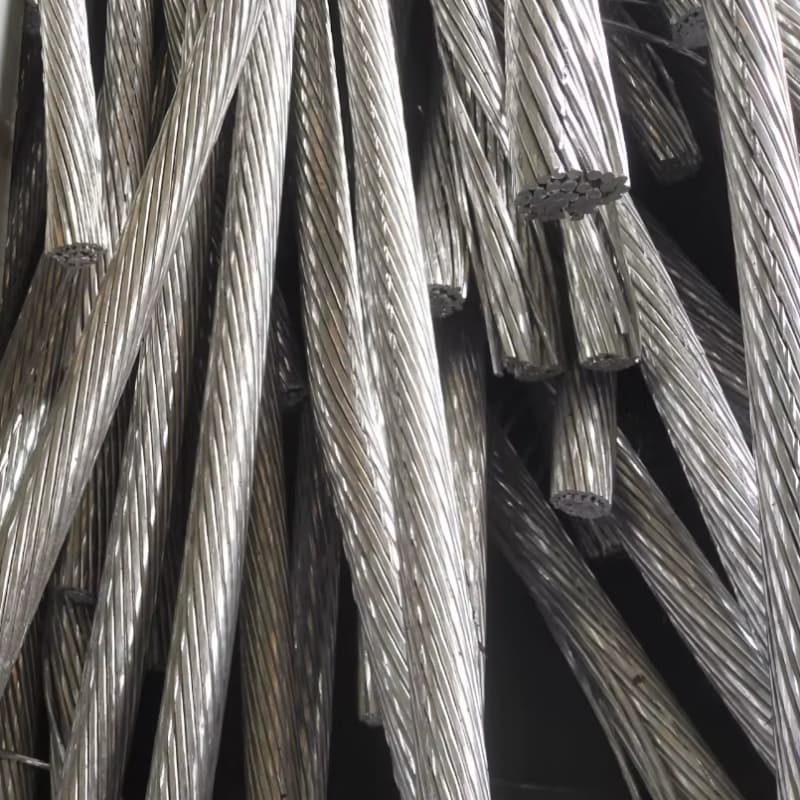
High-Purity Aluminum Wire Scrap (99.7%)
Aluminum wire scrap at 99.7% minimum purity from industrial recovery. High recovery rate for recycling in automotive, electronics, and transportation sectors. Clean, baled, and ready for shipment.
Get DetailsMore Guides
Aluminum
AAC, AAAC or ACSR: What to Write in the Enquiry, Not Which One Is Best
Read the guideCopper
Copper Scrap Grades Explained: Millberry, Bare Bright, No. 1 and No. 2
Read the guideHeavy Metals
Lead and Zinc Ingot Purity Grades, and What the Extra Decimals Change
Read the guideHave a specification to price?
Send us the grade, the tonnage and the destination port. You will get a landed-cost figure rather than a unit price, and you can nominate the inspection agency that releases the lot.