How Metal Purity Is Verified Before a Shipment Leaves
A purity figure on a quotation is a claim. What a buyer actually needs to know is how that claim will be tested, by whom, and what happens if the result differs. All three are answerable before the order is placed — and answering them is what makes the analysis worth anything.
Three methods, three different questions
Purity is checked by more than one method because each answers a different question. A visual and dimensional inspection asks whether the material is what the description says it is. A handheld XRF reading asks which elements are present at the surface. A laboratory wet assay asks what the material is made of, to a stated precision, in a sample taken in a stated way.
The three are not substitutes for one another. XRF is fast and lets a whole lot be screened, but it reads a surface and is affected by coatings, corrosion and the element being measured. A wet assay is slower and more costly, and it is the result most contracts are settled on.
- Visual and dimensional — form, cleanliness, contamination, wire diameter, whether fittings or attachments are still present.
- XRF — rapid elemental screening across many pieces; useful for sorting and for a first indication.
- Wet assay — laboratory determination of the elements in a prepared sample; the result an invoice usually settles on.
What a certificate of analysis actually states
A certificate of analysis is a statement of results, and its value depends entirely on how the sample behind it was taken. A certificate reporting a purity figure without identifying the lot, the sample or the method tells the buyer very little.
A useful certificate identifies the lot, describes the sampling method, names the analysis method and the laboratory, and reports each element the purchase specification limits — not only the headline purity. It also carries a date and an authorising signature or reference.
Where the buyer nominates the inspection, the certificate comes from the buyer's chosen agency, on samples taken in a way both parties agreed in advance. That arrangement removes the most common source of dispute, which is not the analysis itself but the argument over whether the sample represented the lot.
Sampling is where the argument usually starts
A sample that does not represent the lot produces a certificate that is accurate about the wrong thing. For wire scrap, that means sampling across the bales rather than from the top of one. For ingots, it means taking pieces from across the stack and, where the specification is tight, cutting or drilling a section rather than reading a surface.
The sampling procedure should be agreed at the same time as the specification: how many increments, from where, and how they are combined into the sample that goes to the laboratory. Written down, it takes a paragraph. Left to habit, it becomes the point on which a claim turns.
This is why a buyer's right to nominate the inspection agency is worth exercising. It is not that one laboratory is more careful than another; it is that an agency chosen by the buyer, sampling to an agreed procedure, has no interest in describing the material more favourably than it is.
Acceptance limits: what happens when the result misses
A certificate reporting a figure just below the specification raises an immediate commercial question, and the answer should already be in the contract. The usual options are rejection of the lot, acceptance with a price adjustment, or acceptance with replacement of the shortfall.
Whichever is chosen, the threshold at which it applies should be stated as a number. An agreement that requires the material to meet the specification, without saying what happens when it is marginally outside it, produces a negotiation where a decision was needed.
It is also worth stating who decides in the event of a disagreement — whether a second laboratory, an umpire sample, or the original agency's retained sample is decisive. Keeping a sealed sample until the lot is accepted costs almost nothing and settles most disputes before they become claims.
Putting all of it into a quotation request
All of this can be settled at the quotation stage, and it is considerably cheaper there than later. A request that states the grade, the elements being limited, the sampling procedure, the nominated agency and the consequence of a missed limit gives the supplier everything needed to quote — and gives the buyer a shipment that arrives with its analysis already agreed.
Where a supplier works to a formal quality management system, this is routine rather than exceptional. What it is not is optional: the material's value is a function of its analysis, and the analysis is only as dependable as the procedure behind it.
Frequently Asked Questions
Is XRF accurate enough to accept a shipment against?
XRF is accurate for the elements it can measure and is useful for quickly screening many pieces, but it reads a surface. Coatings, corrosion, contamination and attachments can all change the reading. Most contracts settle on a laboratory assay instead, using XRF to screen and sort beforehand.
Who should pay for the inspection?
That is a commercial term rather than a technical one, and it varies with the trade. What matters more than who pays is who nominates: an agency chosen by the buyer, sampling to a procedure both parties agreed, produces a result neither side has an interest in shading. Where a buyer has the right to nominate the agency, it is usually worth using.
What should a certificate of analysis include?
The lot it applies to, the sampling method, the analysis method and the laboratory, a figure for each element the specification limits, and a date with an authorising reference. A certificate giving only a headline purity figure, without identifying the lot or the method, is of limited use for settling an acceptance test.
Products Referred to in This Guide
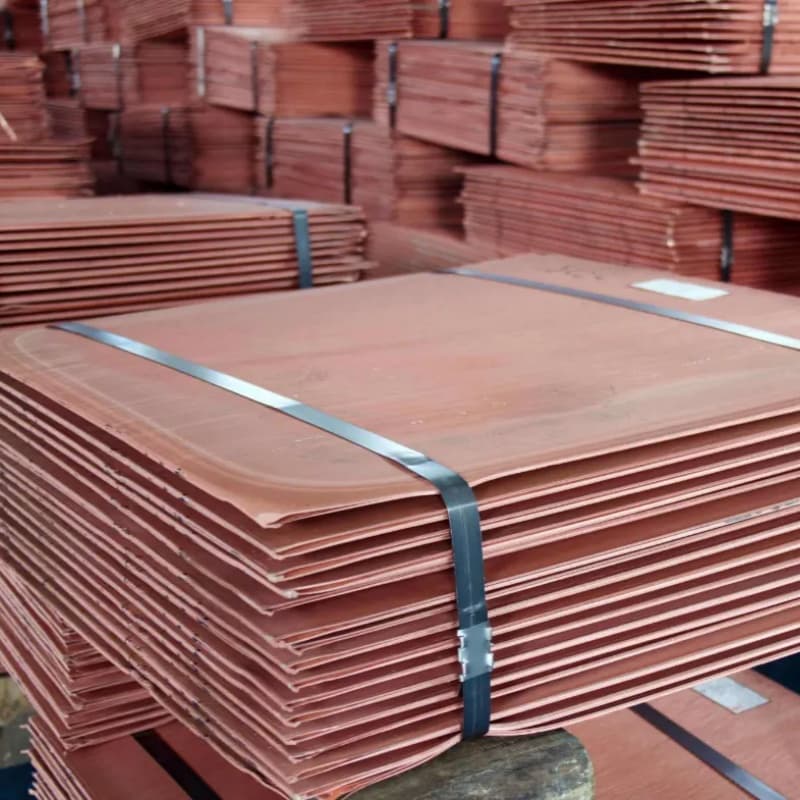
99.99% Electrolytic Copper Cathode
Premium quality electrolytic copper cathode with 99.99% purity. High conductivity cathode sheet used extensively in electrical industries and alloy production.
Get Details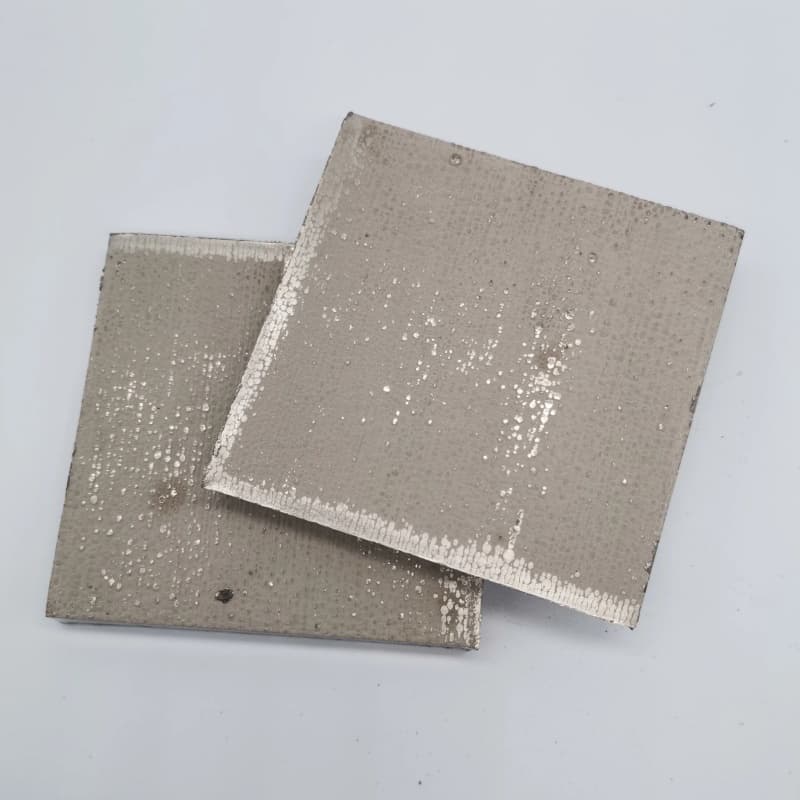
Electrolytic Nickel Cathode (99.9%)
High-purity nickel cathode sheets (99.9% min) for electroplating, battery production, and specialized steel alloys. Consistent quality for precision industrial applications.
Get DetailsMore Guides
Sourcing
Buying Minor Metals: What Changes Once You Move Off Copper and Aluminium
Read the guideCopper
Copper Scrap Grades Explained: Millberry, Bare Bright, No. 1 and No. 2
Read the guideAluminum
Aluminum Ingot Grades Explained: What A7, A8 and A9 Mean
Read the guideHave a specification to price?
Send us the grade, the tonnage and the destination port. You will get a landed-cost figure rather than a unit price, and you can nominate the inspection agency that releases the lot.