How Payment Terms Work in Physical Metal Trade
Nearly every quotation in physical metal trade carries the same two-stage structure: a deposit when the contract is signed, and the balance against a copy of the bill of lading. It is not a habit sellers fell into. It is what a large-value, exchange-priced commodity with thin margins produces when both sides have to protect themselves at once, which makes it worth understanding before you try to negotiate it.
What the deposit is actually covering
A deposit is often read as a measure of trust, as though the seller wanted proof of good faith. In metal trade it works more like cost recovery, because most of the money behind a lot has been spent before the container is loaded.
Follow the sequence. The material is bought or the lot is reserved, and at this end of the market upstream sellers frequently want paying before the metal moves. It is then sorted, graded, cut or remelted into the form the order specifies, packed to survive several weeks at sea, moved inland to the port, declared, inspected where the destination requires it and booked onto a vessel. Every step is paid for before the bill of lading exists, and until that document is issued the goods remain the seller's, at the seller's risk.
The second function is to make the contract binding in a way the contract itself cannot. Metal is priced against a market that moves daily, so between signature and shipment the value of the lot can fall. A buyer who walks away on a falling market leaves the seller holding material bought at a price nobody will now pay. A deposit turns that exposure from a legal argument into an amount already settled, which is why it is asked for even between parties that have traded for years.
Its size follows the same logic rather than being a round number left for negotiation. It is set to cover the cash already committed plus the short-term exposure on the lot, not the value of the goods, which the buyer has not taken delivery of either.
Why the balance sits on a copy of the bill of lading
The bill of lading does three jobs at once: it is the carrier's receipt for the cargo, evidence of the contract of carriage, and the document of title. Whoever holds the original can claim the goods at destination, which is why the title and the money move against each other.
The sequence runs like this. The container is loaded and the carrier issues the bill. A copy or scanned set reaches the buyer, who can then verify that the goods have shipped, on which vessel, under what description and weight, and can work back from the vessel's schedule to an arrival date. The balance is paid at that point, and the seller releases the original set or arranges a telex release so the cargo can be collected.
That timing holds from both sides at once. The buyer pays at the first moment the shipment is verifiable rather than merely promised, and the seller is paid before surrendering the only document that controls the cargo. It is also why the trigger is written against a document rather than a date.
It is worth being precise about what this is not. Payment against a bill of lading copy is not payment on arrival. On arrival the seller would finance the whole voyage, three to six weeks on many routes, and would remain exposed after discharge to a buyer who rejects the cargo once it has landed. That exposure has a price, and a supplier carrying it has to build the price into the metal. The bill of lading point costs weeks of financing rather than months and removes the arrival risk altogether, and both differences show up in the quotation.
Why the structure survives as the standard
Payment terms in any trade settle where the two sides' risks cross. In metals they cross in the same place every time, for three reasons.
First, the amounts are large and the margins thin. Metal trades in fractions over a reference price that everyone can see, so a supplier cannot recover financing costs quietly. Whatever a payment schedule costs in working capital or currency exposure has to appear in the offer, which is why terms and price are best read together.
Second, the goods are interchangeable. A lot of Grade A cathode or A7 ingot can be resold without modification, and that changes the negotiation. A buyer asking to pay after inspection is asking the seller to carry a rejection risk that a buyer of bespoke machinery would reasonably be granted, because machinery made to order cannot be resold. Standard metal can be, just not at the first buyer's convenience or price.
Third, the price is set by a market rather than by the two parties. Because the reference moves between the pricing date and the settlement date, both sides need a settlement point that arrives on a known trigger. A schedule anchored to a document behaves identically in every shipment; one anchored to goodwill does not.
What a buyer should fix before signing
The terms themselves are usually standard. What causes trouble is the detail left unwritten inside them.
- The deposit percentage, and the number of days from signature within which it falls due.
- The exact document that releases the balance, named as a document rather than described as a stage.
- The method of release, original bill of lading or telex release, and the timing of each.
- Whether the weight that governs is the loading port's or the discharge port's figure, and who weighs it.
- The inspection body, the scope being witnessed and who pays for it, all settled before shipment rather than after.
- A written treatment of short or non-conforming delivery, which is a dispute clause rather than a reason to withhold payment.
Where there is room to negotiate
The structure is standard; the details inside it are not fixed. On a first order between parties with no history, both sides are pricing uncertainty, and that is where terms are most open to discussion: the deposit percentage, the trigger document, the weight basis, the scope of inspection and how quickly documents are to be presented.
The settlement arrangement itself is agreed case by case, and it is worth raising at enquiry stage rather than after the quotation is on the table, because a supplier can price a payment structure and cannot price one it only hears about once the metal is committed. Quotations in this trade are normally written as 30% on signature and 70% against a copy of the bill of lading, with the specifics confirmed in writing with each order.
Frequently Asked Questions
Why do suppliers ask for a deposit instead of shipping first?
Because most of the cost of a lot has been paid before it leaves the yard: the material is bought or reserved, processed, packed, moved to port and booked, all against a market that moves daily. The deposit covers that committed cash and the risk of a buyer walking away on a falling price, which is a real exposure on a commodity repriced every day.
Is paying against a copy of the bill of lading safe for the buyer?
It is defensible on both sides. The bill is issued only once the cargo is loaded, so the copy proves the shipment exists under a stated description and weight, on a named vessel, with a schedule you can work to. What it does not replace is an independent inspection or weight certificate, so a buyer who needs those should nominate the inspection body and write the scope into the contract before shipment.
Do the terms change for a first order or a large volume?
The structure usually stays the same while the details around it stay open, and a first order is where they are most open because both sides are assessing the other's reliability. The items worth discussing are the deposit percentage, the trigger document, the weight basis and the inspection scope. Raise them at enquiry stage and they can be built into the quotation.
Products Referred to in This Guide
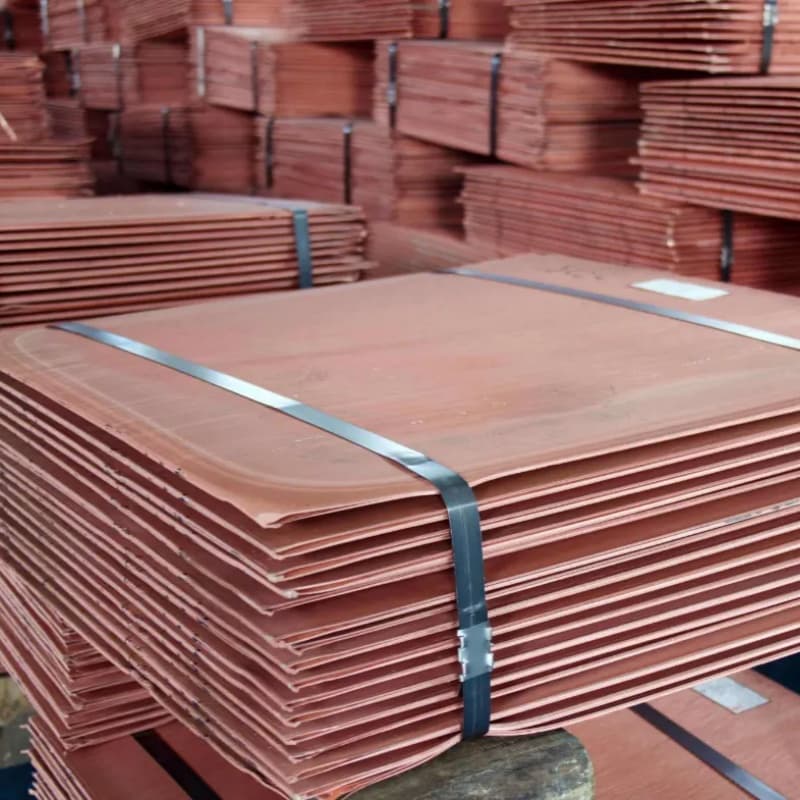
99.99% Electrolytic Copper Cathode
Premium quality electrolytic copper cathode with 99.99% purity. High conductivity cathode sheet used extensively in electrical industries and alloy production.
Get Details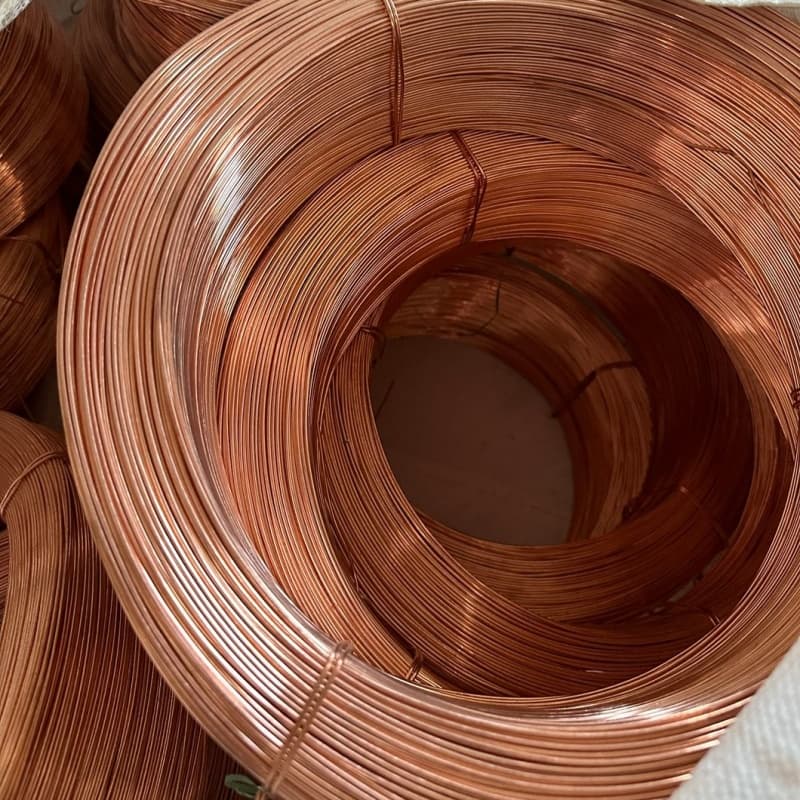
Pure 99.99% Copper Rod & Bar
High-conductivity pure copper rod for power transmission and electrical grounding. Bright surface finish with low oxygen content.
Get Details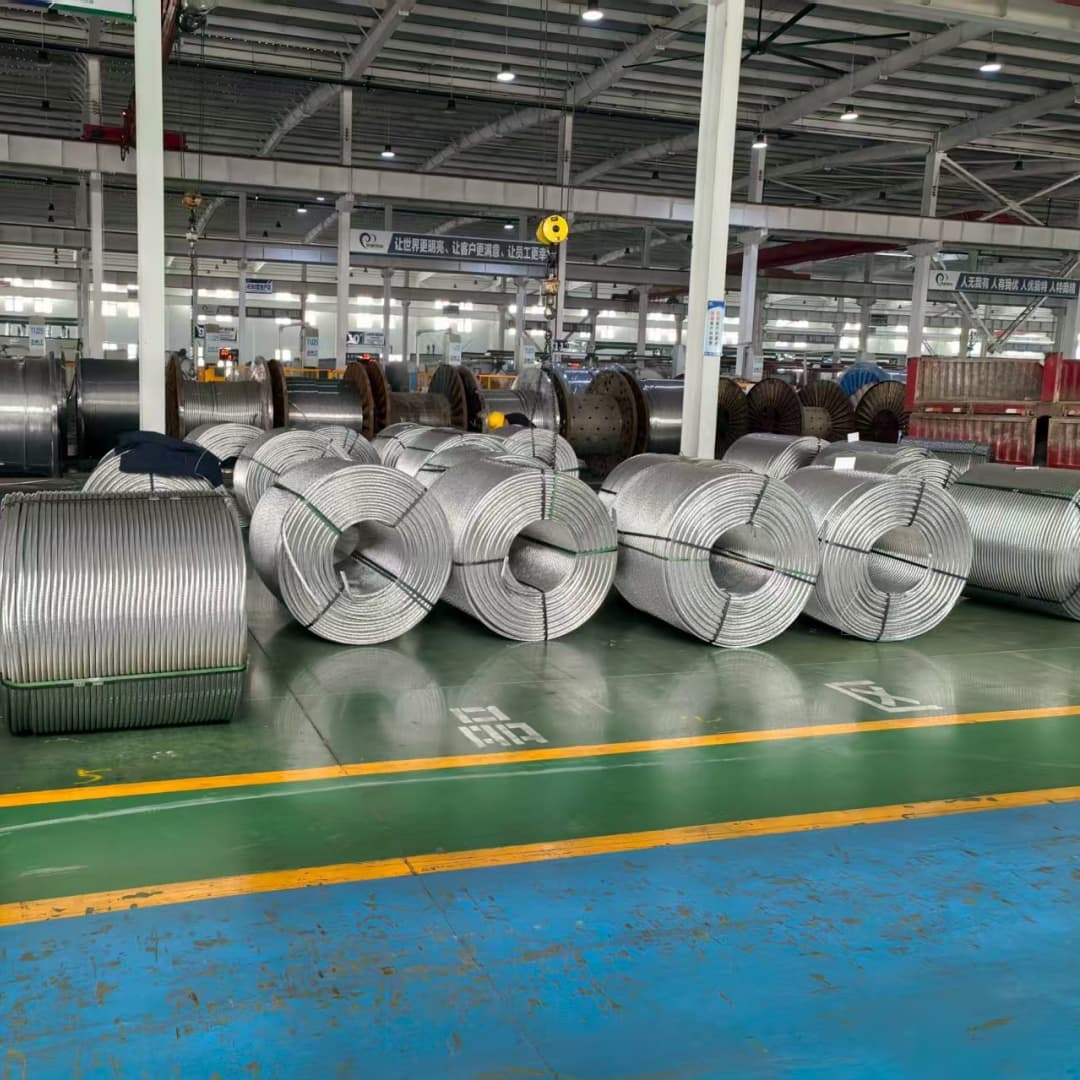
Aluminum Stranded Wire (AAC / ACSR)
Bare aluminum stranded conductor for overhead transmission: AAC in 1070A pure aluminum (99.7% min) and ACSR with steel core for longer spans. 10-630 mm2, to GB/T 1179 and IEC 60228, supplied on seaworthy reels.
Get DetailsMore Guides
Copper
Copper Scrap Grades Explained: Millberry, Bare Bright, No. 1 and No. 2
Read the guideSourcing
How Non-Ferrous Metal Prices Are Set: LME, Premiums and Discounts
Read the guideLogistics
How Many Tonnes of Metal Fit in a 20ft Container, and Where the Difference Goes
Read the guideHave a specification to price?
Send us the grade, the tonnage and the destination port. You will get a landed-cost figure rather than a unit price, and you can nominate the inspection agency that releases the lot.