Lead and Zinc Ingot Purity Grades, and What the Extra Decimals Change
Refined lead is traded from about 99.97% upward, with 99.99% and 99.994% as the higher grades, while zinc is commonly supplied at 99.995% and called SHG. The differences look like rounding. In corrosion resistance, alloying and acceptance testing they are not.
Why lead grades cluster just below 100%
Refined lead is sold by purity within a very narrow band — commonly 99.97%, 99.985%, 99.99% and 99.994%. What remains is bismuth, copper, antimony, arsenic, tin and silver in small quantities, and each of those has an effect that varies with the end use.
Bismuth is the impurity most often watched, because it is difficult to remove and it degrades the behaviour of lead in several applications. A grade described as 99.994% is not three thousandths better than 99.97% in some general sense; it is a metal with a materially smaller bismuth allowance.
That is why lead is not bought on the headline percentage alone. Two lots both described as 99.99% can differ in their individual impurity levels, and where the metal is going into battery manufacture, radiation shielding or a chemical process, it is the individual limits that decide acceptance.
Zinc SHG and the meaning of 99.995%
Zinc of 99.995% purity is conventionally called SHG — Special High Grade. It is the standard grade for galvanising, for die casting alloys and for the production of zinc oxide and other zinc chemicals.
As with lead, the useful information lies in what the remaining 0.005% consists of, chiefly lead, cadmium, iron and copper. Cadmium is regulated in many markets, both in the metal and in products made from it, so a buyer purchasing zinc for a regulated application will be checking cadmium specifically rather than relying on the overall figure.
Zinc is also supplied below SHG, commonly around 99.95% and 99.5%, for uses where the tighter limits are not required. The price difference between SHG and a lower grade is usually larger, in proportion, than the difference in analysis, because galvanising quality is sensitive to exactly those impurities.
What the extra purity costs, and what it buys
The premium for high-purity lead and for SHG zinc is real, and it is easiest to justify where the impurity does measurable harm: reduced corrosion resistance, poor coating adhesion in galvanising, contamination of an alloy, or failure of a downstream product test.
Where it usually does not pay is in applications that are themselves re-melted into a tolerant alloy. There, a lower grade with a documented analysis will perform identically, and paying for the last decimals buys nothing measurable.
The judgement is therefore not which grade is better, but which impurity, at which limit, matters in this process. That question is answerable from a specification — and it is worth answering before the quotation is requested rather than after the lot has landed.
Specify by analysis, not by grade name
Grade names such as SHG are convenient shorthand, but they are not definitions of impurity limits. A purchase specification that states the grade and stops there leaves the impurities to the supplier's discretion.
A better specification sets the minimum purity and then the maximum limits for the elements the process is sensitive to — bismuth for lead, cadmium and iron for zinc — and requires those figures to be reported on the certificate of analysis for each lot.
This costs nothing to write and removes nearly all of the argument at the receiving end, because it turns a discussion about names into a comparison of numbers.
Frequently Asked Questions
What does SHG mean for zinc ingot?
SHG stands for Special High Grade and refers to zinc of 99.995% purity. It is the grade normally specified for galvanising and for die casting alloys. Zinc is also sold at lower purities, commonly around 99.95% and 99.5%, for uses where the tighter impurity limits of SHG are not required.
What is the difference between 99.99% and 99.994% lead?
The headline difference is small, but the figure is shorthand for the impurity allowance — chiefly bismuth. A higher grade carries a lower permitted bismuth level, which matters where bismuth degrades performance. The individual limits on the certificate of analysis, rather than the overall percentage, are what confirm suitability for a given process.
Can lead or zinc ingot be bought against a buyer's own specification?
Yes — that is the normal way the material is bought. State the grade plus the maximum limits for the elements your process is sensitive to, and require a certificate of analysis reporting those elements for each lot. The specification then governs the acceptance test rather than the grade name.
Products Referred to in This Guide
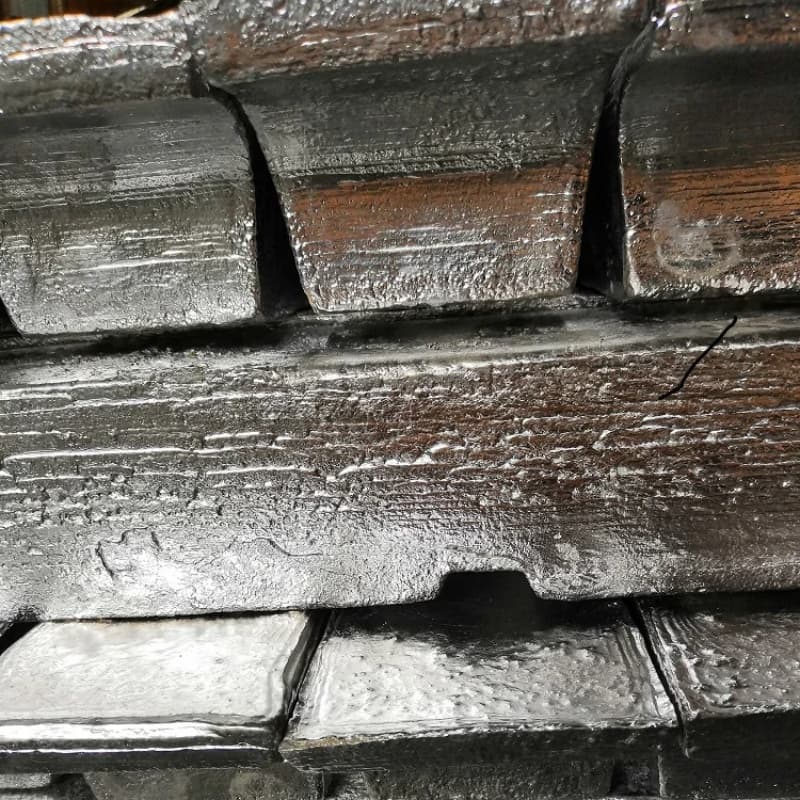
High-Purity 99.994% Lead Ingot
Standard high-purity lead ingot for battery production, radiation shielding, and industrial alloys. High density and reliable quality with competitive pricing.
Get Details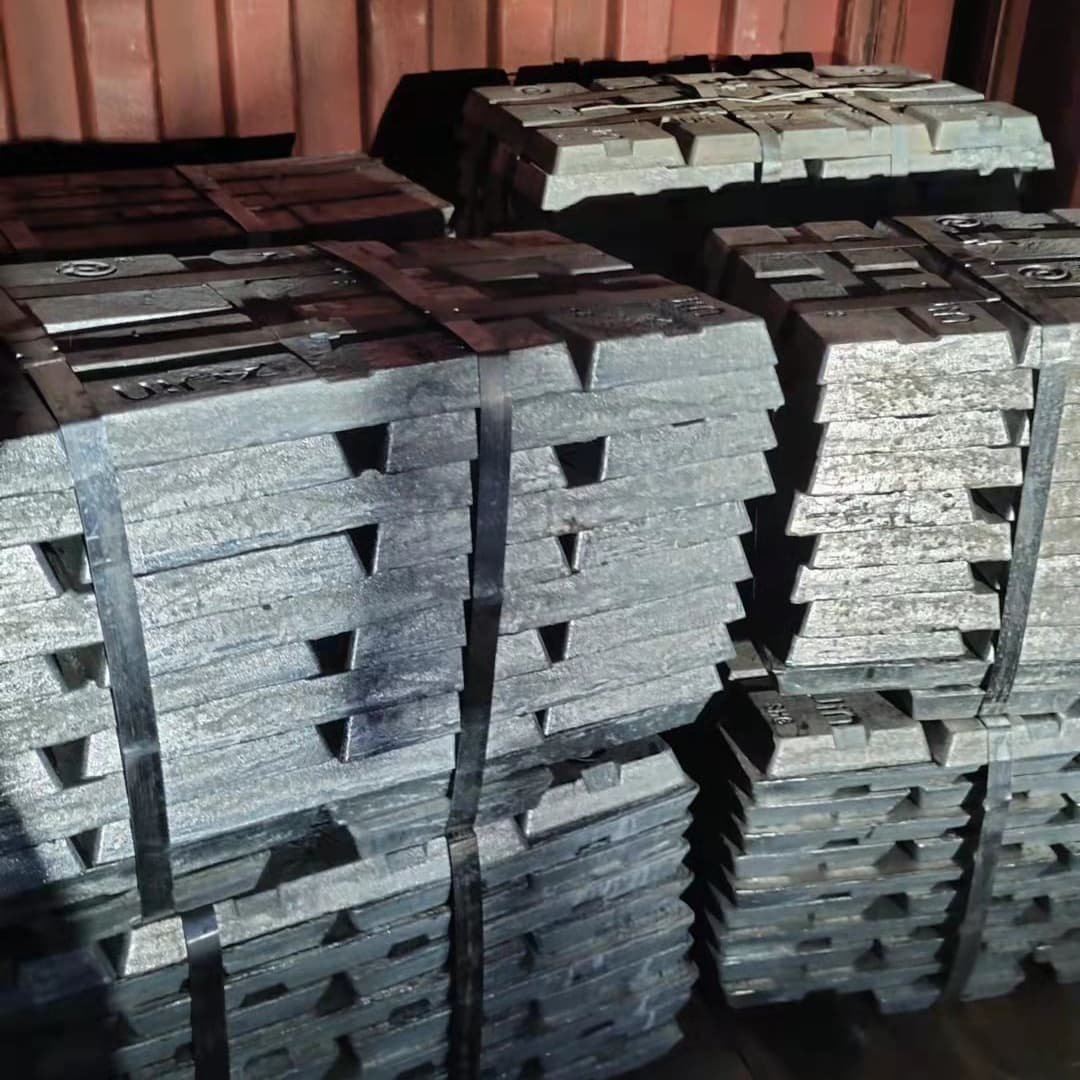
99.995% Pure Zinc Ingot (SHG)
Special High Grade (SHG) zinc ingots for galvanizing, die-casting, and chemical industries. Reliable industrial supply with high purity and consistent quality.
Get DetailsMore Guides
Copper
Copper Scrap Grades Explained: Millberry, Bare Bright, No. 1 and No. 2
Read the guideAluminum
Aluminum Ingot Grades Explained: What A7, A8 and A9 Mean
Read the guideQuality
How Metal Purity Is Verified Before a Shipment Leaves
Read the guideHave a specification to price?
Send us the grade, the tonnage and the destination port. You will get a landed-cost figure rather than a unit price, and you can nominate the inspection agency that releases the lot.